
Wheelstand Competition: A Thrilling Motorsport on the Rise
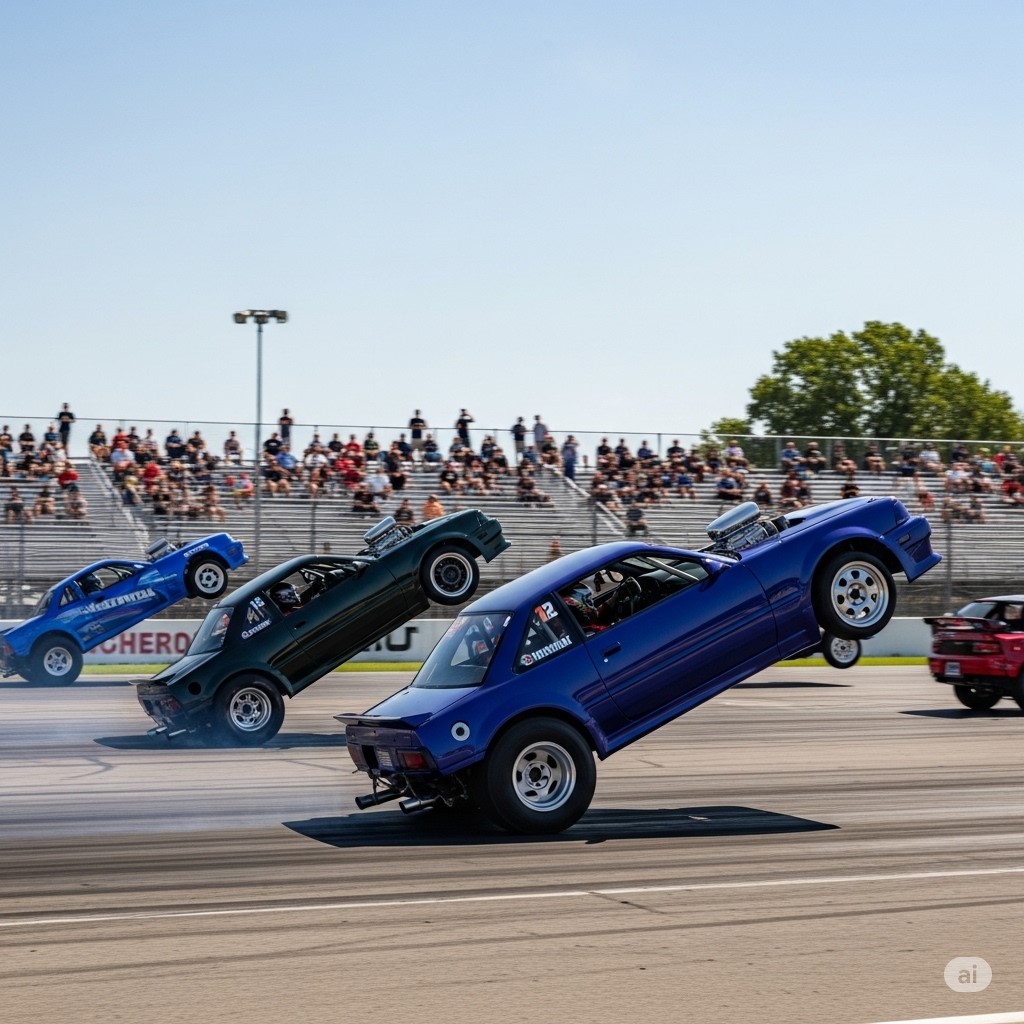
The sport of Wheelstand Competition has captivated gearheads and adrenaline junkies around the world. It blends raw power, precision driving, and competitive spirit. Wheelstand Competition is more than just a spectacle; it’s a growing motorsport with deep roots and passionate followers. The term “Wheelstand Competition” refers to events where drivers lift the front wheels of their vehicles and maintain that posture over distance. Unlike other forms of drag racing, the focus is on technique, control, and showmanship. This exciting sport continues to evolve and gain international recognition.
Origins and Early History of Wheelstand Competition
The beginnings of Wheelstand Competition trace back to American drag strips in the mid-20th century. Hot rod culture was booming, and racers constantly sought ways to stand out. During exhibition runs, some drivers intentionally lifted the front wheels of their vehicles. Spectators were thrilled by this stunt. It quickly became a hallmark of showmanship.
In the 1960s and 1970s, professional drag racers began to modify their cars to enhance wheelstand performance. These were not just for fun; they aimed to impress crowds and gain media attention. Soon, these stunts were no longer just sideshows. Dedicated events emerged, celebrating the most skilled drivers who could balance power and control. The first known Wheelstand Competition was held in the United States in the early 1970s.
Initially, the sport remained underground. It was confined to small events, car shows, and street racing scenes. However, the popularity surged with the emergence of televised motorsport events. Wheelstand moments were often crowd favorites, which led to increased interest in formalizing the sport.
Global Popularity and Expansion
Wheelstand Competition gained traction in the United States before expanding globally. As automotive culture flourished worldwide, international car enthusiasts embraced this exciting sport. Australia, known for its vibrant V8 car scene, adopted the Wheelstand Competition with enthusiasm. Events like Summernats and Powercruise featured wheelstand contests, drawing thousands of spectators.
In Europe, countries like Sweden and Germany incorporated wheelstand events into drag racing circuits. Fans admired the technical skill and showy nature of the sport. The United Kingdom, with its longstanding love for motorsport, saw grassroots wheelstand events pop up in regional circuits.
Asian countries began to pick up the sport more recently. Japan, already known for drifting and unique car modifications, added Wheelstand Competition to its list of motorsport hobbies. Similarly, South American countries like Brazil and Argentina saw localized versions of the sport gain popularity.
In South Africa, the fusion of car culture and youth entertainment fostered the development of wheelstand contests. These events promoted both automotive engineering and local talent. Today, Wheelstand Competition events are held on nearly every continent, making it a truly global phenomenon.
Amateur and Youth Involvement in Wheelstand Competition
Amateur Wheelstand Competition has become a gateway for many aspiring racers. Local car clubs often host grassroots events where hobbyists can showcase their skills. These events typically occur at regional tracks, fairgrounds, or motor festivals.
Youth involvement is growing rapidly. Educational institutions with automotive programs encourage students to participate in safe and structured competitions. High schools and vocational schools across the United States and Australia have launched automotive engineering clubs. These groups build and test wheelstand-capable cars under supervision.
In many regions, junior leagues offer entry points for young drivers. These leagues use scaled-down vehicles and lower horsepower setups. They focus on teaching safety, control, and mechanics. Parents and mentors often play active roles in these programs, fostering a community-centered approach.
Social media has also influenced amateur participation. Platforms like YouTube and Instagram showcase impressive wheelstand runs. Aspiring drivers study techniques and modify their builds accordingly. Online communities exchange tips, host virtual events, and promote real-life meetups.
Professional Leagues and Global Organizations
Several professional leagues govern and promote Wheelstand Competition. In the United States, the Outlaw Wheelstand Association (OWA) leads the charge. It organizes national events and maintains strict safety and performance standards. Their flagship event, the Wheelstand World Championship, draws elite drivers from across the country.
Australia has its own governing body through the Australian Wheelstand League (AWL). This league partners with automotive expos and racing events to feature top-level contests. The AWL ranks drivers based on distance, height, and showmanship.
Europe has seen the rise of the European Wheelstand Circuit (EWC). It hosts seasonal tournaments across multiple countries. Drivers accumulate points in a league-style format, with finals held in major motorsport venues.
Japan and South Korea recently formed the Asia Wheelstand Federation (AWF). This body standardizes rules across the region and promotes cross-border competition. They have collaborated with drifting associations to combine events and boost attendance.
These professional organizations play critical roles. They ensure safety, regulate performance metrics, and attract sponsorships. In doing so, they help legitimize the sport on an international level.
Social and Political Significance of Wheelstand Competition
Wheelstand Competition is more than just entertainment. It holds social and political significance in various contexts. In many communities, the sport serves as a constructive outlet for youth. Rather than participating in illegal street racing, young people engage in organized, safe environments.
City governments and law enforcement agencies have begun to support regulated wheelstand events. These partnerships reduce street crime and build positive relationships between enthusiasts and authorities. Community centers often co-host events to raise awareness about road safety.
Politically, the sport intersects with debates on automotive regulation. Modified vehicles often face scrutiny. Wheelstand advocates argue for reasonable legislation that allows creativity while maintaining safety. In some countries, this dialogue has led to revised vehicle codes and motorsport-friendly laws.
Socially, the sport fosters inclusivity. Participants come from diverse backgrounds. Many drivers are self-taught mechanics, students, or hobbyists. The garage culture surrounding the sport creates strong bonds between members. Clubs frequently engage in charitable activities, such as toy drives or fundraiser races.
Wheelstand Competition also empowers underrepresented groups. Female drivers and LGBTQ+ participants find supportive communities within the sport. Some leagues have introduced diversity and inclusion initiatives, ensuring equal opportunities for all.
Rules and Judging Criteria of Wheelstand Competition
Wheelstand Competition follows strict rules to ensure fairness and safety. Vehicles must pass technical inspections before each event. These checks cover roll cages, harnesses, fuel systems, and tire conditions.
During a run, the goal is to lift the front wheels and maintain that stance for as long as possible. Drivers must travel in a straight line without drifting. Steering input should remain minimal. Distance and height determine primary scoring.
Judges also assess style and control. Smooth landings and balanced lifts earn higher points. Excessive bouncing or veering results in deductions. Crowd reaction may be considered in tiebreaker situations.
There are separate classes based on engine power and vehicle type. Some events include a “Freestyle” segment. In this round, drivers perform creative runs with added flair.
Infractions lead to penalties. Common violations include tire overinflation, unapproved modifications, or crossing track boundaries. Safety violations result in immediate disqualification.
Electronic sensors and high-speed cameras verify run metrics. This ensures transparency and consistency in judging. Results are typically announced after video review and score confirmation.
Drivers train extensively to master timing and throttle control. Over-accelerating can cause the vehicle to flip. Under-powering results in low lifts. Striking the right balance is key.
Conclusion: The Road Ahead for Wheelstand Competition
Wheelstand Competition stands at an exciting crossroads. The sport continues to grow in popularity across cultures and age groups. Its blend of technical skill, visual excitement, and community spirit makes it truly unique.
As more countries embrace the sport, opportunities for professionalization and sponsorship increase. With the rise of amateur leagues and youth programs, a new generation of drivers is emerging.
Regulatory support and social initiatives add further value. Wheelstand Competition is becoming not just a thrilling motorsport, but a powerful social tool.
The sport’s colorful history and dynamic present point toward a bright future. Whether you are a seasoned driver or a curious newcomer, Wheelstand Competition offers something for everyone.
Now is the perfect time to get involved, support the community, and witness the exhilarating spectacle of cars on two wheels. There’s no doubt—the world of Wheelstand Competition is just getting started.