
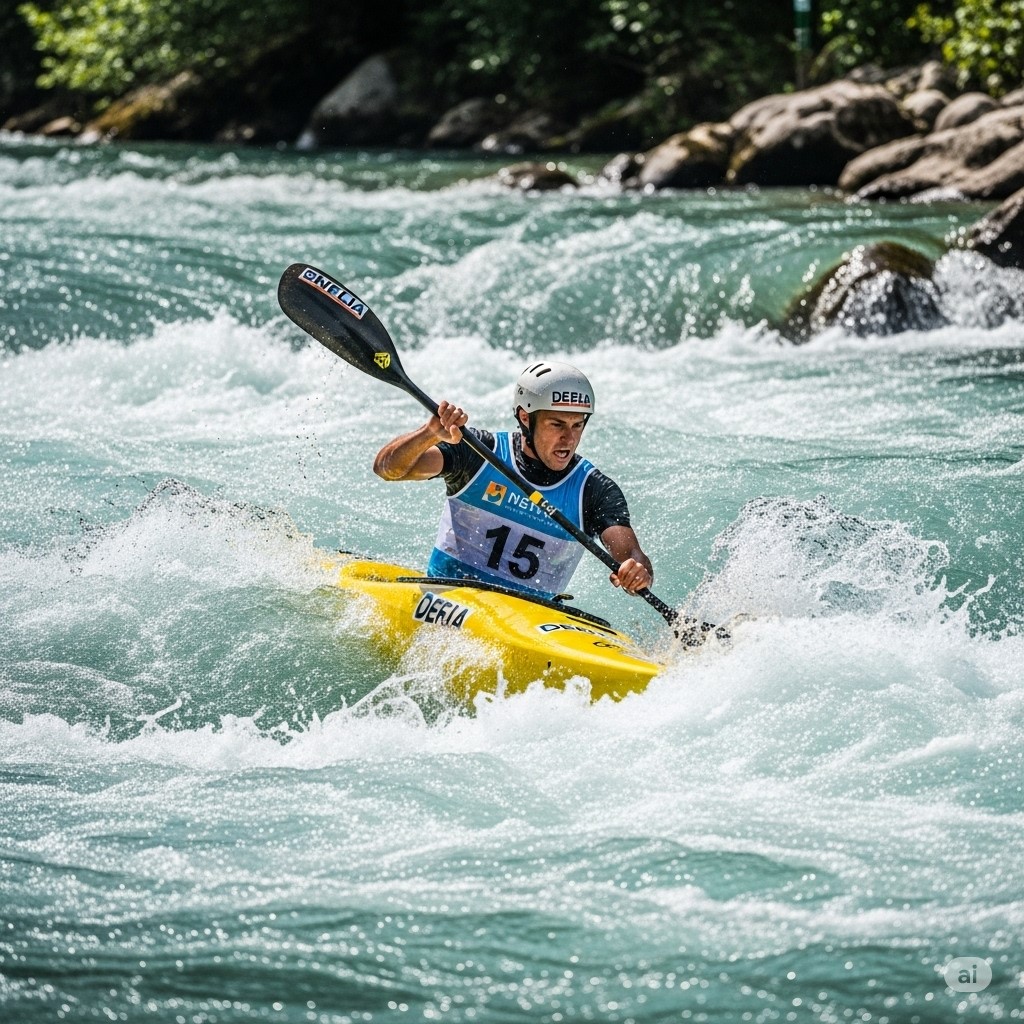
Whitewater Kayaking: A Thrilling Global Adventure
Whitewater Kayaking is an extreme water sport that has captivated adrenaline seekers around the world. It combines adventure, precision, and a deep connection to nature. This high-octane activity involves navigating a kayak through river rapids of varying difficulty levels. Over the years, it has evolved from a survival skill to a structured sport with rules, leagues, and a passionate global community. In this post, we will explore the origin, growth, and significance of this fascinating sport.
The Origin and History of Whitewater Kayaking
Whitewater Kayaking traces its roots to the Arctic regions, particularly Greenland. The Inuit people crafted early kayaks from driftwood and seal skins. These boats served essential roles in hunting and travel across icy waters. Kayaks were designed to be sleek and silent, perfect for sneaking up on prey.
During the 19th century, European explorers began to use kayaks for sport and exploration. Germany and France saw the first recreational kayakers paddle down alpine rivers. In 1860, John MacGregor designed a modern kayak called the “Rob Roy,” which ignited interest across Europe. He paddled over 1,000 miles across rivers and lakes, sparking global curiosity.
By the 1930s, kayaking had become a recognized sport. The first whitewater slalom events took place in Switzerland. Competitive kayaking gained further traction post-World War II. The International Canoe Federation (ICF) standardized the rules, giving the sport a formal structure. In 1972, it debuted in the Summer Olympics, increasing its visibility worldwide.
Global Popularity and Geographic Reach
Whitewater Kayaking is now a global phenomenon. Enthusiasts flock to rivers in North America, Europe, South America, Africa, Asia, and Oceania. The sport thrives in areas with abundant natural rivers and varied topography.
In the United States, Colorado, Idaho, and North Carolina are popular whitewater destinations. Canada’s Ottawa River draws kayakers from around the globe. In Europe, the Alps in France, Italy, and Austria offer challenging rapids. Norway’s dramatic fjords and rivers also attract elite paddlers.
South America boasts the Futaleufú River in Chile, known for its turquoise water and powerful rapids. Africa’s Zambezi River below Victoria Falls is both beautiful and treacherous. New Zealand’s Kaituna River and Australia’s Snowy River provide year-round kayaking opportunities.
Asia has emerging whitewater hubs in India and Nepal. Rivers like the Ganges and Bhote Koshi offer intense rapids and breathtaking scenery. This global spread reflects the sport’s adaptability and universal appeal.
Amateur Whitewater Kayaking and Youth Involvement
Amateur kayaking serves as the sport’s foundation. Most paddlers begin recreationally, learning basic techniques and safety protocols. Local clubs and camps offer introductory courses. These programs foster skill development and community spirit.
In schools, whitewater programs are becoming more common. Many institutions partner with local riversport centers to introduce students to kayaking. Youth-focused organizations like the American Canoe Association run outreach events. These initiatives help young people engage with nature while building confidence and discipline.
Some countries include kayaking in physical education curricula. For instance, New Zealand and Germany integrate water sports into school programs. These early exposures create lifelong athletes and advocates for river conservation.
Kayaking festivals often host amateur competitions. Events like the GoPro Mountain Games in Colorado and the Sickline Extreme Kayak World Championship in Austria welcome paddlers of all levels. Such events offer amateurs a taste of competitive kayaking in a supportive environment.
Professional Leagues and Competitions
Professional Whitewater Kayaking features structured competitions worldwide. The ICF oversees global rules and hosts major events like the World Championships. Athletes compete in slalom, freestyle, and downriver disciplines.
Slalom kayaking involves navigating a whitewater course marked by gates. Precision and speed are key. Freestyle kayaking focuses on tricks and maneuvers performed on stationary river features. Judges score based on difficulty and execution.
The Extreme Kayak World Championship, part of the Adidas Sickline Series, gathers elite paddlers annually. It challenges athletes on one of the world’s steepest whitewater courses. Another prestigious event is the Green Race in North Carolina. Known as the “unofficial world championship of extreme kayaking,” it tests speed and endurance.
The North Fork Championship in Idaho attracts top U.S. and international talent. Events like the Whitewater Grand Prix in Canada combine racing and freestyle, highlighting athletes’ all-around skills. These competitions elevate the sport’s profile and provide career paths for top performers.
Political and Social Significance
Whitewater Kayaking impacts more than just sport; it carries political and social significance. Environmental activism is a central theme. Kayakers often become stewards of rivers and natural habitats.
Organizations like American Whitewater and Rivers for Change advocate for river conservation. They work to protect waterways from pollution, damming, and commercial exploitation. Many kayakers participate in river cleanups and conservation projects.
The sport also promotes inclusion and community. Adaptive kayaking programs help individuals with disabilities access the river. Initiatives like “Diversify Whitewater” aim to make the sport more accessible to underrepresented groups.
In regions with limited recreational infrastructure, kayaking can drive tourism and local development. For example, river tourism in Uganda and Nepal creates jobs and encourages ecological stewardship. This blend of sport, activism, and economics highlights kayaking’s broader impact.
Whitewater events sometimes influence policy. High-profile competitions draw attention to river health and conservation. Government bodies often support river development and protection as a result. This political attention helps preserve waterways for future generations.
Rules and Techniques of Whitewater Kayaking
Whitewater Kayaking follows structured rules, especially in competition. Safety remains the top priority. All paddlers must wear helmets, buoyancy aids, and spray skirts. Kayaks must meet design specifications for length and buoyancy.
Courses are classified by difficulty. The International Scale of River Difficulty rates rapids from Class I (easy) to Class VI (extreme). Paddlers must assess their skills before attempting higher classes. Navigation skills, rolling, and bracing are essential techniques.
In slalom events, paddlers maneuver through gates. Missing a gate or touching a pole results in time penalties. The fastest time with the fewest penalties wins. Judges monitor closely to ensure fairness.
Freestyle events score based on moves like spins, flips, and cartwheels. Athletes must demonstrate control and creativity within a fixed time. Downriver races prioritize speed over obstacles, with the fastest time winning.
Rescue skills are also crucial. Kayakers train in swiftwater rescue techniques. Knowing how to assist a capsized paddler can save lives. Group paddling etiquette includes spacing, communication, and safety checks.
Conclusion: The Enduring Spirit of Whitewater Kayaking
Whitewater Kayaking continues to grow as a global sport and lifestyle. It blends athleticism, environmentalism, and camaraderie. Whether you are a beginner or a pro, the river offers endless challenges and rewards. Communities worldwide have embraced the sport for its thrill and transformative power. From school programs to world championships, it shapes lives and protects nature.
The sport’s significance extends beyond the water. It builds character, fosters unity, and champions sustainability. Whitewater Kayaking is more than recreation; it is a movement. As interest grows, so does the responsibility to protect our rivers. Get involved, stay safe, and ride the current of this incredible sport.