
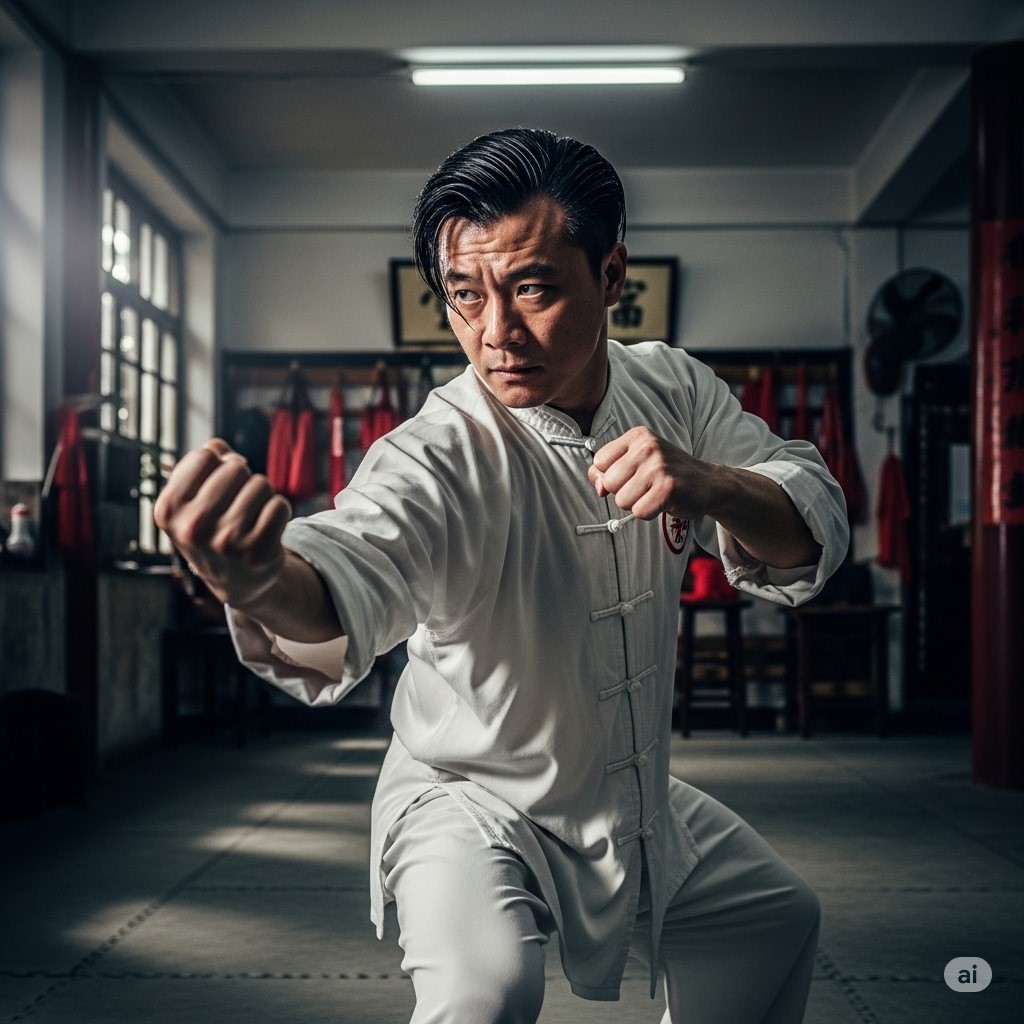
The Art and Impact of Wing Chun: A Deep Dive Into Its History, Practice, and Global Reach
Wing Chun is a traditional Chinese martial art known for its close-range combat and efficiency. Originating in southern China, it emphasizes speed, structure, and economy of motion. Practitioners admire it for its practical self-defense techniques and internal philosophy. Today, the sport of Wing Chun continues to attract a global following. It thrives in amateur competitions, professional leagues, schools, and cultural institutions worldwide. With a deep history and wide influence, Wing Chun stands as a significant force both socially and politically.
Origins and History of Wing Chun
The roots trace back to the Qing Dynasty in China. A legendary Buddhist nun named Ng Mui, one of the Five Elders who survived the destruction of the Shaolin Temple, is credited with creating it. She observed a fight between a snake and a crane, which inspired her to develop a new system of martial arts. Her student, Yim Wing Chun, was the first to learn and practice this method. The art was later named after her.
Over generations, the style was passed on through secretive lineages. During the 19th and 20th centuries, Wing Chun found its way to Hong Kong. There, it flourished due to the efforts of Grandmaster Ip Man. He taught many students, including the iconic Bruce Lee. Bruce Lee’s fame helped introduce Wing Chun to the world. As a result, this martial art gained international recognition.
Over time, the practice evolved while still preserving its traditional values. Forms like Siu Nim Tao, Chum Kiu, and Biu Jee became core components. Wooden dummy techniques and Chi Sao (sticky hands) training also became hallmarks. Each form teaches balance, coordination, and focus, essential for mastering the discipline.
Global Popularity and Geographic Spread of Wing Chun
It has grown far beyond its Chinese origins. Today, schools and training centers exist across North America, Europe, South America, Asia, and Africa. Practitioners can be found in urban gyms, suburban dojos, and even rural community centers.
In the United States, the sport gained popularity in the 1970s. Martial arts movies, especially those featuring Bruce Lee, sparked interest. Today, cities like New York, Los Angeles, and Chicago host multiple Wing Chun academies. In Europe, countries such as Germany, the United Kingdom, and Italy have thriving Wing Chun communities.
Australia and New Zealand have also embraced the discipline. Latin America sees rising interest, particularly in Brazil and Argentina. In Africa, South Africa leads in organized training and competitions. The Asian stronghold remains in China and Hong Kong, but Southeast Asian countries like Malaysia and the Philippines also contribute significantly.
Cultural exchange programs and global martial arts festivals have further propelled its popularity. Many international seminars bring masters and students together. This ongoing exchange nurtures the art’s continuous evolution.
Amateur Wing Chun: Youth and School Participation
Amateur Wing Chun has become a foundational element in youth martial arts programs. Many schools integrate it into physical education or after-school activities. Children as young as five begin learning basic stances and hand techniques. These early lessons develop coordination and discipline.
Youth tournaments offer platforms for students to showcase skills. Events often include forms demonstrations and controlled sparring matches. These competitions teach sportsmanship, focus, and resilience. Training also emphasizes moral values like respect and humility.
Community centers and nonprofit organizations promote youth Wing Chun programs. These initiatives often target underprivileged areas. By engaging in martial arts, children gain self-confidence and purpose. Programs have shown positive effects on behavior and academic performance.
Universities and colleges offer Wing Chun clubs as extracurricular activities. These groups compete in intercollegiate martial arts competitions. Students benefit from mentorship, camaraderie, and structured physical training. Amateur events help bridge the gap between casual interest and professional aspirations.
Professional Leagues and Global Organizations
Professional Wing Chun has gained traction through organized leagues and federations. The World Wing Chun Union (WWCU) leads many efforts to standardize and promote the sport. Based in Hong Kong, the WWCU hosts international competitions and grading systems.
The International Wing Chun Organization (IWCO) connects schools across continents. It provides standardized curriculums and instructor certifications. Tournaments hosted by the IWCO attract competitors from dozens of countries.
Another major entity is the Global Traditional Wing Chun Association (GTWCA). This group emphasizes traditional values while encouraging modern applications. Its professional circuits include forms competitions, Chi Sao contests, and sparring bouts.
Televised events and live-streamed matches increase public visibility. Fighters train year-round, focusing on strength, precision, and endurance. Prize money and sponsorship deals continue to grow, providing career opportunities for elite practitioners.
In China, government-supported leagues help develop national champions. These athletes often compete in international exhibitions and cultural showcases. Professional leagues elevate Wing Chun from a traditional art to a recognized sport.
Social and Political Significance
Wing Chun holds deep cultural significance. It symbolizes resistance, discipline, and personal empowerment. In China, it connects modern society to ancient traditions. The practice reinforces national pride and heritage.
Socially, Wing Chun fosters inclusivity. People of all ages, genders, and backgrounds participate. Schools often promote values of equality and mutual respect. Martial arts communities become support networks that extend beyond training halls.
Politically, Wing Chun has played symbolic roles. During periods of colonization, practitioners preserved cultural identity through martial arts. In Hong Kong, it became a symbol of resistance and resilience. Today, it continues to represent personal freedom and moral strength.
Furthermore, martial arts diplomacy uses Wing Chun to build cross-cultural bridges. Delegations from different countries visit each other’s schools. These exchanges promote understanding and peace. Governments recognize the soft power of martial arts in international relations.
Humanitarian initiatives have also embraced the sport. Programs in war-torn or impoverished regions teach Wing Chun for empowerment. Survivors of violence often find healing through disciplined practice.
Rules and Structure of the Sport
Though originally a self-defense system, it now has codified competition rules. Tournaments follow strict guidelines to ensure safety and fairness. Events typically include three main categories: forms, Chi Sao, and sparring.
In forms competitions, judges evaluate precision, flow, and technique. Competitors must demonstrate proper stances, hand shapes, and timing. Forms like Siu Nim Tao and Biu Jee are common in these contests.
Chi Sao competitions focus on sensitivity and control. Two participants maintain arm contact and test reactions. Points are awarded for effective strikes and defense within the drill. Rules discourage brute force and encourage finesse.
Sparring matches simulate real combat while maintaining control. Fighters wear protective gear, including gloves, mouthguards, and chest pads. Matches consist of timed rounds with referees enforcing rules. Points are awarded for clean hits and strategic movement.
Illegal actions include strikes to the eyes, groin, or back of the head. Excessive force results in penalties or disqualification. Judges look for technique, timing, and sportsmanship.
Weight classes ensure balanced matchups. Divisions often include youth, novice, intermediate, and advanced categories. Gender-based divisions allow fair competition, though mixed-gender bouts are sometimes held.
Officiating teams include referees, judges, and timekeepers. Scoring systems vary slightly between leagues but maintain core standards. The focus remains on technical skill and composure under pressure.
Training for competition differs slightly from traditional practice. Athletes incorporate cardio, strength conditioning, and mental preparation. Coaches design programs that build agility, endurance, and reflexes.
Conclusion
Wing Chun has grown from a secretive self-defense method to a global sport and cultural treasure. It connects history, community, and personal development. The sport flourishes among amateurs and professionals alike. Its influence spans continents, age groups, and socioeconomic backgrounds.
With structured rules, international leagues, and social relevance, it continues to evolve. Its presence in schools and competitive arenas fosters discipline and unity. As martial arts grow in global importance, Wing Chun stands out for its heritage and human impact.
Through every punch, block, and stance, it carries centuries of wisdom. The future of Wing Chun looks bright, with new generations embracing its power and philosophy. Whether in a humble dojo or a packed arena, the spirit of Wing Chun endures and inspires.