
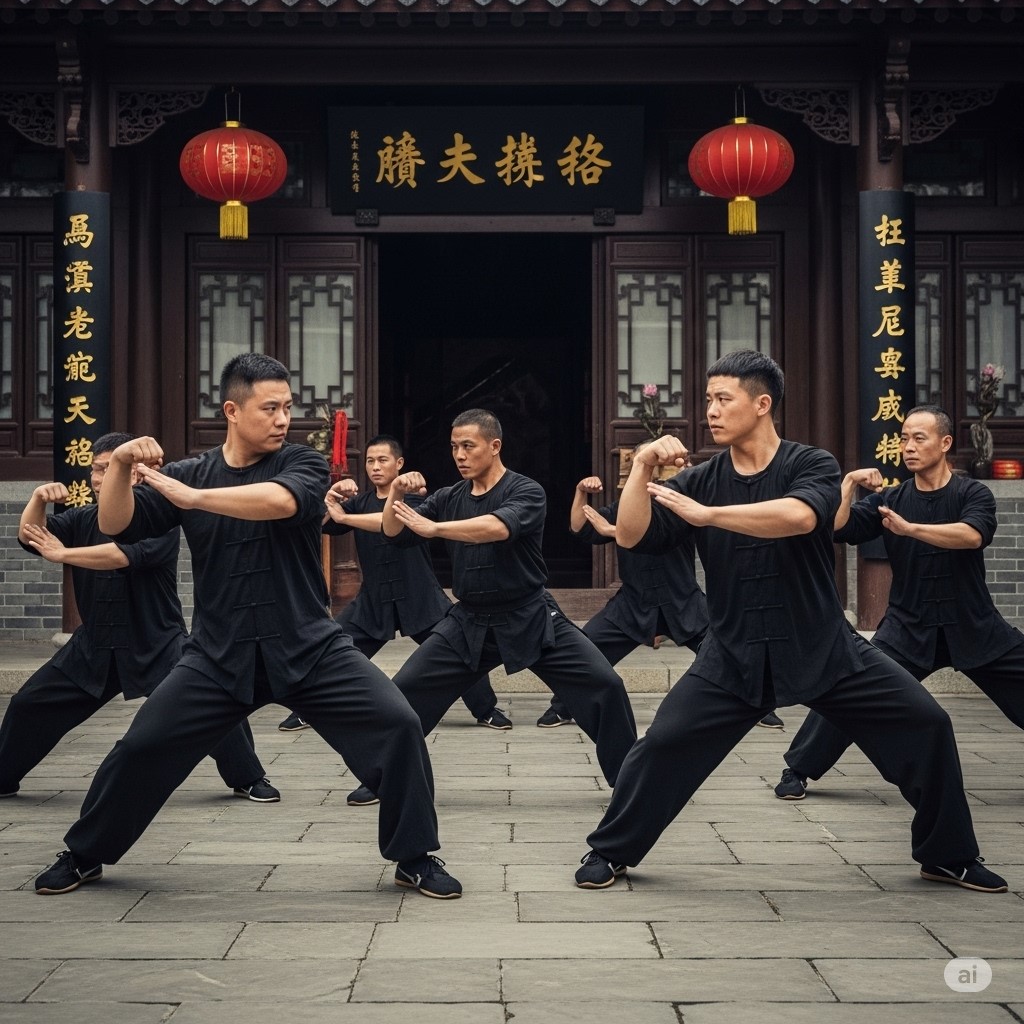
The Martial Legacy and Global Rise of Xingyiquan
Xingyiquan, one of China’s oldest and most formidable internal martial arts, carries deep historical and cultural significance. Known for its explosive power and direct movements, this art form has fascinated martial artists for centuries. Xingyiquan integrates philosophy, military tactics, and biomechanics into a single, coherent system. Today, the discipline is gaining global recognition not only as a form of self-defense but also as a competitive sport. As the martial art spreads, its influence reaches youth, schools, and international leagues.
Origins and Historical Development of Xingyiquan
Xingyiquan has ancient roots stretching back to the Song Dynasty. Most historians trace its lineage to the legendary Chinese general Yue Fei. Though historical accuracy about his role is debated, traditional accounts suggest he taught the techniques to his soldiers for battlefield effectiveness. The style, built on the principles of the Five Elements (metal, wood, water, fire, and earth), mirrors nature’s transformative patterns.
During the Ming and Qing Dynasties, the art gained more structure. Dai Longbang, a martial artist from Shanxi Province, documented much of its philosophy and techniques. His family passed the knowledge to Li Luoneng, who modernized and spread it widely. Li’s disciples, especially Guo Yunshen and Sun Lutang, helped formalize Xingyiquan into the system known today.
Sun Lutang, a renowned scholar and martial artist, played a pivotal role in promoting Xingyiquan. He integrated Daoist and Confucian philosophy into its teachings. His writings made the art more accessible to the educated elite. Consequently, Xingyiquan attracted both fighters and intellectuals.
Xingyiquan’s Global Popularity
In recent decades, Xingyiquan has grown beyond China’s borders. Martial arts enthusiasts from North America, Europe, and Southeast Asia have shown increasing interest. Many now seek authentic instruction in traditional martial arts. As a result, international schools and federations have emerged.
Several global organizations now offer certification in Xingyiquan. These include the International Wushu Federation (IWUF) and the European Chinese Martial Arts Federation (ECMAF). Both groups have worked hard to standardize forms and promote fair competition. Meanwhile, social media and video platforms have helped spread its visibility.
In the United States, Xingyiquan is part of traditional martial arts schools. These schools often teach Xingyiquan alongside Tai Chi and Bagua. In Europe, France, Germany, and the United Kingdom have notable schools. Southeast Asia, especially Malaysia and Indonesia, has vibrant communities that blend Xingyiquan with local martial traditions.
Amateur Practice and Youth Engagement
Xingyiquan thrives in amateur circles. Community centers, martial arts academies, and after-school programs offer classes for all age groups. Young children often begin with basic stances and forms. Over time, they progress to more advanced movements and partner drills.
China’s education system includes martial arts in physical education. Xingyiquan is taught alongside other traditional styles. These programs foster discipline, focus, and physical health in youth. Moreover, cultural appreciation is nurtured through martial arts history lessons.
In Western countries, youth martial arts tournaments include Xingyiquan divisions. Events such as the U.S. International Martial Arts Championship and the European Traditional Wushu Tournament have featured it. These platforms allow young practitioners to showcase their skills in a supportive environment.
Instructors emphasize the importance of values. Respect, patience, and perseverance are core components of training. These lessons extend beyond the classroom into everyday life. Parents often choose Xingyiquan for its combination of physical and character development.
Professional Leagues and Competitive Frameworks
Though traditionally non-competitive, Xingyiquan has adapted to modern sports formats. Several professional leagues now include it in sanctioned events. The International Wushu Federation (IWUF) organizes global tournaments where Xingyiquan is featured.
Professional Wushu competitions categorize styles into “taolu” (forms) and “sanda” (sparring). Xingyiquan usually appears in the taolu section. Competitors perform routines judged on power, precision, and technique. Although less common, sanda fighters sometimes use Xingyiquan strategies during matches.
In China, national competitions highlight internal martial arts. Xingyiquan receives high regard in these events. Top athletes often receive government sponsorship and media attention. Universities also host intercollegiate tournaments where elite practitioners represent their schools.
Outside China, national martial arts bodies organize Xingyiquan events. These include the United States Wushu-Kungfu Federation and the British Council for Chinese Martial Arts. Athletes earn rankings and titles that boost their professional status.
Some organizations now seek to professionalize training. They offer scholarships and training centers for high-level competitors. This infrastructure helps elevate Xingyiquan from a traditional discipline to a professional sport.
Political and Social Relevance of Xingyiquan
Xingyiquan carries both political and social weight. In China, it symbolizes national heritage and pride. Government agencies promote it as part of intangible cultural heritage. Martial arts festivals, such as the Zhengzhou International Shaolin Wushu Festival, often feature Xingyiquan.
During the early 20th century, Xingyiquan became a form of resistance. Practitioners helped defend local communities during political unrest. These acts turned martial artists into folk heroes. The art became associated with resilience and patriotism.
In modern times, governments use martial arts diplomacy. Chinese embassies sponsor cultural exchange programs showcasing Xingyiquan. These events build goodwill and cross-cultural understanding. They also enhance China’s soft power abroad.
Socially, the sport bridges generations. Elder masters often pass knowledge to younger students in public parks. This continuity strengthens community bonds. Urban centers now see a revival of interest as people seek alternatives to gym-based fitness.
Women are increasingly participating in Xingyiquan. Gender-inclusive classes promote equality within the martial arts space. This progress aligns with broader societal shifts toward inclusion.
Detailed Rules and Structure of Xingyiquan
Competitions follow specific rules that ensure fairness and safety. In taolu events, athletes perform routines judged by a panel. Judges score based on rhythm, balance, expression, and accuracy. Each movement must adhere to traditional principles.
Routines usually last 1 to 2 minutes. Competitors demonstrate the Five Element Fists (Pi, Zuan, Beng, Pao, and Heng) and Animal Forms. These forms mimic creatures like the tiger, dragon, and eagle. Each form reflects specific combat tactics and mental states.
Scoring systems are transparent. Deductions occur for stumbles, pauses, or incorrect posture. Bonus points are awarded for complexity and expression. This system encourages technical precision and artistic performance.
In sanda competitions, modified Xingyiquan techniques are allowed. Fighters use strikes, sweeps, and takedowns. Protective gear is mandatory. Bouts consist of three rounds, each lasting two minutes. Victory is determined by points, knockout, or referee decision.
Sanda judges score based on effective strikes, control, and defense. Fouls include illegal hits and leaving the fighting area. Referees receive special training to identify Xingyiquan techniques within the match.
Safety protocols are strict. Medical staff remains on standby. Fighters must pass health checks before competing. These measures ensure athlete welfare without compromising intensity.
Conclusion
Xingyiquan continues to evolve while honoring its traditions. From ancient battlefields to modern arenas, it has remained relevant. Its structured techniques and philosophical depth attract a wide audience. Youth programs, amateur leagues, and professional events now form a global ecosystem.
Political entities use it as a tool of diplomacy. Communities embrace it for health, discipline, and identity. The future looks promising as it bridges past and present. As the sport expands globally, its core values of integrity and resilience endure.
Through Xingyiquan, people connect with culture, self-improvement, and each other. This enduring martial art offers more than combat—it offers a way of life.