
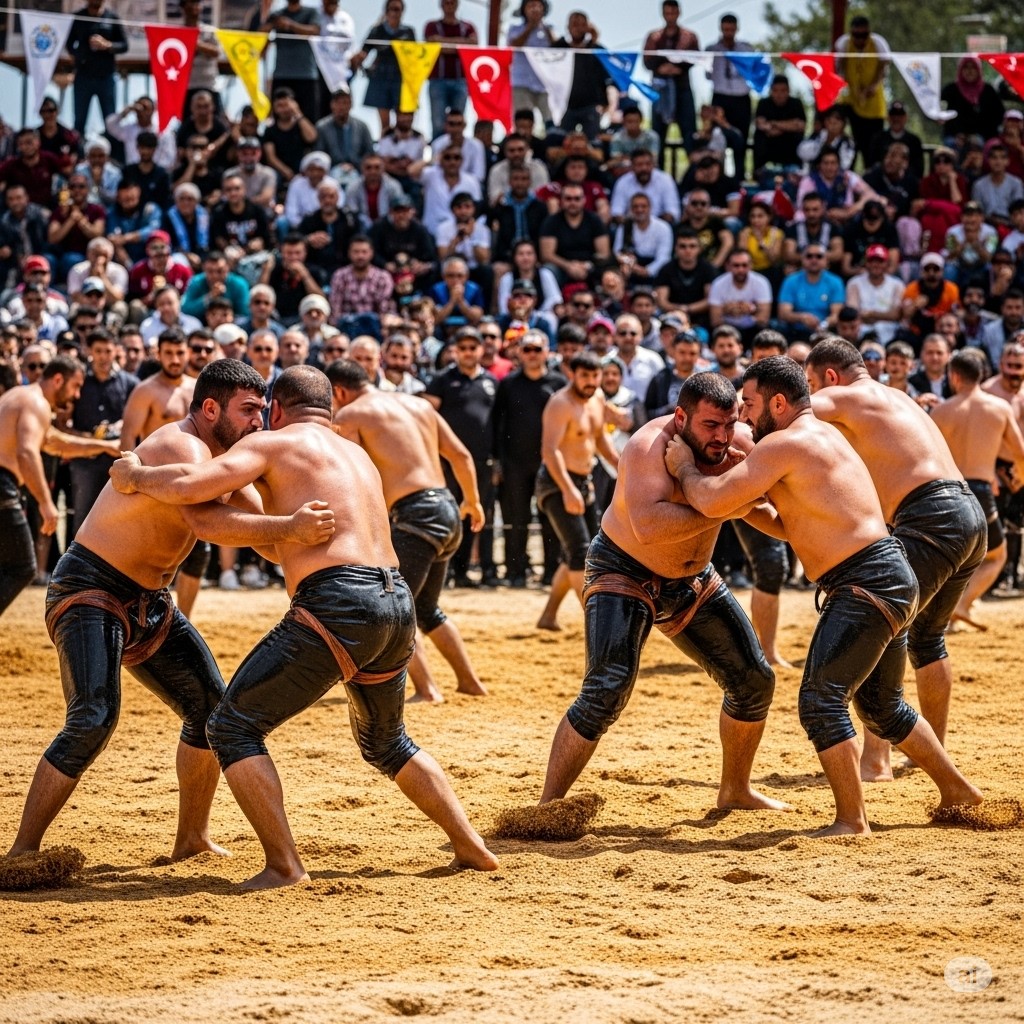
Yagli Gures: A Deep Dive into the World of Turkish Oil Wrestling
Yagli Gures, also known as Turkish oil wrestling, is one of the oldest sports in the world. Originating over 650 years ago, this traditional grappling event remains popular in Turkey and across several countries. The term “Yagli Gures” translates to “oil wrestling” in English. It combines athleticism, strategy, culture, and history into a single, unique sport. Many spectators around the world are drawn to its ancient roots and visually engaging contests. Despite its regional beginnings, Yagli Gures has gained international recognition and continues to grow.
The Origins and History of Yagli Gures
The roots of Yagli Gures can be traced back to ancient civilizations in Central Asia. The sport evolved through the Ottoman Empire, where it became formalized. Early depictions of oil wrestling appear in records from the 14th century. The famous Kirkpinar festival in Edirne, Turkey, began in 1362, making it the oldest continuously running sporting event.
Sultan Orhan Gazi and his warriors are credited with establishing the sport during military campaigns. Soldiers would wrestle to pass time and build strength. Over time, these contests evolved into ceremonial and cultural celebrations. During the Ottoman period, it became a symbol of power, honor, and physical prowess. The wrestlers, known as “pehlivans,” earned great respect in society.
By the 19th century, Yagli Gures had cemented itself as a national sport. Each bout emphasized technique, balance, and endurance. Wrestlers covered their bodies with olive oil, which increased the difficulty of maintaining holds. This tradition remains unchanged, preserving the sport’s authenticity.
The Global Popularity of Yagli Gures
While Yagli Gures is most popular in Turkey, the sport has found enthusiasts worldwide. Its international appeal has grown due to cultural exchange and migration. In countries like Germany, the Netherlands, and the United States, Turkish communities have introduced the sport.
Annual festivals and competitions occur in European countries with large Turkish populations. These events showcase the sport and attract local interest. International wrestling federations have also acknowledged Yagli Gures. Documentaries, travel shows, and sporting expos have introduced it to global audiences.
Although not part of the Olympic Games, Yagli Gures has received recognition from UNESCO. It was included in the Intangible Cultural Heritage of Humanity list in 2010. This designation has boosted awareness and preservation efforts worldwide.
Amateur Yagli Gures: Youth and School Involvement
Amateur Yagli Gures plays a vital role in nurturing young talent. In Turkey, the sport is often introduced at a young age. Local clubs and community centers organize workshops and junior competitions. These programs promote discipline, respect, and physical fitness.
Schools in Turkey sometimes integrate wrestling into their extracurricular activities. Youth tournaments are held during regional festivals. These contests create a platform for young athletes to develop their skills. Coaches often scout local events to discover promising talent.
Besides Turkey, countries with Turkish diaspora have launched similar initiatives. In Germany and Austria, youth clubs offer Yagli Gures training. Parents support these programs for their cultural and athletic value. Many young wrestlers later join local teams and compete in national events.
Efforts to promote the sport among youth also include online tutorials and virtual coaching. These resources help maintain engagement outside traditional training environments. As interest grows, more countries may adopt amateur Yagli Gures programs in their school systems.
Professional Leagues and Major Competitions
Professional Yagli Gures remains deeply tied to tradition. However, modern infrastructure and sponsorship have elevated the sport. The most prestigious tournament is the annual Kirkpinar Oil Wrestling Championship. Held in Edirne, it attracts thousands of spectators and media coverage.
Wrestlers compete for the title of “Baspehlivan,” the chief wrestler. This title is highly respected and marks a career milestone. Other important tournaments include those in Antalya, Balikesir, and Canakkale. Each event follows strict guidelines and often receives government support.
Several Turkish municipalities operate professional wrestling teams. These teams travel across the country to compete. Professional wrestlers often receive salaries and sponsorships. Their training includes strength conditioning, technical drills, and mental preparation.
In Europe, professional leagues are emerging. Germany and the Netherlands host invitational matches. Though smaller than Turkish events, these tournaments promote cross-cultural interaction. Some leagues work with local governments to build wrestling arenas and offer funding.
The internationalization of professional Yagli Gures continues to gain momentum. Global competitions are expected to grow, increasing exposure and professional opportunities.
Social and Political Significance
Yagli Gures is more than just a sport—it’s a cultural institution. Socially, it reinforces community bonds. Events often coincide with local festivals and bring people together. The festive atmosphere includes music, food, and traditional dances. These elements create a multi-sensory experience for spectators.
The sport also fosters identity and pride. In rural areas, becoming a pehlivan is a significant achievement. Families often celebrate young wrestlers with ceremonies and gifts. The sport teaches values like humility, perseverance, and respect.
Politically, Yagli Gures symbolizes national heritage. Turkish leaders often attend major tournaments. Their presence underscores the sport’s role in national identity. Governments support the sport through funding, infrastructure, and promotional campaigns.
During election seasons, political figures may sponsor events or honor local champions. This connection between politics and sport strengthens community engagement. Internationally, Yagli Gures serves as a cultural ambassador for Turkey.
Diplomatic missions sometimes organize exhibitions to showcase the sport. These efforts promote intercultural dialogue and mutual appreciation. As a result, Yagli Gures continues to shape both domestic and international perceptions of Turkish culture.
Rules and Techniques of Yagli Gures
Understanding the rules of Yagli Gures reveals its complexity and nuance. Matches take place outdoors on grass fields. Wrestlers wear leather trousers called “kispet” that extend from the waist to the knees. Before the match, they cover themselves in olive oil.
The bout begins when the referee signals. The objective is to control or pin the opponent. Wrestlers aim to place their adversary’s belly facing the sky. This can be achieved by lifting, tripping, or throwing them off balance.
Due to the slippery nature of oil, traditional techniques from Greco-Roman or freestyle wrestling are adapted. Wrestlers often grab the kispet to gain leverage. This tactic is legal and requires finesse. Hand placement, body control, and timing are essential.
Matches usually have no time limit, but some tournaments impose restrictions. In time-limited contests, judges score based on dominance and activity. Wrestlers must maintain continuous action; passivity can result in penalties.
Referees oversee the action and enforce rules. Fouls include eye-gouging, striking, or unsportsmanlike conduct. Wrestlers are expected to show respect before and after matches. They bow to the referee and shake hands with their opponent.
Physical conditioning plays a critical role. Training includes cardiovascular exercises, weightlifting, and sparring. Diet and hydration are also monitored. Wrestlers must balance strength and agility to succeed.
In conclusion, the rules of Yagli Gures promote fair play, endurance, and technical mastery. These aspects contribute to its lasting appeal.
Conclusion
Yagli Gures represents a unique blend of sport, culture, and tradition. With origins dating back centuries, it continues to inspire both athletes and spectators. Its presence has grown globally, thanks to cultural exchange and enthusiastic communities abroad.
Amateur programs provide young wrestlers with opportunities to learn and grow. Professional leagues maintain the sport’s prestige while embracing modern developments. Socially, it unites communities and promotes shared values. Politically, it serves as a symbol of heritage and national pride.
The rules and techniques of Yagli Gures demand skill, strength, and respect. This timeless sport offers more than entertainment; it preserves a rich legacy. As it gains recognition worldwide, Yagli Gures will continue to thrive and inspire future generations.