
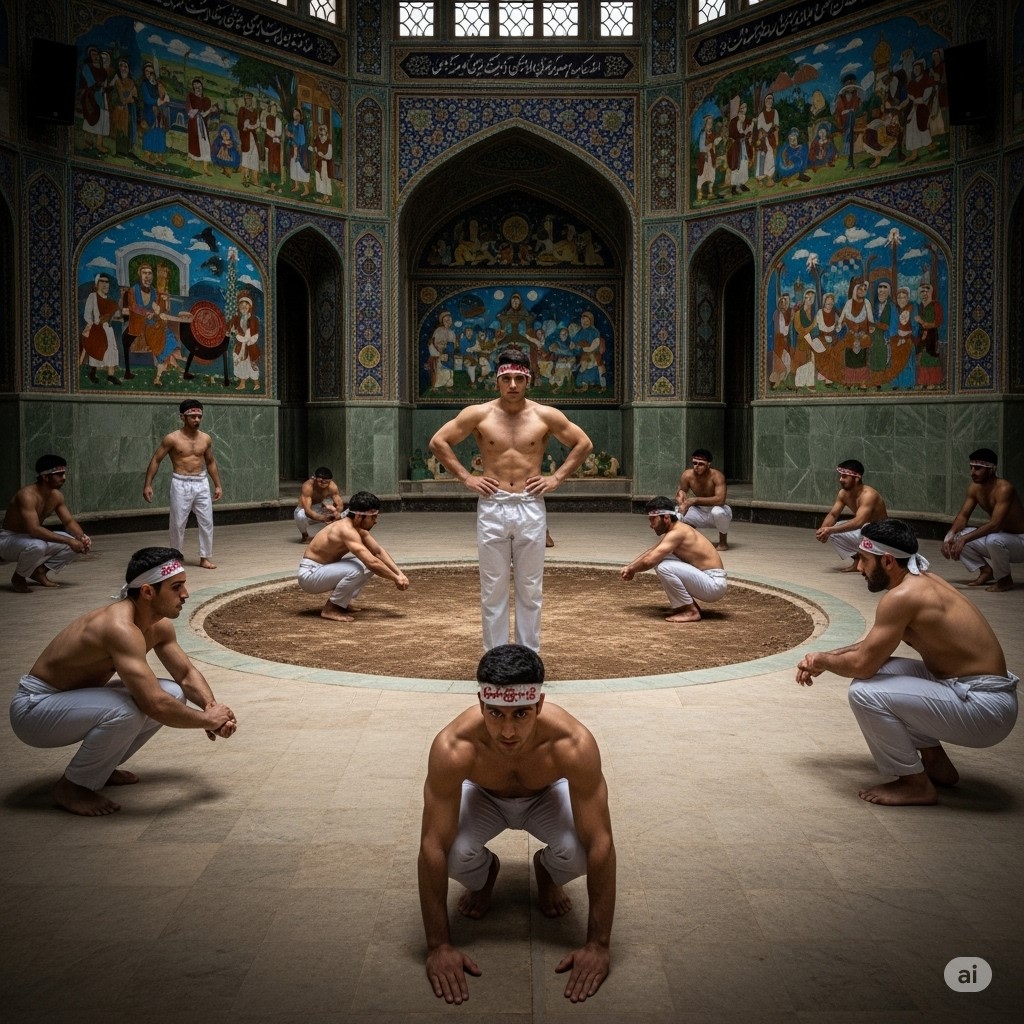
Zoorkhaneh: The Ancient Sport Bridging Strength, Spirit, and Culture
Zoorkhaneh is a traditional sport that combines physical fitness, martial arts, and spiritual discipline. Practiced for centuries, it remains a unique symbol of Iranian heritage. The word “Zoorkhaneh” literally means “house of strength” in Persian. This term refers both to the physical location where the sport is practiced and the broader tradition surrounding it. Although rooted in Persia, Zoorkhaneh continues to captivate enthusiasts around the globe.
The Origin and History of Zoorkhaneh
Zoorkhaneh traces its origins back to ancient Persia, over 2,000 years ago. It evolved as a training system for warriors in the Persian Empire. These warriors trained not just for combat but also for ethical and moral excellence. Over time, the system merged with elements of Sufism and Iranian nationalism.
In the early Islamic period, Zoorkhaneh became associated with the values of chivalry and spirituality. The sport retained links to Zoroastrianism, pre-Islamic culture, and the warrior ethos of ancient Persia. Participants saw themselves as spiritual warriors. They trained their bodies while nurturing humility, respect, and devotion.
The Zoorkhaneh ritual integrates poetry, music, and invocation. Drummers play the “zarb,” a goblet-shaped drum, to set the rhythm. Poetry from Ferdowsi’s Shahnameh inspires practitioners to uphold bravery and honor.
By the 19th century, Zoorkhaneh had developed into a formalized practice. Urban centers in Iran featured prominent Zoorkhanehs. Elders and athletes passed down the sport through oral traditions and mentorship. This period also saw the rise of famous champions, known as “Pahlavans,” who gained national respect.
Global Popularity of Zoorkhaneh
Despite its deep roots in Iran, Zoorkhaneh has attracted international interest. Iranians living abroad have introduced the sport to new audiences. Cultural exchanges and tourism have played key roles in its spread.
Today, Zoorkhaneh is practiced in several countries, including Iraq, Azerbaijan, India, and Turkey. The diaspora has also established clubs in Europe and North America. These clubs serve both as training centers and cultural hubs. They foster community among Iranians and non-Iranians alike.
UNESCO recognized Zoorkhaneh as an Intangible Cultural Heritage of Humanity in 2010. This designation boosted its global visibility. It encouraged preservation efforts and inspired new practitioners worldwide.
Sports festivals and international competitions now include Zoorkhaneh events. Participants from various countries showcase their skills and cultural pride. Media coverage and social media have also contributed to the sport’s growing recognition.
Amateur Zoorkhaneh Around the World
Amateur participation in Zoorkhaneh is expanding steadily. In many countries, enthusiasts have formed local clubs to teach and practice the sport. These clubs often partner with cultural centers or community organizations.
In Iran, many schools include Zoorkhaneh in their physical education curriculum. Students learn the basics of the sport along with its ethical foundations. They develop strength, flexibility, and mental focus. Competitions are held at school and regional levels.
Outside Iran, cultural festivals often feature Zoorkhaneh demonstrations. These events introduce new audiences to the sport. Children and teenagers are encouraged to participate through workshops and training sessions.
Youth engagement is crucial for the sport’s sustainability. Mentorship programs connect young athletes with experienced practitioners. Instructors emphasize discipline, teamwork, and respect. This approach cultivates both athletic skill and moral character.
Communities have also created online resources to support learning. Instructional videos, forums, and virtual classes make the sport accessible to a global audience. These platforms provide guidance on techniques and cultural context.
Professional Leagues and Competitions
Professional Zoorkhaneh is less commercialized than mainstream sports, but it continues to grow. Iran hosts several national-level competitions throughout the year. Athletes compete in strength, agility, and coordination events.
The Iranian Physical Education Federation oversees these events. It also works to standardize rules and promote international engagement. The best athletes earn titles and recognition. They often become ambassadors of the sport.
International federations have emerged to promote professional Zoorkhaneh. The International Zurkhaneh Sport Federation (IZSF) leads these efforts. It organizes tournaments and fosters collaboration among member countries.
Competitions typically include group and individual performances. Athletes showcase skills using traditional equipment like “meel” (wooden clubs) and “sang” (shields). Judges evaluate form, rhythm, and strength.
Countries like Azerbaijan, Tajikistan, and Iraq have formed professional teams. These teams participate in international championships. Events often coincide with cultural festivals, drawing large crowds and media attention.
Though sponsorship is limited, the sport continues to attract support. Government grants, cultural funds, and private donors help sustain professional leagues. Athletes train rigorously and often serve as role models in their communities.
Political and Social Significance of Zoorkhaneh
Zoorkhaneh holds deep political and social meaning. In ancient Persia, it prepared warriors for battle and governance. The sport instilled values of loyalty, justice, and self-sacrifice.
During the Islamic era, it became a space for resistance against foreign rule. Practitioners used the sport to preserve Iranian identity and culture. It became a quiet form of protest and solidarity.
In modern Iran, Zoorkhaneh symbolizes national pride. It connects citizens to their historical roots. Leaders often reference the sport in speeches and ceremonies.
Socially, Zoorkhaneh fosters unity and mutual respect. Practitioners come from diverse backgrounds but train together. They build bonds through shared discipline and effort.
The sport promotes inclusivity and mentorship. Older athletes guide the young. This tradition strengthens community ties and ensures continuity.
In the diaspora, Zoorkhaneh helps preserve cultural identity. It offers a sense of belonging and connection to heritage. Communities use it as a tool for education and integration.
Rules and Structure of Zoorkhaneh
Zoorkhaneh follows a structured format that combines exercise and ritual. Sessions begin with a salute to the leader, known as the “Morshed.” The Morshed plays the drum and recites poetry to guide the session.
Warm-ups include calisthenics and stretching. Practitioners move in harmony with the drumbeat. They perform push-ups, squats, and rotations to increase agility.
The next phase involves traditional equipment. The “meel” are large wooden clubs swung in specific patterns. These exercises build shoulder strength and coordination.
“Sang” are heavy wooden boards used for resistance training. Athletes lift and move them rhythmically. These movements mimic ancient combat techniques.
Another key element is the “kabbadeh,” a bow-shaped metal instrument. Practitioners swing it to build arm and upper body strength.
Each session ends with a cool-down and group reflection. Participants express gratitude and share thoughts. This reinforces the sport’s spiritual and ethical dimensions.
Rules emphasize safety, respect, and discipline. Practitioners must follow the Morshed’s instructions. They must also support and encourage each other. Violations of conduct lead to reprimands or exclusion.
Competitions follow similar rules but focus on performance. Athletes are judged on strength, precision, and rhythm. Panels of experienced practitioners score each routine.
Uniforms are traditional and symbolic. Participants wear short pants known as “tonban” and often go barefoot. The dress code reflects humility and tradition.
Conclusion
Zoorkhaneh stands as a powerful symbol of cultural resilience, physical excellence, and spiritual growth. It connects past to present through ritual, music, and movement. Although ancient in origin, it continues to thrive in a modern world.
The sport’s international growth proves its universal appeal. From school gyms to international arenas, Zoorkhaneh inspires people across generations and borders. With strong roots and a growing community, its legacy will endure for years to come.