
The Complete Guide to Freeskating: History, Growth, Rules, and Global Impact
Freeskating continues to rise as one of the most exciting action sports in the world. The sport blends creativity, balance, and freedom into a unique skating experience. Freeskating also offers a strong global community that values expression and innovation. The sport attracts athletes of all ages and backgrounds. This introduction sets the foundation for a deeper look into the evolution, culture, and significance of this thrilling activity.
Origin and Early History
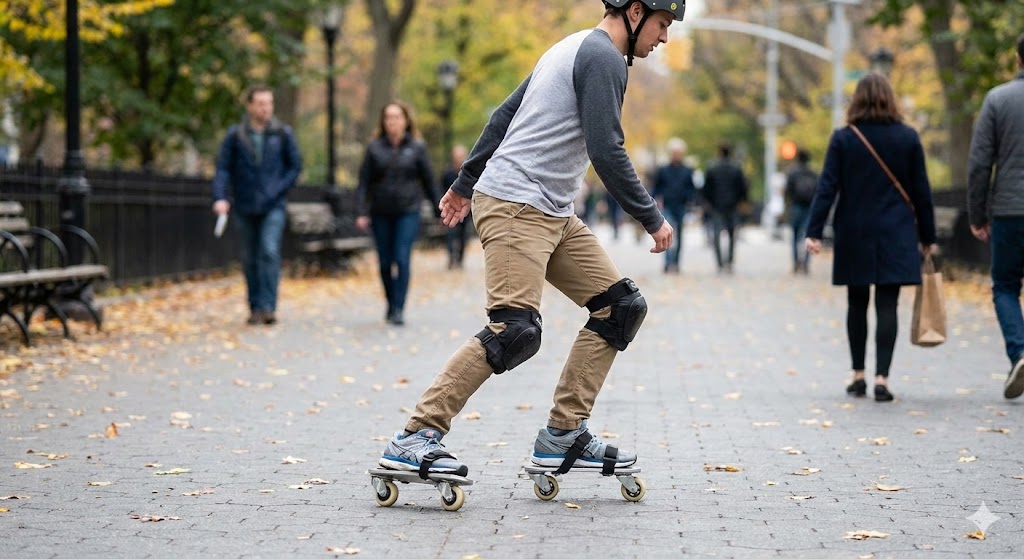
Freeskating began with a simple idea. Skaters wanted more freedom than traditional inline skating allowed. Early innovators experimented with new wheel structures. They tested designs that could move in any direction. Eventually, two independent plates with two wheels each were created.
These small plates allowed total foot separation. This separation allowed greater control and endless trick possibilities. Skaters discovered that they could rotate, carve, drift, and glide more freely. Soon, the movement style formed a new discipline.
Early adopters shaped the sport through creativity. They met in local parks and urban streets. They shared techniques and trick combinations. Their experimentation helped refine the equipment and style.
Communities formed quickly. Word spread from small groups to larger cities. Enthusiasts adopted the sport across continents. As the design improved, more athletes joined in. They felt drawn to the combination of rhythm, flow, and challenge.
Although early records are limited, the sport’s foundation remains clear. Freeskating grew because people wanted unrestricted motion. Skaters wanted art and athleticism blended into a single experience.
Growth and Global Popularity
Freeskating now enjoys global recognition. The sport has reached North America, Europe, and Asia. Many countries now have local freestyle teams and training groups. Urban centers embrace the sport due to open spaces and strong youth interest.
Asia leads the largest growth. Cities like Seoul, Tokyo, and Singapore host significant skating scenes. Public parks fill with young athletes practicing new combinations. Skilled riders produce videos that inspire millions online. These clips drive more participation each year.
Europe continues to expand the sport as well. Cities such as Paris, Berlin, and Barcelona offer ideal terrain. Smooth plazas and wide sidewalks encourage more creative riding. European athletes also travel for competitions and workshops.
North America contributes strong cultural influence. Major cities host meetups and training events. Riders focus on style, rhythm, and innovative tricks. Online communities help increase interest and showcase new talent.
Global competitions strengthen the sport’s presence. Athletes travel internationally to compete. Judges evaluate creativity, flow, control, and difficulty. These events motivate riders to push limits.
As a result, Freeskating reaches new demographics every year. Parents encourage children to join local programs. Schools introduce the sport as part of after-school activities. Many fitness professionals recommend it for balance training.
Youth and Amateur Freeskating
Youth participation continues to climb. Kids enjoy the freedom the plates provide. They explore movement without strict rules or pressure. Young riders often learn faster than adults due to agility and fearlessness.
Schools sometimes integrate skating programs into physical education. Students learn balance, coordination, and discipline. Teachers promote the sport because it improves focus and confidence. Many schools also form teams that practice after class.
Community centers offer beginner classes. Instructors teach stance, balance, and safe movement. Once students gain confidence, they learn turns, drifts, and basic freestyle skills.
Amateur groups gather in parks worldwide. Riders teach each other and share new tricks. These groups help the community grow. Beginners feel welcomed because the culture values encouragement.
Local competitions support amateur development. Small events give riders a chance to show progress. Judges reward creativity rather than extreme difficulty. These competitions help build experience and improve confidence.
Social media strengthens amateur culture. Riders post tutorials, lessons, and practice clips. Beginners learn faster by watching others. Online communities celebrate every milestone.
Parents appreciate the sport for several reasons. It offers physical activity and it encourages creativity. It also improves balance and coordination and it provides a positive social outlet.
Professional Freeskating Around the World
Although the sport remains young, professional leagues and circuits continue to emerge. Several regions now host annual championship events. Riders gain sponsorships through equipment brands, apparel companies, and lifestyle organizations.
Asia hosts some of the strongest professional scenes. Many top riders originate from China, South Korea, Taiwan, and Japan. These countries host structured leagues with rankings and scoring systems. National tournaments select top skaters for international events.
European professional circuits gain momentum as well. Events in France, Spain, and Germany draw elite riders. They showcase advanced tricks and technical combinations. European judges focus on precision and style. These events attract large crowds and media coverage.
North America continues to grow its professional presence. Skaters compete in showcases and sponsored tours. Companies sponsor exhibitions at festivals and sporting events. Professional riders also teach workshops to spread the sport further.
International championships unite all regions. These competitions highlight the highest level of talent. Riders demonstrate controlled spins, transitions, and complex chains. Creativity plays a large role. Judges consider originality as one of the top scoring factors.
Professional careers vary by country. Some athletes earn income from sponsorships and teaching. Others create content online. The combination of digital visibility and competition success creates new opportunities.
Social and Political Significance
Freeskating carries important social influence. The sport encourages creativity and individuality. Riders express personality through movement and style. They build identity through unique trick combinations.
Communities form around shared passion. Riders from different backgrounds come together. They support each other and celebrate progress. This unity creates strong friendships and reduces social barriers.
Youth benefit most from this culture. Many find purpose through the sport. It offers an outlet for stress, frustration, and self-doubt. Young athletes discover confidence and self-expression.
Cities also feel the social impact. Public spaces become gathering points for positive activity. Instead of conflict or inactivity, parks fill with energetic athletes. The presence of riders helps create safer and more vibrant areas.
Politically, the sport influences urban planning discussions. Skaters advocate for smoother surfaces, dedicated zones, and safe areas. Governments recognize the positive effects. Some cities invest in skating plazas and training spaces. These investments reduce accidents and increase community engagement.
Tourism also benefits from these projects. Large cities host global competitions. Visitors travel from around the world to attend. Local economies gain hotels, dining, and transportation revenue.
Freeskating therefore provides more than entertainment. It contributes to stronger communities, healthier youth, and increased civic engagement.
Rules and Structure of Freeskating
The sport offers flexibility, yet clear rules guide competitions and training. These rules ensure fairness, safety, and consistency.
Riders skate on two separate plates. Each plate holds two wheels. Feet move independently. This structure allows side-to-side and rotational motion.
Competitions judge several factors. Difficulty, creativity, flow, and execution matter most. Riders earn points for trick combinations that show control. Judges watch transitions and smoothness as well.
Time limits keep performances consistent. Most runs last one to two minutes. Skaters must plan combinations carefully. They balance speed with control.
Safety equipment is encouraged. Helmets, wrist guards, and knee pads reduce injuries. Many amateur events require them. Professional skaters choose based on comfort, yet helmets remain common.
Riders must stay within designated areas during events. These areas include flat surfaces with enough room for tricks. Boundaries prevent collisions and improve fairness.
Behavior rules emphasize sportsmanship. Skaters treat other competitors with respect. They encourage younger riders. Judges expect honesty and fair conduct.
Training rules vary by group. Many teams structure practice around drills. These drills include balance training, turning sequences, and trick repetition. Coaches teach discipline and technique.
Even though creativity drives the sport, structure keeps it safe and accessible.
Why Freeskating Continues to Rise
The sport grows because it offers something unique. Riders experience complete freedom of movement. They enjoy physical challenge and artistic expression. Few activities blend these elements so well.
Urban environments support its growth. Cities contain flat plazas, parks, and walkways. Riders discover new lines and new ways to move.
Technology also helps expansion. Social media spreads videos to millions. New athletes learn instantly through tutorials and breakdowns. Innovation spreads quickly.
Many people use the sport as a form of exercise. It strengthens core muscles and improves balance. It also increases endurance. Fitness enthusiasts appreciate these benefits.
The culture remains open and welcoming. Beginners feel comfortable joining. Experienced riders share knowledge freely. This kindness keeps the community strong.
Future of the Sport
The future looks bright. More countries continue to adopt the sport. More youth programs develop each year. Equipment companies innovate new designs and materials. These improvements make the plates faster, smoother, and more durable.
Cities may build dedicated Freeskating zones. These spaces would offer safe training areas. They would encourage local gatherings and competitions.
Technology could also influence training. Motion sensors and digital feedback may help athletes improve faster. Augmented reality could even introduce new practice tools.
Professional leagues should expand. More sponsorship opportunities may appear. Major competitions could receive global broadcasting.
The sport’s culture will remain central to its growth. Riders value freedom, creativity, and connection. These ideas attract people from all backgrounds.
Conclusion
Freeskating stands as a modern action sport that blends art, speed, and personal expression. The sport evolved from creative experimentation. Today, it thrives on global participation, youth involvement, and professional competition.
Communities grow stronger because of shared passion. Cities benefit from positive public engagement. Athletes gain confidence and identity. Every region contributes to the sport’s future.
As the sport expands, its influence will continue to spread. People will find new ways to express themselves. Athletes will push the limits of movement. The world will embrace the rhythm, freedom, and excitement of this unique discipline.
Freeskating continues to inspire and Freeskating continues to evolve. Freeskating unites athletes worldwide.