
The Fastest Growing Soccer Leagues in the USA
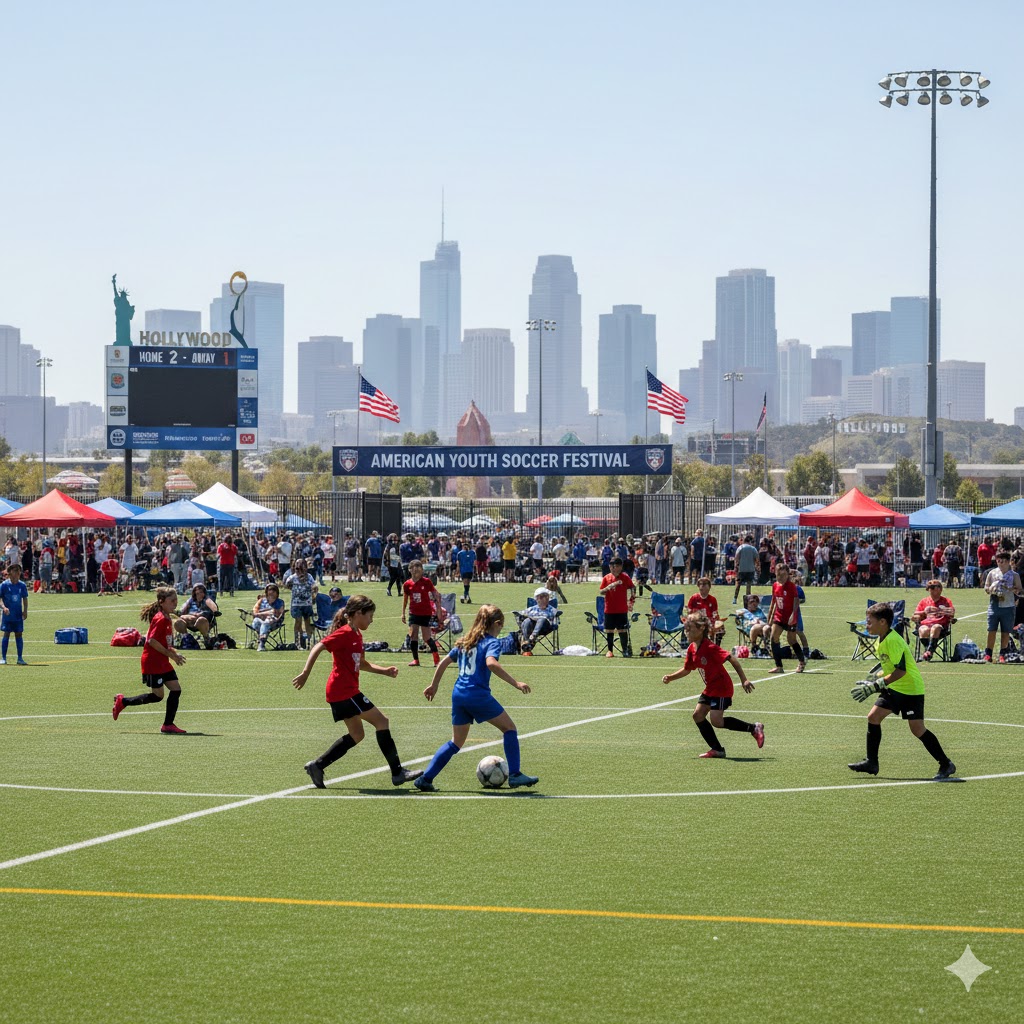
The Fastest Growing Soccer Leagues in the USA
Soccer in the United States is no longer defined by a single league or a single vision. What stands out to me most right now is how growth is happening at multiple levels, in multiple directions, and for multiple audiences. From established professional leagues to emerging development platforms, American soccer is expanding in ways that would have been hard to imagine even a decade ago.
This growth is not accidental. It is the result of long-term investment, improved infrastructure, smarter youth development, increased media exposure, and a cultural shift that continues to bring new fans into the sport. Some leagues are growing through attendance and television numbers. Others are expanding their footprint by creating clearer pathways for players, coaches, and communities.
What follows is my perspective on the fastest growing soccer leagues in the United States, why they are growing, and what that growth means for the future of the sport domestically.
Soccer’s Unique Moment in the United States
Soccer has always occupied a different space in the American sports landscape. It competes not just with other sports, but with deeply rooted traditions. What feels different now is that soccer is no longer trying to justify its presence. Instead, it is building momentum through consistency and structure.
Participation numbers continue to rise at the youth level. Media coverage is broader and more sophisticated. Ownership groups are investing long-term rather than chasing short-term relevance. Most importantly, fans now have options, and those options keep expanding.
Growth no longer depends on one league succeeding. It depends on an ecosystem functioning together.
Major League Soccer (MLS): Still the Growth Engine
Expansion With Intent
Major League Soccer remains the most visible driver of soccer growth in the United States. While expansion has slowed compared to previous years, the league has clearly shifted from rapid expansion to consolidation and quality control.
MLS clubs are investing heavily in training facilities, academies, and player development. The league’s willingness to evolve roster rules has allowed teams to balance star power with young talent, both domestic and international.
Media Exposure and Global Relevance
The global reach of MLS continues to improve. High-profile signings attract attention, but what matters more to me is the league’s improving baseline quality. Matches are faster. Tactics are sharper. Coaching standards are higher.
MLS is not trying to replicate Europe. It is carving out its own identity, and that approach appears to be working.
USL Championship: Depth, Stability, and Community Roots
A League Built for Sustainability
The USL Championship has quietly become one of the most important leagues in American soccer. Its growth is not driven by headlines, but by structure and geography. With clubs spread across the country, the league reaches markets that MLS either cannot or chooses not to serve.
What stands out to me is the emphasis on local identity. Many USL clubs are deeply embedded in their communities, creating loyal fan bases that feel authentic rather than manufactured.
Competitive Balance Matters
The level of competition in the USL Championship continues to improve. Player movement between MLS and USL has become more fluid, and the quality gap is narrowing in meaningful ways.
For players, coaches, and executives, the USL Championship is no longer a fallback option. It is a legitimate professional environment with its own ambitions.
USL League One: Growth at the Ground Level
Smaller Markets, Big Impact
USL League One plays a crucial role in expanding soccer’s footprint. By focusing on smaller markets, the league introduces professional soccer to communities that may have never experienced it before.
This matters. Soccer growth is not just about television ratings. It is about presence. League One clubs often become the centerpiece of their local sports culture.
Development Over Flash
The league’s emphasis on player development, coaching education, and operational stability makes it an important part of the overall ecosystem. Growth here is steady, intentional, and sustainable.
MLS NEXT Pro: A Bridge That Was Missing
A Clear Development Pathway
MLS NEXT Pro fills a gap that long existed in American soccer. It provides a professional environment for young players transitioning from academies to first teams.
From my perspective, this league represents one of the smartest structural decisions MLS has made. Development no longer feels fragmented. Players have a clearer roadmap, and clubs can manage talent progression more effectively.
Growth Through Purpose
MLS NEXT Pro is not designed to compete for attention in the traditional sense. Its growth is measured by outcomes rather than optics. That focus makes it an essential component of the system.
National Women’s Soccer League (NWSL): Momentum Meets Opportunity
Rapid Growth Across Every Metric
The NWSL is one of the fastest growing leagues in the country, regardless of sport. Attendance, sponsorship, media coverage, and talent depth have all increased dramatically.
What stands out to me is how the league has balanced growth with credibility. The level of play is high, and the product feels authentic rather than forced.
Cultural Impact
The NWSL benefits from strong national team connections, but it is increasingly standing on its own. The league’s ability to develop stars while maintaining competitive balance has made it must-watch soccer for a growing audience.
Emerging and Independent Leagues: Experimentation Matters
NISA and Alternative Models
Independent leagues like NISA continue to experiment with ownership structures and competition formats. While growth here is less predictable, these leagues play an important role by challenging assumptions about how professional soccer should operate.
Not every experiment succeeds, but innovation often comes from the margins.
Semi-Pro and Development Leagues
Leagues operating below the fully professional level continue to grow participation and visibility. They may not dominate headlines, but they expand access and opportunity.
Why All These Leagues Are Growing
Youth Development Is Better Organized
Youth soccer in the United States is more structured than ever. Academies are aligned with professional clubs. Coaching education has improved. The pathway from youth to pro is clearer.
Investment Is Smarter
Ownership groups are thinking long-term. Facilities, training staff, analytics, and community outreach are no longer optional. They are expected.
Media Coverage Has Evolved
Streaming platforms, social media, and digital storytelling have changed how fans engage with the sport. Soccer content is easier to access and easier to follow than ever before.
Cultural Acceptance Continues to Expand
Soccer no longer feels like an outsider sport. It is part of the American sports conversation, especially among younger fans.
Can These Leagues Rival Europe?
I see the future as both competitive and complementary.
American leagues may never fully replicate the historical depth of European soccer. At the same time, they do not need to. What they can do is strengthen domestic culture, retain more talent, and create a product that feels uniquely American without sacrificing quality.
The gap is narrowing in some areas. In others, the goals are simply different.
What This Growth Really Means
To me, the most encouraging aspect of this expansion is that it is layered. Growth is happening at the top, the middle, and the foundation. That creates resilience.
Soccer in the United States no longer relies on one league succeeding. It relies on an interconnected system moving forward together.
That is how lasting growth happens.
Final Thoughts
The fastest growing soccer leagues in the United States are not competing against one another as much as they are collectively redefining what American soccer looks like. Each league serves a purpose. Each contributes to the ecosystem.
Growth is not linear, and it is not guaranteed. But the current trajectory feels sustainable, intentional, and inclusive.
From where I sit, this is not a temporary surge. It is a structural shift.
And it is far from finished.