
The Ultimate Beginner’s Guide to Pickleball
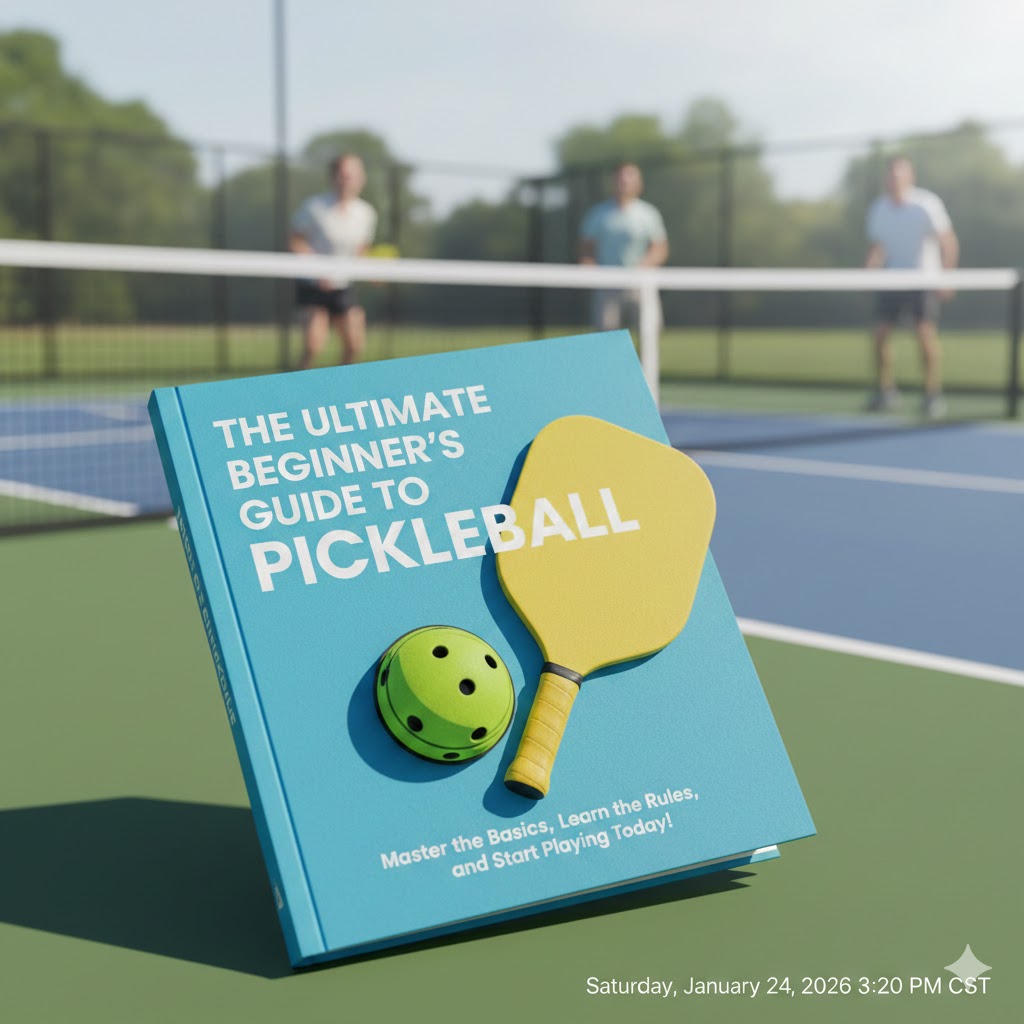
The Ultimate Beginner’s Guide to Pickleball
Pickleball has become one of the fastest-growing sports in the world, and for good reason. It is easy to learn, affordable, social, and suitable for players of all ages. Whether you are looking for a new recreational activity, a competitive outlet, or simply a fun way to stay active, Pickleball offers something for everyone. This Ultimate Beginner’s Guide to Pickleball will walk you through everything you need to know, from the sport’s origins to its rules, equipment, strategies, and long-term appeal.
If you are brand new to the sport, this guide will give you a strong foundation. Even better, it will prepare you to explore more advanced Pickleball topics with confidence as you continue your journey.
What Is Pickleball?
I had never heard of Pickleball only a few years ago. Now everywhere I look there are people of all ages playing. Curiously, some of these people are normally not energetic and are definitely not very athletic. In fact, I’ve seen people that I know participating that rarely ever even go outside. However, the main thing I’ve noticed is they’re having fun. I hear laughter and I see people getting exercise. That’s a win/win situation indeed.
Pickleball is a paddle sport that combines elements of tennis, badminton, and table tennis. Players use solid paddles to hit a perforated plastic ball over a net on a court that is smaller than a tennis court. The game can be played indoors or outdoors, in singles or doubles formats.
What sets Pickleball apart is its accessibility. The smaller court size reduces movement demands. The rules are simple. The learning curve remains friendly for beginners. At the same time, the sport still offers depth and strategy for advanced players.
As a result, Pickleball appeals to a wide demographic. Children, adults, and seniors can all enjoy the game together. That unique blend of simplicity and competitiveness helps explain the sport’s explosive growth.
The History of Pickleball
Pickleball began in 1965 on Bainbridge Island, Washington. Three fathers, Joel Pritchard, Bill Bell, and Barney McCallum, created the game as a way to entertain their families. With limited equipment available, they improvised. They used ping-pong paddles, a plastic ball, and a badminton court.
Over time, the game evolved. Rules were standardized and the equipment improved. What started as a backyard pastime slowly transformed into an organized sport.
By the 1970s, Pickleball had spread beyond Washington State. During the following decades, it gained popularity in community centers, retirement communities, and schools. Eventually, national organizations formed to govern the sport and promote growth.
Today, Pickleball is played worldwide. Professional tours exist with televised matches draw growing audiences. Despite that progress, the sport has never lost its welcoming, grassroots feel.
Why Pickleball Is Growing So Fast
Several factors contribute to Pickleball’s rapid rise in popularity. First, the sport is easy to pick up. Beginners can catch on within minutes, which creates instant enjoyment. That early success keeps new players coming back.
Second, Pickleball is social. Doubles play dominates recreational leagues. Players often rotate partners. This structure encourages conversation, friendships, and a strong sense of community.
Third, the sport is affordable. Compared to tennis or golf, equipment costs remain low. Courts can be built on existing tennis surfaces, which helps municipalities add facilities quickly.
Finally, Pickleball delivers real fitness benefits without excessive strain. The smaller court reduces impact on joints. However, players still get a solid cardiovascular workout.
Together, these elements create a perfect environment for sustained growth.
Pickleball Court Dimensions and Layout
Understanding the court layout is essential for beginners. A Pickleball court measures 20 feet wide by 44 feet long. These dimensions remain the same for both singles and doubles play.
The net sits at 36 inches high at the sidelines and 34 inches high at the center. The court includes several clearly marked zones, each with a specific purpose.
The Non-Volley Zone (The Kitchen)
The non-volley zone, commonly called the kitchen, extends seven feet from the net on both sides. Players may not volley the ball while standing in this area. This rule prevents aggressive net play and encourages longer rallies.
Service Courts
The court is divided into right and left service areas on each side. Serves must land diagonally in the opponent’s service court and clear the kitchen line.
Learning the court layout early will help you avoid common beginner mistakes and improve consistency.
Understanding where to stand and how each line functions is essential for new players, and our full guide to Pickleball court dimensions and layout explains boundaries, service zones, and the kitchen rule in detail.
Pickleball Equipment Explained
One of Pickleball’s greatest strengths is its simple equipment requirements. You only need a paddle, a ball, and proper footwear to get started.
Pickleball Paddles
Pickleball paddles are solid and lightweight. They are typically made from wood, composite materials, or graphite. Beginners often start with composite paddles, which offer a balance of power and control.
Grip size matters as well. A comfortable grip improves control and reduces injury risk. Most beginners find mid-size grips work best.
Choosing the right paddle is especially important for new players, and our complete guide to Pickleball paddles for beginners breaks down materials, weight, grip size, and what to look for before buying.
Pickleball Balls
Pickleball balls are plastic and perforated. Indoor and outdoor balls differ slightly. Outdoor balls have smaller holes and weigh more to handle wind. Indoor balls feature larger holes and softer plastic.
Pickleball balls also vary by environment, and our guide to indoor vs outdoor Pickleball balls explains how hole size, weight, and surface conditions affect performance.
Shoes and Apparel
Court shoes with good lateral support are essential. Running shoes are not recommended because they lack side-to-side stability. Comfortable athletic clothing completes the setup.
Overall, equipment costs remain modest, which lowers the barrier to entry.
Proper footwear is just as important as paddles and balls, and our guide to the best Pickleball shoes and apparel for beginners explains how the right gear improves comfort, safety, and movement on the court.
Basic Pickleball Rules for Beginners
Pickleball rules are straightforward, yet they include unique elements that beginners must understand.
New players often feel overwhelmed at first, but our complete guide to Pickleball rules explained simply for beginners breaks down serving, scoring, kitchen violations, and common faults in clear, easy language.
Serving Rules
The serve must be hit underhand. The paddle must contact the ball below the server’s navel. Additionally, at least one foot must remain behind the baseline during the serve.
The serve must travel diagonally and land beyond the kitchen line in the opponent’s service court.
The Double-Bounce Rule
After the serve, each team must allow the ball to bounce once before volleying. This means the receiving team lets the serve bounce, and the serving team lets the return bounce. Only then may players volley.
This rule slows the game and creates longer rallies.
Scoring Rules
Only the serving team can score points. Games are typically played to 11 points, and teams must win by two.
Understanding these core rules will help you play confidently and avoid frustration early on.
How Pickleball Scoring Works
Pickleball scoring often confuses beginners at first. However, it becomes second nature with practice.
In doubles play, each team has two servers. The first server continues serving until a fault occurs. Then the serve passes to the second partner. Once both players lose their serves, the opposing team gains the serve.
The score is called using three numbers: the serving team’s score, the receiving team’s score, and the server number.
While this system sounds complex, it quickly becomes intuitive during actual play.
Singles vs Doubles Pickleball
Pickleball can be played in singles or doubles formats. Each offers a different experience.
Singles play emphasizes speed, endurance, and shot placement. Players must cover the entire court, which creates a more physically demanding game.
Doubles play focuses on teamwork, communication, and strategy. Most recreational players prefer doubles because it is social and less physically taxing.
Beginners often start with doubles before exploring singles play.
Fundamental Pickleball Shots
Learning a few basic shots will dramatically improve your game.
The Serve
A consistent serve sets the tone for every rally. Focus on accuracy rather than power when starting out.
The Dink
The dink is a soft shot that lands in the kitchen. It forces opponents to move forward and limits aggressive attacks. Mastering the dink is essential for long-term success.
The Volley
Volleys are shots hit before the ball bounces. Good volley technique relies on control and positioning rather than strength.
The Groundstroke
Groundstrokes occur after the ball bounces. These shots help sustain rallies and create opportunities.
By practicing these fundamentals, beginners build a solid foundation.
Learning smart tactics early can accelerate improvement, and our guide Winning Pickleball Strategies for Beginners explains positioning, shot selection, and teamwork fundamentals.
Common Beginner Mistakes in Pickleball
Many new players struggle with the same issues. Recognizing them early can speed up improvement.
First, beginners often stand too close to the net. This leads to kitchen violations. Staying just behind the line improves balance and legality.
Second, players frequently try to hit the ball too hard. Control matters more than power in Pickleball.
Finally, beginners sometimes ignore positioning. Proper footwork and spacing with your partner prevent confusion and missed shots.
Avoiding these mistakes will instantly elevate your game.
Health and Fitness Benefits of Pickleball
Pickleball offers numerous physical and mental benefits. The sport improves cardiovascular health, balance, and coordination. It also enhances reflexes and hand-eye coordination.
Mentally, Pickleball reduces stress. The social nature of the game fosters connection and belonging. Many players report improved mood and overall well-being.
Because the sport is low-impact, it suits players who want fitness without excessive strain.
Pickleball Community and Culture
One of Pickleball’s most appealing aspects is its culture. Courts often feel welcoming and inclusive. Players introduce themselves. Games rotate frequently. Skill levels mix more freely than in many other sports.
This culture encourages lifelong participation. Many players discover that Pickleball becomes more than a game. It becomes a community.
Competitive and Professional Pickleball
Pickleball is no longer just recreational. Competitive leagues exist at local, regional, and national levels. Tournaments attract players of all ages.
Professional Pickleball has grown rapidly in recent years. Tours offer prize money, sponsorships, and televised events. Elite players showcase athleticism, strategy, and precision that rival any paddle sport.
For beginners, this competitive pathway provides inspiration and long-term goals.
Why Pickleball Is Ideal for Beginners
Few sports welcome beginners as effectively as Pickleball. The rules are manageable. Equipment costs remain reasonable. Progress happens quickly.
Moreover, Pickleball adapts to your goals. You can play casually or competitively. You can focus on fitness or social connection. The sport grows with you.
This flexibility explains why so many first-time players become lifelong enthusiasts.
Getting Started with Pickleball
If you want to start playing, take simple steps. Find a local court. Borrow or purchase basic equipment. Join open play sessions to meet other players.
Most importantly, be patient with yourself. Improvement comes through repetition and enjoyment.
Pickleball rewards consistency, curiosity, and community involvement.
Final Thoughts on Pickleball
Pickleball’s rise shows no signs of slowing down. The sport combines accessibility, strategy, fitness, and fun in a way few activities can match. For beginners, it offers an easy entry point and endless opportunities for growth.
This Ultimate Beginner’s Guide to Pickleball provides the foundation you need to step onto the court with confidence. From here, deeper exploration awaits. Whether you pursue advanced strategies, competitive play, or simply weekly recreation, Pickleball delivers lasting value.
The journey starts with a paddle, a ball, and a willingness to play.