
Sports Nutrition Trends 2026 — What Athletes Are Eating
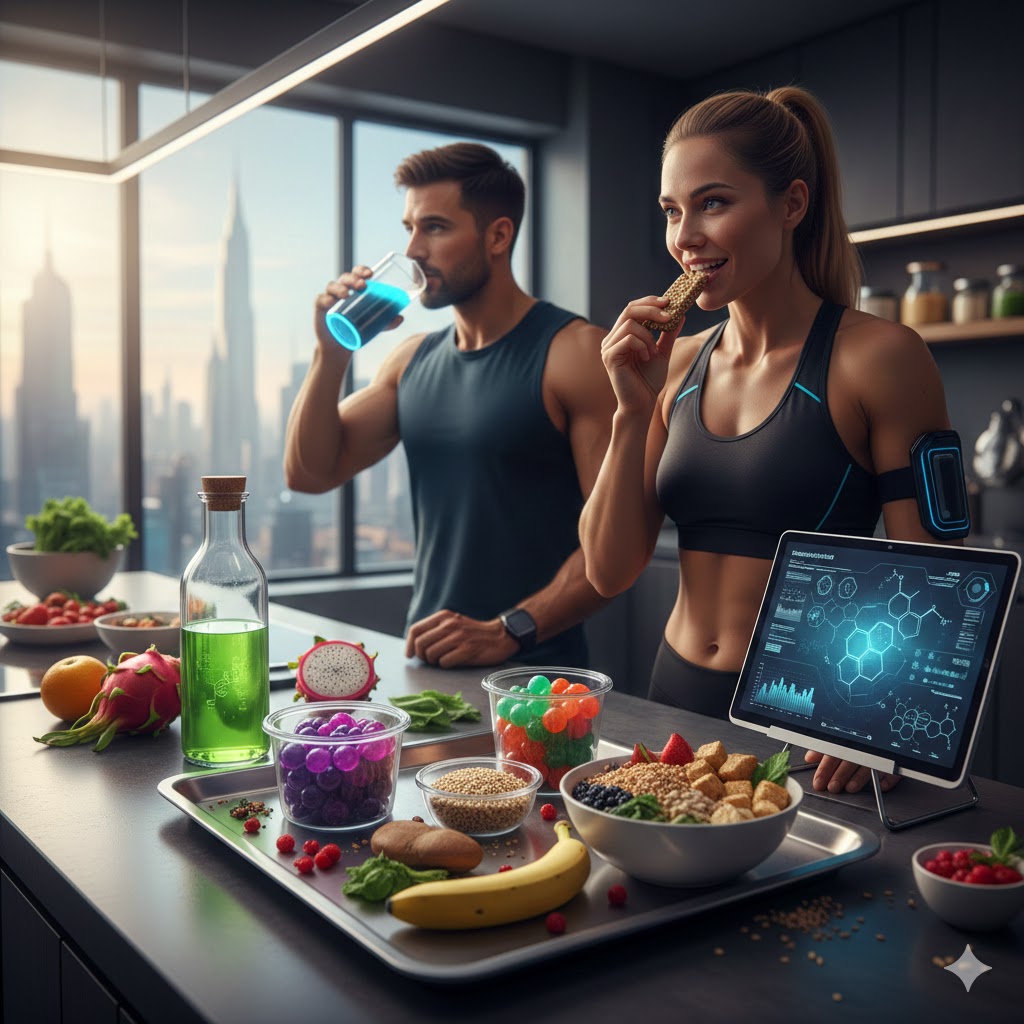
Sports Nutrition Trends 2026 — What Athletes Are Eating
Sports nutrition in 2026 looks very different than it did just a few years ago. The days of one-size-fits-all meal plans and supplement stacks are fading fast. In their place is a smarter, more personalized approach that blends science-backed nutrition with practical, real-world habits.
What’s especially interesting is that many of these trends aren’t just for professional athletes anymore. College players, serious recreational athletes, and even weekend warriors are adopting the same principles to improve performance, recovery, and long-term health.
Let’s break down the biggest sports nutrition trends shaping 2026 — and what they actually mean for athletes at every level.
Personalized Nutrition Is Now the Standard
If there’s one defining trend in 2026, it’s individualization.
Elite athletes have led the way here, using blood panels, metabolic testing, and even DNA insights to fine-tune nutrition plans. But scaled-down versions of this approach are now accessible to everyday athletes as well.
Instead of following generic diets, athletes are asking smarter questions:
- How do I respond to carbohydrates?
- What foods trigger inflammation for me?
- How quickly do I recover after intense training?
The result is fewer extremes and more precision. Athletes are eating for their bodies, not trends.
Why it matters: Better energy levels, fewer digestive issues, and more consistent performance.
Protein Gets Smarter (Not Just Bigger)
Protein remains the foundation of athletic nutrition, but the conversation has matured.
Rather than “more protein at all costs,” athletes in 2026 are focused on:
- Quality
- Timing
- Digestibility
What’s trending:
- Lean animal proteins (grass-fed beef, pasture-raised poultry, wild fish)
- High-quality plant proteins (pea, rice blends, fermented options)
- Hybrid approaches that mix both
Post-workout protein timing still matters, but athletes are also emphasizing even distribution throughout the day, which research shows improves muscle synthesis.
For everyday athletes: You don’t need extreme shakes or mega doses. Consistent, quality protein across meals works better long term.
Recovery Nutrition Takes Center Stage
Training breaks you down. Nutrition builds you back up.
In 2026, recovery-focused eating is just as important as pre-game fueling. Athletes are prioritizing foods that reduce inflammation, support tissue repair, and stabilize hormones.
Common recovery staples:
- Omega-3-rich foods (salmon, sardines, flax)
- Tart cherry juice for muscle soreness
- Collagen paired with vitamin C for joint health
- Magnesium-rich foods for sleep and muscle function
Sleep nutrition has also grown in importance. Many athletes are timing meals and micronutrients specifically to improve sleep quality — one of the most powerful recovery tools available.
Big takeaway: Recovery isn’t passive anymore. It’s planned.
Mental Performance Nutrition Is No Longer an Afterthought
Athletes are finally treating the brain like the performance engine it is.
Cognitive sharpness, focus, reaction time, and emotional regulation all respond to nutrition. In 2026, mental performance diets are standard at the elite level and increasingly popular everywhere else.
Foods and nutrients getting attention:
- Omega-3 fatty acids for brain health
- Creatine for cognitive endurance (not just muscle)
- B vitamins for nervous system support
- Stable blood sugar to prevent mental crashes
Rather than chasing stimulants, athletes are focusing on calm, sustained energy.
Why this matters: Mental mistakes lose games just as often as physical fatigue.
Gut Health Goes Mainstream
A healthy gut affects energy absorption, immune response, inflammation, and even mood. That’s why gut health is one of the fastest-growing sports nutrition focuses in 2026.
Athletes are cutting back on foods that cause bloating or distress and adding more gut-friendly options:
- Fermented foods (yogurt, kefir, kimchi)
- Prebiotic fibers from fruits and vegetables
- Simpler ingredient lists
Many pros now travel with gut-support routines to maintain consistency on the road.
For everyday players: Fewer stomach issues mean better workouts, better sleep, and better consistency.
Supplements: Fewer, Better, Smarter
Supplement use hasn’t disappeared — it’s just become more selective.
Athletes are moving away from “kitchen sink” supplement stacks and toward evidence-backed essentials. Transparency, third-party testing, and clean sourcing matter more than ever.
Supplements still earning trust:
- Protein powders (clean, minimal ingredients)
- Creatine monohydrate
- Electrolytes (especially for heat and endurance)
- Vitamin D (when deficient)
What’s fading:
- Overstimulating pre-workouts
- Proprietary blends with vague labeling
- Influencer-driven miracle products
Balanced reality: Supplements can help — but they don’t replace good food.
Hydration Is More Strategic Than Ever
Hydration in 2026 goes far beyond “drink more water.”
Athletes now focus on:
- Electrolyte balance
- Sodium intake based on sweat rate
- Hydration timing before, during, and after activity
This is especially important in endurance sports, outdoor training, and high-heat environments.
Many everyday athletes underestimate how much hydration affects:
- Muscle cramps
- Energy dips
- Recovery time
Simple fix: Water plus electrolytes beats water alone for active people.
Real Food Makes a Comeback
One of the most encouraging trends is the renewed emphasis on real, whole foods.
After years of ultra-processed performance products, athletes are rediscovering that simple meals often work best:
- Rice, potatoes, oats
- Lean meats and fish
- Fruits and vegetables
- Healthy fats
Convenience still matters, but athletes now view processed sports foods as tools — not foundations.
Bottom line: Performance nutrition doesn’t have to be complicated to be effective.
What This Means for the Average Athlete
You don’t need a professional nutritionist or elite budget to benefit from these trends.
If you play sports, train regularly, or simply want to feel better:
- Eat consistently
- Prioritize protein and recovery
- Hydrate smarter
- Sleep better
- Be skeptical of hype
The best nutrition plan in 2026 isn’t extreme — it’s sustainable.
Final Thoughts
Sports nutrition in 2026 is smarter, calmer, and more individualized than ever before. Elite athletes may lead the charge, but the lessons apply to everyone who wants to perform better and feel healthier.
The biggest shift isn’t what athletes are eating — it’s how they’re thinking about food.
Less obsession.
More intention.
Better results.