
What Really Makes a World-Class Soccer Goalkeeper
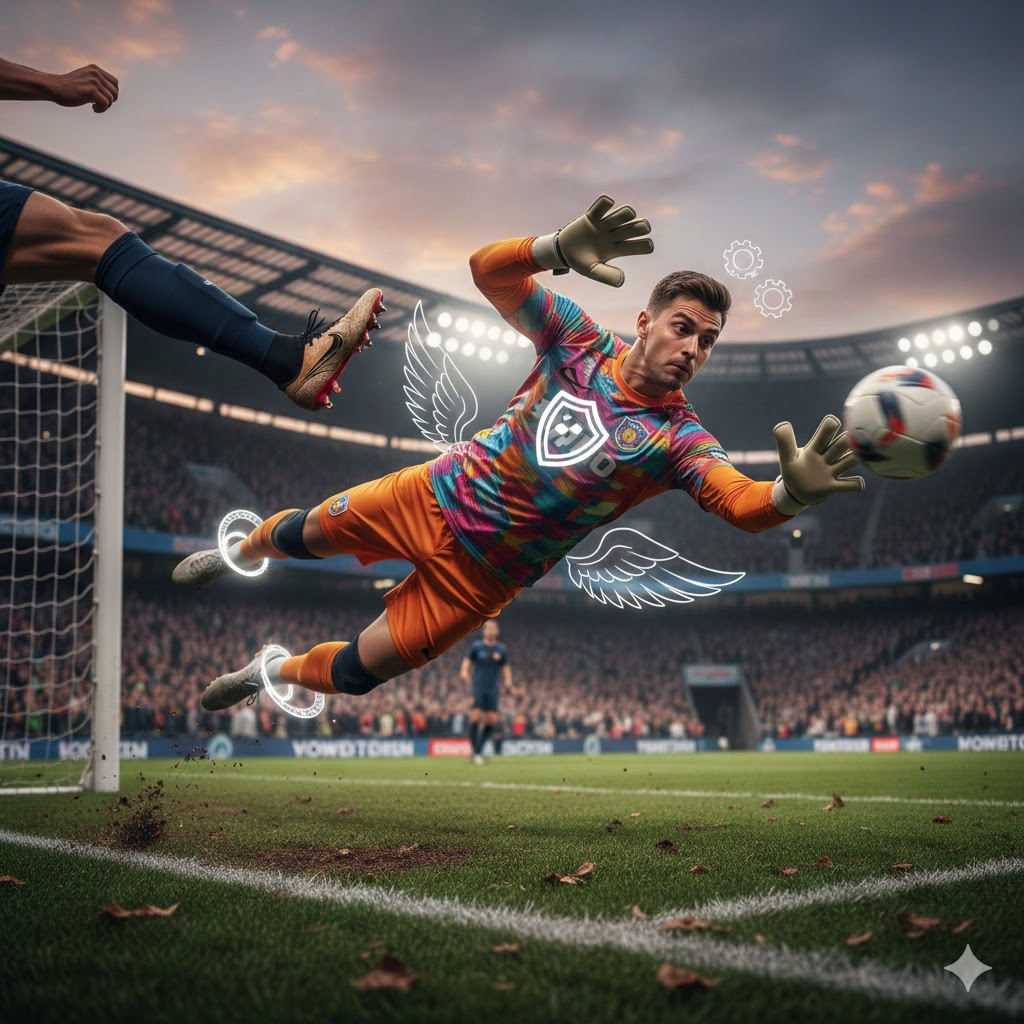
What Really Makes a World-Class Soccer Goalkeeper
The Traits That Separate the Elite
Every kid wants to score the winning goal.
Very few want to stand alone in front of it.
And yet, the difference between a good team and a championship team often comes down to one position — the soccer goalkeeper.
Not just any keeper.
A world-class soccer goalkeeper.
So what actually separates the elite from the average? It’s not just reflexes. It’s not just height and it’s definitely not just highlight-reel saves.
I see it as more of a combination of physical skill, tactical intelligence, mental toughness, and leadership that most fans never fully see.
Let’s break it down.
Elite Shot-Stopping Is Just the Beginning
Yes, reflexes matter.
A world-class soccer goalkeeper must react in fractions of a second. Close-range shots. Deflections. Screens. One-on-ones.
Elite shot-stopping isn’t random athleticism.
It’s positioning.
Top keepers reduce angles before the shot even happens. They read body shape. They anticipate passing lanes.and adjust footwork constantly.
The best ones make difficult saves look routine because they’re already in the right place.
That’s not luck.
That’s preparation and awareness.
Command of the Penalty Area
Great goalkeepers don’t just react — they control space.
Crosses. Corners. Set pieces.
A world-class soccer goalkeeper owns the penalty box. They decide when to punch, when to catch, and when to stay home.
Hesitation is deadly.
The elite keepers make decisions early and commit fully.
That decisiveness builds confidence across the back line. Defenders play differently when they trust the voice behind them.
That trust matters.
Distribution in the Modern Game
This is where the position has evolved dramatically.
Today’s world-class soccer goalkeeper isn’t just a shot-stopper — they’re the first playmaker.
Short build-up passing. Long diagonals. Breaking high presses. Quick throws to launch counterattacks.
In many tactical systems, the goalkeeper becomes an extra field player during possession.
If you can’t distribute under pressure, you can’t play at the highest level anymore.
That shift has separated traditional keepers from modern elite ones.
Mental Strength Under Isolation
This might be the most underrated trait.
A striker can miss three chances and still score the winner.
A goalkeeper can play flawlessly for 89 minutes — and one mistake defines the night.
That pressure is different.
World-class soccer goalkeepers develop emotional control that borders on surgical. They reset quickly. They don’t spiral.and don’t overcorrect.
Because at that position, doubt spreads faster than momentum.
The elite stay calm when the stadium isn’t.
Leadership and Communication
Watch a top goalkeeper closely and you’ll notice something:
They rarely stop talking.
Organizing the defensive line. Calling out runners. Directing traffic on set pieces. Adjusting shape during transitions.
A world-class soccer goalkeeper sees the entire field. They have a panoramic view that outfield players don’t.
That perspective makes them defensive quarterbacks.
Silence from a goalkeeper is a red flag. Authority is required.
Big-Game Performance
Some players shrink under global pressure.
World-class goalkeepers grow.
Penalty shootouts. Knockout stages. Rivalry matches. Finals.
These are the moments that define legacies.
The best keepers don’t just make saves — they make timely saves.
And there’s a difference.
One changes the scoreline. The other changes history.
Physical Traits Still Matter
Of course, physical attributes play a role.
Height helps with reach. Wingspan helps with extension. Explosiveness helps with recovery saves.
But physical tools alone don’t create a world-class soccer goalkeeper.
Plenty of tall, athletic keepers never reach elite status.
Because the mental and tactical components matter just as much.
Sometimes more.
The Intangibles You Can’t Measure
Here’s something that rarely shows up in analytics:
Presence.
Certain goalkeepers make attackers hesitate. They close space aggressively. They project confidence which imposes psychological pressure.
That aura can’t be taught easily.
It’s built through repetition, resilience, and big-stage experience.
And when you see it, you know.
Why the Position Is So Demanding
The soccer goalkeeper lives in extremes.
Long stretches of inactivity.
Sudden bursts of chaos.
Isolation.
Blame.
Hero moments.
There is no gradual rhythm.
That’s why the world-class ones are rare.
They must combine:
- Reflexes
- Tactical awareness
- Communication
- Ball distribution
- Emotional control
- Big-game composure
Miss one of those pieces, and the ceiling lowers quickly.
Final Thoughts
Scoring goals wins matches.
Preventing them wins tournaments.
A world-class soccer goalkeeper isn’t just the last line of defense — they’re the foundation of belief.
They calm panic.and organize structure. They turn potential losses into narrow victories.
While they may not always dominate highlight packages, they dominate outcomes.
That’s what truly separates the elite.