
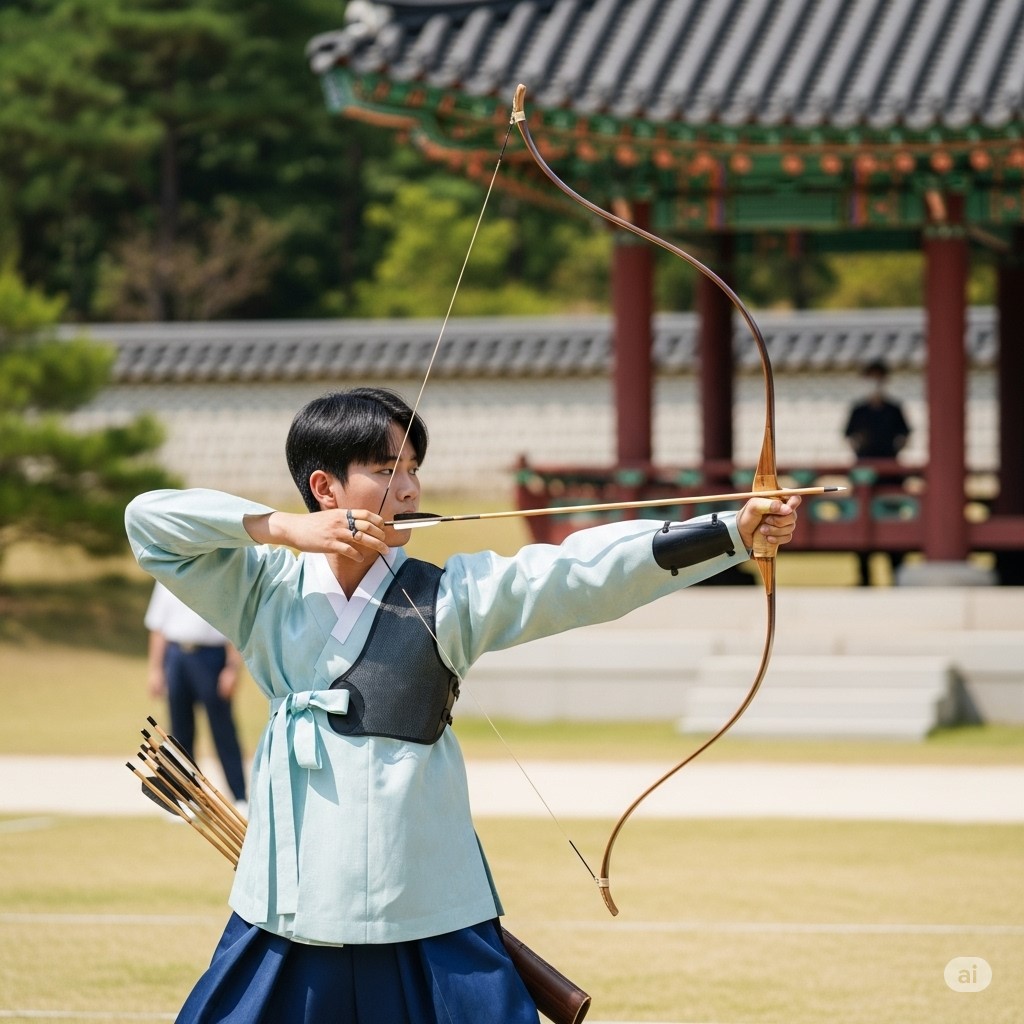
Gungdo: A Legendary Sport Bridging Heritage, Discipline, and Modernity
Gungdo, also known as Korean traditional archery, is a martial art rooted in centuries of history. It has become a symbol of honor, precision, and cultural pride. While it remains deeply tied to Korean tradition, it is practiced across continents and embraced by many communities. In recent years, its global presence has grown. Enthusiasts, both young and old, engage in Gungdo to develop discipline, focus, and strength. As interest rises, the sport attracts amateur and professional athletes alike.
The Historical Origin of Gungdo
The origins date back to ancient Korean kingdoms, notably the Three Kingdoms period (57 BC to 668 AD). During this time, archery served both military and ceremonial roles. Warriors trained in mounted archery to protect their kingdoms and showcase elite skill.
By the Goryeo Dynasty (918–1392), archery evolved as a noble pursuit. It gained importance in military exams and was considered essential for leadership. The Joseon Dynasty (1392–1897) refined the practice further. Kings and generals endorsed Gungdo as a moral and physical discipline. Confucian ideals guided its teaching, emphasizing respect and virtue.
Despite Western influence and colonization in the 20th century, Gungdo survived cultural suppression. After Korea’s liberation in 1945, the sport experienced a revival. Archery ranges reopened. Masters began training a new generation. Today, these traditions remain central to Gungdo practice.
Gungdo’s Global Expansion and Popularity
Although it originated in Korea, its influence now extends beyond Asia. Korean cultural centers, martial arts schools, and embassies promote Gungdo around the globe. Countries like the United States, Canada, Germany, and Australia host Gungdo clubs.
Social media and documentaries have also fueled interest. Videos showcasing ceremonial archery and competitions draw millions of views. Viewers admire the elegance of the sport and its deep symbolism. This media exposure has led to international workshops and cultural exchange programs.
In Japan, some practitioners combine Gungdo with Kyudo, exploring similarities between the traditions. In the United Kingdom, universities and martial arts academies include Gungdo in their curriculum. Even in non-Asian communities, its meditative aspects appeal to mindfulness seekers.
Amateur and Youth Participation in Gungdo
It is not limited to elite athletes. Many young students take it up as an extracurricular activity. Schools in South Korea often offer archery clubs where students learn Gungdo fundamentals.
Outside Korea, Korean cultural associations organize summer camps and weekly training sessions. These programs introduce youth to traditional attire, etiquette, and techniques. Emphasis is placed on character development, not just physical ability.
In the United States, amateur Gungdo groups meet in community centers. Parents and children often practice together. Competitions encourage friendly rivalry and reward perseverance. Canada hosts youth tournaments that promote teamwork and cultural understanding.
Amateur adult practitioners also thrive. Many seek Gungdo as a stress-relieving alternative to conventional sports. Practicing archery in a quiet range helps focus the mind. The sport also fosters community bonds. Local ranges often become social hubs for practitioners.
Professional Gungdo Leagues Around the World
Though Gungdo lacks the commercial scale of mainstream sports, several professional leagues operate internationally. The Korean Traditional Archery Association (KTAA) governs most domestic events. Their league system includes seasonal tournaments, rankings, and mentorship programs.
Professional tournaments are held in Seoul, Busan, and Jeonju. Top archers gain national fame. Some receive government grants and train full-time. These athletes often appear in cultural showcases and national celebrations.
In the United States, the American Gungdo Association (AGA) organizes regional competitions. These events bring together both Korean-American and non-Korean athletes. Winners earn the chance to compete in Korea. This builds cross-cultural relationships and improves skills.
Germany’s Martial Heritage League includes a division dedicated to Gungdo. Athletes compete using traditional bows, following Korean protocol. Judges are certified by Korean masters to maintain authenticity. Australia and New Zealand also maintain growing professional communities.
Political and Social Significance of Gungdo
Gungdo carries profound meaning beyond sport. In Korea, it symbolizes resilience and national pride. During the Japanese occupation (1910–1945), practicing Gungdo was an act of resistance. It preserved Korean identity in the face of oppression.
Today, the sport is celebrated in national festivals. Events like the Jeonju Hanok Village Archery Day attract thousands. Government leaders participate to promote heritage. Gungdo often appears in state-sponsored media, reinforcing national pride.
Socially, Gungdo encourages intergenerational bonding. Grandparents teach grandchildren. Elders receive respect as they pass down knowledge. The sport bridges generational gaps and unites communities.
For Korean diaspora communities, Gungdo becomes a cultural anchor. Practicing the sport helps preserve language, rituals, and customs. Youth grow up with a tangible link to their heritage. This reduces cultural alienation and fosters confidence.
Outside Korea, it serves as a soft diplomacy tool. Korean embassies host events to build goodwill. Practicing Gungdo promotes dialogue between nations. It showcases Korea’s peaceful values and artistic traditions.
Rules and Equipment in Gungdo
It involves strict rules to ensure safety and fairness. Matches occur in designated ranges, often outdoors. Participants wear traditional hanbok or modern athletic uniforms.
The primary equipment includes the gakgung, a traditional Korean horn bow. It is shorter than Western bows but extremely powerful. Archers also use bamboo arrows with feather fletching. Each arrow is custom-made and numbered.
Before shooting, archers bow to the range and their opponent. This gesture shows respect. Matches typically include 5 to 10 arrows per round. Scoring depends on distance and accuracy. Targets feature concentric circles marked with values.
In professional leagues, distances range from 145 to 180 meters. Amateur events may use 60 to 100 meters. A perfect shot lands in the bullseye, earning maximum points. Ties are broken with a final shot at a smaller target.
Rules also govern behavior. Archers must remain silent and focused. Disruptive conduct results in penalties or disqualification. Referees enforce regulations and ensure fairness.
Beyond shooting, Gungdo includes ceremonial elements. Practitioners salute flags and elders. Rituals such as arrow offering and bow cleansing are performed before events. These customs deepen the sport’s spiritual dimension.
Conclusion
Gungdo continues to inspire new generations. Its balance of tradition and athleticism attracts people from diverse backgrounds. As the sport grows internationally, it remains anchored in Korean heritage. Youth, amateurs, and professionals unite under the same values of discipline and respect.
Global leagues, youth programs, and cultural exchanges help spread its philosophy. Gungdo has proven to be more than a martial art. It is a path to personal growth and intercultural connection. In a world often divided, Gungdo offers unity through shared values and purpose.