The Sports Collectible Industry: From Nostalgia to Billion-Dollar Business
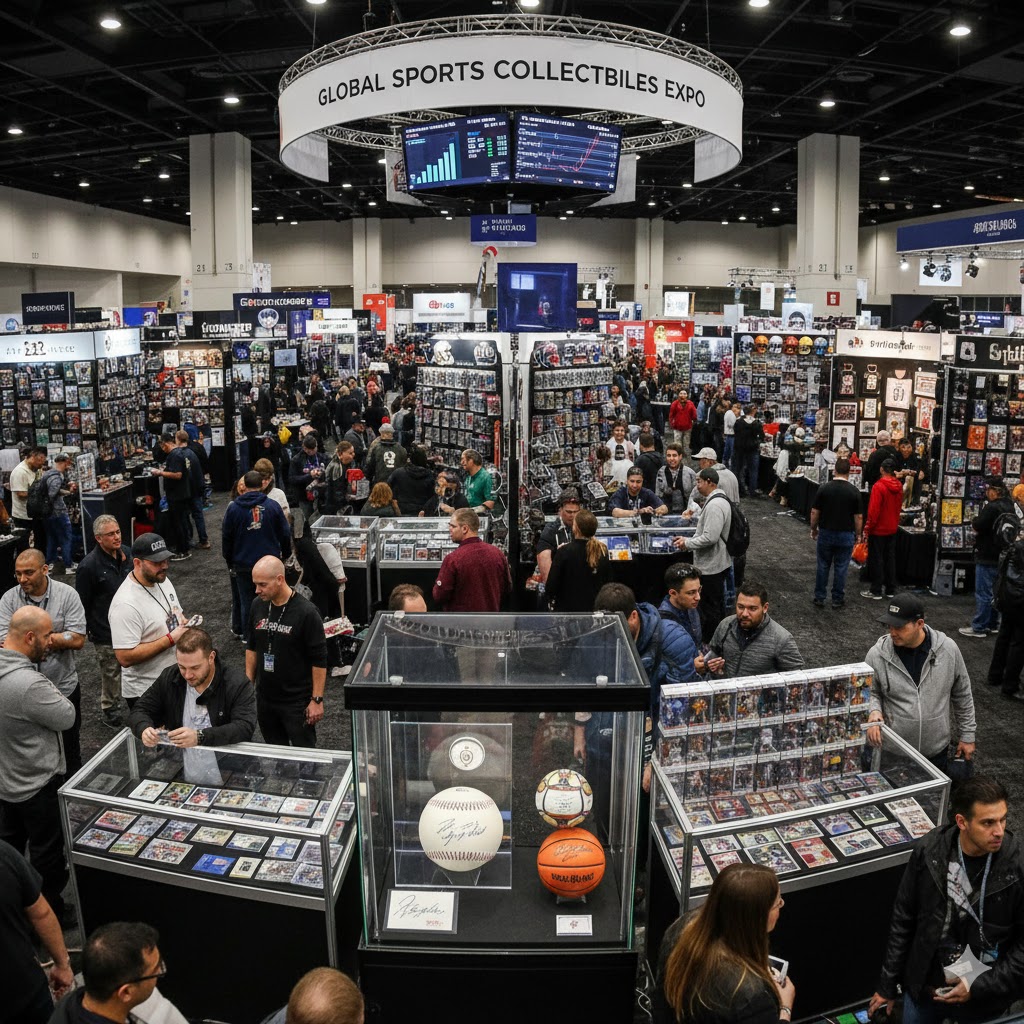
The Sports Collectible Industry has become one of the most fascinating and profitable markets in modern culture. Once driven by childhood memories and team loyalty, it now stands as a global business worth billions. From baseball cards to game-worn jerseys, this industry thrives on emotion, rarity, and history. Collectors around the world compete to own a piece of sports heritage, while investors view collectibles as alternative assets with real growth potential. Understanding how the Sports Collectible Industry evolved, expanded, and continues to innovate is essential for anyone interested in sports, business, or culture.
The Origins and Early History of the Sports Collectible Industry
The roots of the Sports Collectible Industry trace back to the late 19th century. Baseball cards were among the first sports-related items to be widely collected. In the 1880s, tobacco companies began inserting player cards inside cigarette packs. These cards served as marketing tools, encouraging repeat purchases. Early sets like the Old Judge and Allen & Ginter series introduced fans to a new form of connection with their favorite athletes.
By the early 1900s, companies such as the American Tobacco Company produced iconic sets that are still treasured today. The legendary Honus Wagner T206 card from 1909 remains one of the most famous and valuable collectibles in history. Its rarity, combined with Wagner’s decision to halt production due to opposition to tobacco, created an instant classic.
In the 1930s, the Goudey Gum Company continued the tradition, printing colorful baseball cards packaged with chewing gum. This move helped expand collecting beyond adults to children, embedding the hobby into American culture. By the 1950s, companies like Topps transformed card collecting into a mainstream pastime. Topps introduced yearly sets, detailed player statistics, and high-quality photography, creating a model still used today.
Collecting extended beyond cards as fans sought autographs, programs, and equipment. Signed baseballs, ticket stubs, and vintage jerseys became prized possessions. Each item told a story — a record-breaking game, a championship moment, or a beloved player’s milestone.
Global Expansion and Mainstream Popularity
Although the Sports Collectible Industry began in the United States, it quickly expanded worldwide. In Canada, hockey cards gained massive popularity. Companies like O-Pee-Chee dominated the market in the 1960s and 1970s, producing cards that became national treasures.
In Europe, soccer collectibles took center stage. Sticker albums produced by Panini in Italy transformed football fandom. Fans of all ages collected and traded stickers featuring players from major clubs and international teams. The annual Panini World Cup albums became global traditions, connecting fans across continents.
Asia also embraced the collectible wave. Japan’s love for baseball sparked a massive card market led by companies like Calbee. In addition, cricket memorabilia grew in South Asia, where signed bats and match-used gear held sentimental and financial value.
Today, the Sports Collectible Industry thrives across all major sports. Basketball, football, soccer, hockey, and even esports now drive massive collector communities. With online marketplaces and global shipping, collectors can buy, sell, and trade with anyone, anywhere.
The internet revolutionized accessibility. Websites like eBay in the late 1990s allowed collectors to connect globally for the first time. Suddenly, a fan in New York could purchase a rare soccer jersey from London. Online forums and groups created communities that shared knowledge, authenticated items, and celebrated shared passions.
Categories of Sports Collectibles
The Sports Collectible Industry is incredibly diverse. Each category attracts unique types of collectors, investors, and enthusiasts. Understanding the main types helps newcomers find their niche and explore the aspects they enjoy most.
1. Sports Cards
Sports cards remain the backbone of the industry. Baseball cards may have started the trend, but basketball, football, hockey, and soccer cards now lead the market.
Modern cards come in various styles — base cards, inserts, parallels, autographed editions, and memorabilia cards containing pieces of jerseys or balls. Card grading services such as PSA and Beckett evaluate condition and authenticity, influencing value.
High-grade cards from stars like Michael Jordan, Tom Brady, or Lionel Messi can sell for thousands — even millions — at auction.
2. Game-Used Memorabilia
Collectors crave authenticity, and nothing is more authentic than gear used during an actual game. Items like bats, gloves, helmets, and shoes from iconic players are highly sought after.
Game-worn jerseys are particularly valuable because they connect directly to historic performances. Authentication from organizations like MLB or NFL ensures legitimacy, making these pieces both emotional and financial assets.
3. Autographs
Signed items bring a personal touch to collecting. Autographs on balls, photos, cards, or programs hold sentimental value. However, authentication is critical since forgeries are common. Certified signatures from reputable companies protect buyers and maintain value.
4. Vintage Equipment and Apparel
Vintage uniforms, hats, and footwear connect collectors to earlier eras. Items from the early days of sports reflect cultural and technological changes over time. For example, leather football helmets or wooden tennis rackets illustrate evolution while serving as decorative conversation pieces.
5. Event Memorabilia
Tickets, programs, and credentials from major sporting events are another thriving niche. Collectors often focus on specific moments like Super Bowls, World Series, or Olympic Games. Owning an original ticket from a legendary event adds historical weight to a collection.
6. Digital Collectibles and NFTs
In recent years, digital collectibles have emerged as the newest frontier. Blockchain technology allows for verified ownership of digital assets such as highlight clips or virtual trading cards. NBA Top Shot pioneered this concept, attracting both tech investors and sports fans.
Though the market has cooled, digital collectibles continue evolving and will likely play a long-term role in the industry’s future.
How to Get Started with Collecting
Starting a collection in the Sports Collectible Industry can be exciting and rewarding. However, it requires planning, research, and patience. Here’s a step-by-step approach for beginners.
Step 1: Choose a Focus
Begin by choosing a sport, player, or era that genuinely interests you. Passion drives collecting more than profit. Whether it’s baseball cards from the 1950s or signed basketballs from modern stars, focus helps guide your purchases and research.
Step 2: Learn the Market
Study pricing trends, grading scales, and authenticity standards. Use online platforms like eBay, PWCC, or Heritage Auctions to monitor sale prices. Join collector communities on Reddit or Facebook to ask questions and gain insights.
Understanding market fluctuations prevents overpaying and helps identify undervalued opportunities.
Step 3: Start Small
Don’t rush into big purchases. Begin with affordable items that build experience and knowledge. Early mistakes are less costly, and small wins increase confidence. Collecting should be enjoyable, not stressful.
Step 4: Verify Authenticity
Always confirm that items are genuine. Use certified authentication services for autographs and memorabilia. For cards, ensure they’re graded by trusted organizations. Documentation is essential for maintaining value and trust.
Step 5: Protect and Display Your Collection
Proper storage preserves quality. Use acid-free sleeves, top loaders, and display cases. Avoid exposure to sunlight or humidity. A well-kept collection not only looks better but also retains value over time.
Step 6: Stay Informed
The Sports Collectible Industry evolves constantly. Follow news from major grading companies, auction houses, and industry publications. Trends can shift quickly based on athlete performance, anniversaries, or pop culture influences.
How People Earn Income in the Sports Collectible Industry
Many people begin collecting for fun, but some turn it into a business. The Sports Collectible Industry offers multiple paths for generating income.
1. Buying and Selling Collectibles
The simplest and most common method is buying low and selling high. Successful sellers research markets and time their sales strategically. For example, a rookie card might increase in value after a breakout season.
Collectors who understand demand trends can profit significantly by buying early and selling when hype peaks.
2. Investing in High-Value Items
Some investors treat collectibles like stocks or real estate. They purchase rare cards or memorabilia with long-term appreciation potential. Limited-edition items, historical pieces, and rookie cards of rising stars often gain value over years.
Professional investors even use portfolio diversification strategies, allocating part of their wealth to collectibles to hedge against inflation and market volatility.
3. Running a Sports Collectibles Store
Brick-and-mortar shops and online stores remain popular. Owners sell cards, autographs, and memorabilia while building local communities of collectors. Many also host events, trade nights, and autograph signings to attract customers and create loyalty.
4. Online Content Creation
Some enthusiasts earn income by producing content. YouTube channels, podcasts, and blogs about card breaks, market analysis, and collecting tips attract sponsorships and ad revenue. Social media influencers in this niche often receive brand deals from grading companies or retailers.
5. Hosting or Participating in Card Breaks
“Card breaks” involve opening sealed boxes live on video and selling spots to participants who receive random cards. It combines entertainment, community, and commerce. Many hobbyists have built thriving businesses streaming breaks on YouTube, Twitch, or Instagram.
6. Working in Authentication or Appraisal
Experts who can authenticate or appraise collectibles are always in demand. These professionals help prevent fraud and ensure transparency in sales. Gaining certification through established organizations can lead to steady income.
7. Auctions and Consignment Services
Auction houses and consignment sellers earn commissions by helping others sell valuable items. With proper marketing and global reach, they connect high-end collectors and investors seeking exclusive pieces.
The Future of the Sports Collectible Industry
The Sports Collectible Industry continues to evolve rapidly, shaped by technology, globalization, and changing fan behavior. The next decade promises even more transformation.
Digital and Blockchain Integration
Digital collectibles will expand through blockchain verification. This technology ensures authenticity and tracks ownership transparently. It also allows fractional ownership, where investors can buy shares of high-value items. This concept opens doors for smaller investors to participate in elite markets.
Artificial Intelligence and Data Analytics
AI will enhance pricing accuracy and market prediction. Algorithms can analyze historical sales, player performance, and collector demand to forecast values. Platforms will offer real-time data, helping buyers make smarter decisions.
Sustainability and Ethical Collecting
As awareness of environmental and ethical issues grows, the industry may emphasize sustainable production and fair trade practices. Eco-friendly packaging, digital alternatives, and transparent sourcing will attract conscious consumers.
Increased Global Participation
Emerging markets in Asia, South America, and Africa are fueling new growth. Soccer, cricket, and basketball are creating passionate fan bases eager to collect and invest. Global shipping and online marketplaces make participation easier than ever.
Crossover with Pop Culture
The line between sports and entertainment continues to blur. Collaborations between sports brands, artists, and celebrities will produce crossover collectibles appealing to wider audiences. Limited editions combining music, fashion, and athletics will become major trend drivers.
Growth in Women’s Sports
As women’s sports gain visibility and popularity, collectibles from female athletes are expected to rise in demand. Stars from basketball, soccer, and tennis already command strong fan bases eager to celebrate their achievements.
Enhanced Fan Experiences
Virtual reality and augmented reality could change how collectors experience their items. Imagine using AR to view a 3D replay of a game tied to your collectible. Interactive technology will make ownership more engaging than ever.
Challenges Facing the Industry
Despite its growth, the Sports Collectible Industry faces challenges. Market bubbles, counterfeiting, and short-term speculation can create instability. Educating collectors and enforcing authentication remain top priorities.
Transparency between sellers and buyers builds trust and ensures longevity. Regulatory discussions around NFTs and digital ownership will also shape the industry’s structure in coming years.
Economic uncertainty can influence discretionary spending. However, collectibles often perform well during downturns because of their tangible and nostalgic value. The emotional connection between fans and their items provides resilience against purely financial market pressures.
Why the Sports Collectible Industry Endures
At its heart, collecting is about connection. Every card, jersey, or ticket represents a memory — a thrilling game, a legendary athlete, or a shared family moment. The Sports Collectible Industry endures because it merges emotion with investment. Fans cherish history while investors see opportunity.
Technology may change how people collect, but the core motivation remains timeless: the joy of owning something meaningful. From a child’s first pack of trading cards to a millionaire’s rare auction win, every collector shares the same thrill.
The Sports Collectible Industry continues to grow because it balances nostalgia with innovation. It unites fans across generations, celebrates athletic achievement, and turns passion into profit. Whether you collect for fun, investment, or both, there’s never been a better time to join this incredible world of sports treasures.
Radtke Sports is a leader in sports memorabilia as well as other memorabilia for all of you collectors out there. Use coupon code FALL10 at checkout to save 10% on all purchases until 11/7/25. Click on the button below now!