
The Complete Guide to Quadball: History, Global Play, Rules, and Cultural Impact
The sport of Quadball continues to grow with impressive speed, and its unique blend of athleticism and strategy draws new players each year. This fast-paced game stands out because it mixes creativity, teamwork, and inclusiveness. Many athletes from different backgrounds join the community because it welcomes everyone. Players also appreciate the strong culture that has developed around the sport. Since the early days, it has expanded far beyond its original fan base.
Origins and Early Development
The roots of the sport trace back to a creative start. A group of college students wanted a new athletic experience and pushed for a game that combined imagination with intense physical play. Their efforts led to the first organized matches. Early players shaped the rules through trial, error, and constant revision. Growth followed quickly as more schools adopted the game.
Interest rose because the sport offered something fresh. Many athletes wanted competition that demanded speed, strategy, and coordination. Community members built the sport step by step. Clubs formed. Tournaments appeared. Conversations spread across campuses. Each new location added its own flavor.
Initial matches happened informally. Small groups gathered on fields and used improvised equipment. Enthusiasm kept rising. As more players joined, the rules became unified. This shift allowed regional events to develop. Standard guidelines improved fairness and safety. Soon, the game reached audiences beyond college communities.
Expansion into Organized Play
Organized play accelerated once college clubs created official structures. Student leaders scheduled games, trained referees, and shaped the competitive scene. Their dedication helped the sport gain recognition. Meanwhile, interest grew in local communities outside campuses.
New leagues emerged. Each league introduced tournaments with clear schedules. These events helped raise athletic standards. Teams began practicing more often. Coaches adjusted strategies and trained with higher expectations. Many universities noticed the popularity and supported club growth.
Volunteers also played an important part. They guided events, arranged travel, and taught new players. Their efforts created stability. As a result, national associations formed. These groups built rulebooks, ranking systems, and championship guidelines. Continued improvement pushed the sport into global visibility.
Global Popularity and Worldwide Presence
Today, players compete on nearly every continent. Participation spans North America, Europe, South America, Asia, Africa, and Oceania. Each region contributes its own style. Different climates and playing surfaces influence tactics. However, the game flows smoothly because the core rules remain consistent.
Interest in Europe expanded earlier than many expected. Clubs appeared in major cities. Later, countries organized national championships. These events attracted athletes from other sports who appreciated the fast pace. Many spectators were impressed by the intensity. Crowds grew. Media attention followed.
Across North America, tournaments draw many teams. Cities host multi-day competitions that attract hundreds of players. Local leagues practice year-round. Indoor facilities help teams train during winter. Summer tournaments unite teams from several states.
South American groups added flair to the sport. Their athletes brought high-energy movement and strong agility. Many teams developed creative tactics that influenced play everywhere. Growth in Asia followed next. Schools and community centers noticed the sport and created leagues. Youth groups embraced the inclusive environment. Teachers supported the game because it encouraged cooperation.
Oceania also built a strong community. Athletes there combined endurance with physical strength. International teams now travel often to compete in major events. This cooperation helps unify the sport globally.
Amateur Play Across the World
Amateur leagues form the foundation of the sport. These programs welcome athletes of all skill levels. Many new players start in recreational divisions. Volunteers teach beginners the basic strategies. Practices focus on passing, defensive structure, and safe contact.
Youth programs continue to grow. Coaches adjust rules for younger players. They use lighter equipment. Contact rules are softened. Children enjoy the teamwork and movement. Schools introduce the game in physical education classes. Students learn strategy and communication. Many continue playing in community leagues.
High school clubs appear in more regions each year. Teachers sponsor teams. Students practice after class. Weekend tournaments create excitement within districts. Rivalries develop. Friendly competition motivates players to improve.
College programs remain strong. Universities host large tournaments that draw teams from several states or countries. These events help shape national rankings. College athletes train multiple times each week. They study strategies from successful programs. Many continue playing after graduation because the community remains supportive.
Adult recreational leagues allow flexible participation. Players join teams based on experience. Some teams focus on fun. Others compete at a high level. Everyone contributes to the atmosphere. Teams often hold social gatherings. These events strengthen friendships and build networks.
Professional Leagues Around the Globe
Professional leagues elevate the sport to a new level. Several countries formed pro teams that train with strict schedules. Athletes use advanced conditioning programs. Coaches analyze film to develop strategies. Some teams employ specialized trainers for endurance, agility, and injury prevention.
North America hosts structured professional divisions. These leagues operate during set seasons. Teams represent major cities. Games take place in stadiums and multipurpose sports venues. Fans attend in significant numbers. Media coverage increases each season.
Europe also built professional structures. Players train intensely throughout the year. Many organizations offer developmental academies for younger athletes. These academies prepare them for professional play. Coaches emphasize technique, decision-making, and fitness. League championships attract thousands of spectators.
International tournaments bring professional teams from different countries together. These events showcase athletic excellence. Players demonstrate creativity, strength, and tactical intelligence. Many young athletes dream of joining these teams.
Professional leagues collaborate often. They share rule updates, training methods, and safety standards. This cooperation ensures worldwide consistency. Improvements in one region spread quickly. Coaches exchange ideas at conferences and workshops. Their partnership helps grow the sport responsibly.
Social and Political Significance
The sport holds deep meaning within many communities. From the beginning, inclusiveness shaped the culture. Teams often welcome people of all genders. Mixed-gender play remains a core value. This approach inspires athletes who want equality in sports. Supporters believe the sport sets a model for fairness.
Social programs use the sport to promote teamwork and respect. Community centers organize clinics in underserved areas. Children gain confidence through structured activities. Coaches teach leadership. Many programs focus on building positive habits. Participants learn communication and shared responsibility.
Universities highlight the sport during events that encourage unity. Students from different majors and backgrounds join the same team. This diversity strengthens the culture. People connect through shared goals. Clubs often create strong friendships that last beyond college.
Political discussions sometimes appear because of naming decisions, organizational choices, and public messaging. Leaders aim to reflect values that include fairness and open participation. Many organizations create guidelines that emphasize safety, equity, and respect. Their policies influence other sports groups.
Social media helps spread awareness. Players share experiences that highlight community values. Stories reach people worldwide. Many athletes speak about how the sport changed their lives. Their voices inspire newcomers and strengthen the culture.
Core Rules of Play
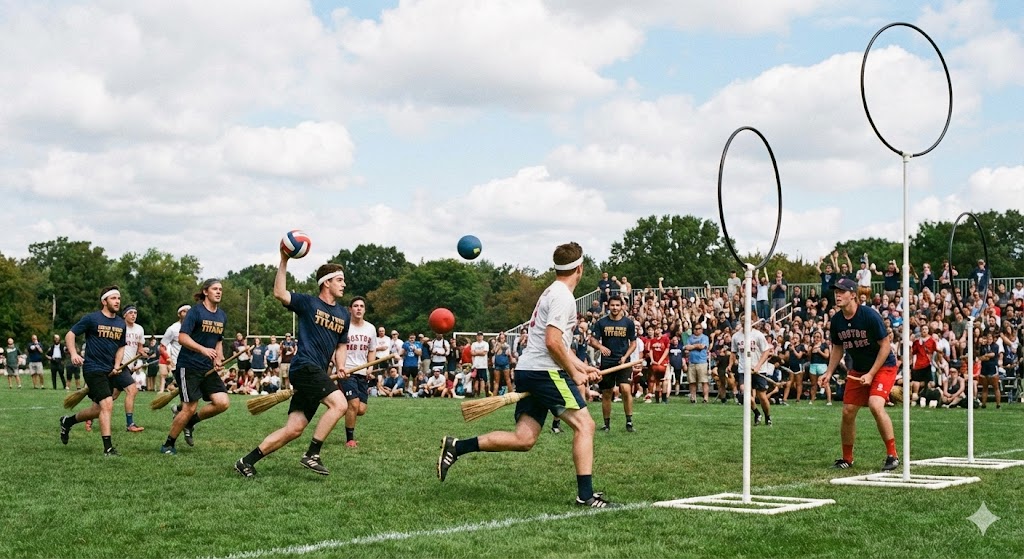
The rules of the sport create fast and exciting gameplay. Each team has several positions. Chasers move the ball down the field and attempt to score through hoops. Their quick passing helps create openings. Strong communication supports their success.
Keepers defend the hoops. They guide defensive movement. Their decisions influence the flow of the game. Many keepers also score when they see open paths.
Beaters control the rhythm of the game with special balls. Their throws disrupt opponents and create space for teammates. They monitor multiple players at once. Their awareness shapes every possession.
Seekers chase a designated player or object that awards significant points. Their role demands focus and agility. Their success can change the outcome of a match.
Players follow strict contact rules. Tackles require proper technique. Illegal moves receive penalties. Officials manage the game closely. Their training ensures safety.
Scoring occurs when chasers send the ball through hoops. Each hoop carries the same value. Quick transitions create many chances. Teams try to maintain pressure.
Games require strong endurance. Constant movement challenges athletes physically. Teams substitute regularly. Coaching strategy affects stamina and performance.
Penalties give opponents advantages. Players may need to leave the field briefly. Teams must adapt quickly. Smart decision-making helps reduce mistakes.
Matches continue until a final signal. Once time expires, the final objective determines the winner. Every role contributes to the team’s success.
Cultural Growth and Future Outlook
The sport’s culture continues to evolve. More people join each year. Communities unite around tournaments. Cities host festivals during major events. Players travel long distances to compete. Many enjoy the friendships forged along the way.
Innovation remains common. Coaches design new tactics. Equipment developers create better gear. Event organizers try new formats. Each improvement strengthens the sport.
Youth involvement keeps the future bright. Children learn teamwork and discipline. They gain a sense of belonging. Many continue playing into adulthood.
International cooperation expands yearly. Leaders work together to grow responsibly. Their collaboration ensures consistency. Shared goals help maintain stability.
Fans also play an important part. They attend games. They support teams on social media. Their enthusiasm encourages sponsors. Growth continues because the community remains strong.
Conclusion
The rise of Quadball shows how creativity and athleticism can blend into a powerful movement. Over time, the sport became a global phenomenon. Its structure continues evolving with every season. Communities embrace its inclusive spirit. Many players see lifelong benefits from participation. The future remains bright for athletes who choose this exciting sport. As more teams form worldwide, the impact will grow.