
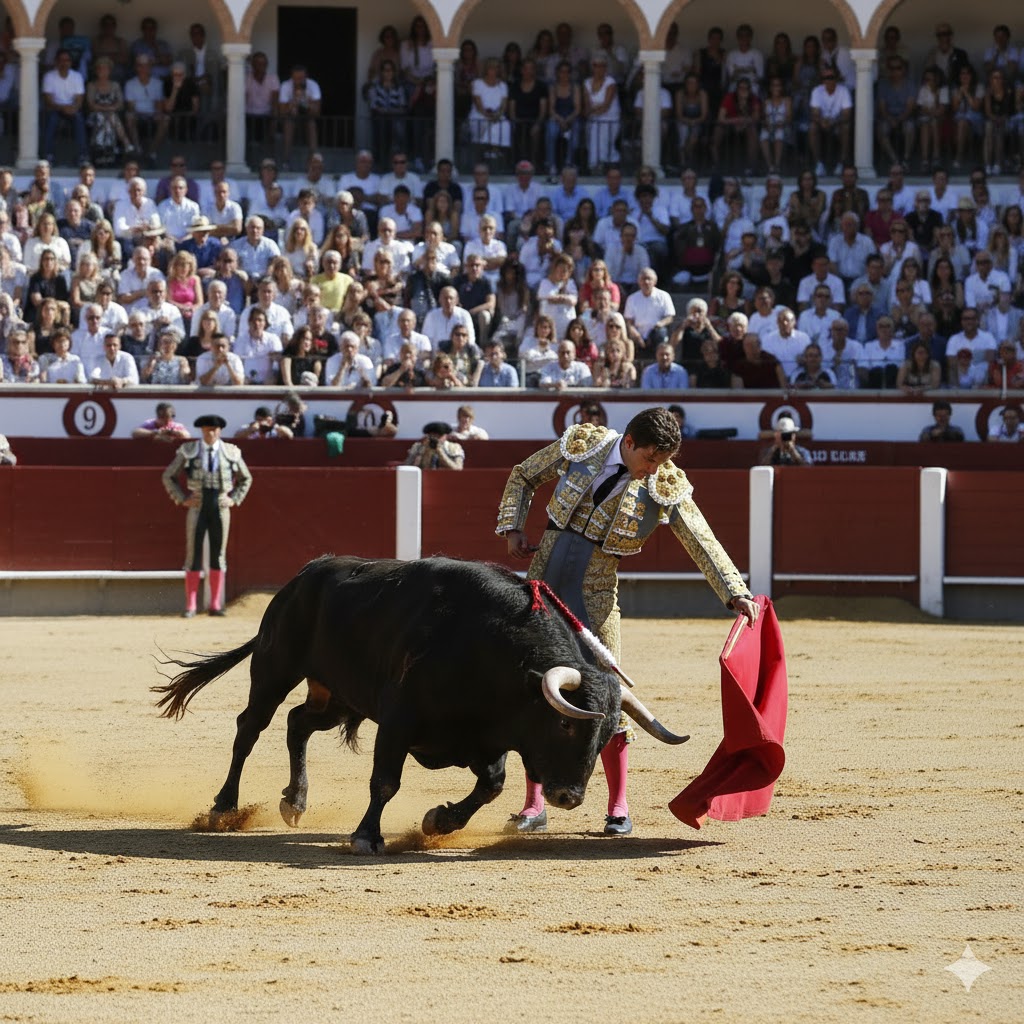
Bullfighting has long been one of the most controversial and culturally rich traditions in the sporting world. The sport blends ritual, danger, and artistry into a dramatic contest between human skill and animal strength. For centuries, it has captivated audiences across continents, sparking admiration and outrage alike. Understanding Bullfighting requires exploring its deep history, global reach, amateur and professional structures, political and social significance, and the intricate rules that govern it.
The Origins and Early History of Bullfighting
The roots of Bullfighting stretch back thousands of years. Ancient civilizations revered the bull as a symbol of power and fertility. Archaeological evidence from Crete shows frescoes depicting bull-leaping ceremonies as early as 2000 BCE. These rituals celebrated athleticism and courage rather than conquest.
As time passed, the concept of humans confronting bulls evolved. In ancient Rome, similar spectacles took place in grand arenas. Gladiators occasionally faced wild animals, including bulls, as part of the empire’s public entertainment. These events were precursors to modern Bullfighting, blending performance, bravery, and death.
The formal structure of Bullfighting began in medieval Spain. During the 12th and 13th centuries, Spanish nobles showcased their horsemanship by spearing bulls from horseback. These events honored royal festivities and military victories. The contests emphasized chivalric ideals—courage, skill, and control over danger.
By the 18th century, the spectacle changed dramatically. Commoners, not nobles, began performing on foot. This shift created the modern style of Bullfighting known today—where matadors display both precision and artistry in close proximity to the bull. This transition democratized the sport and cemented its place in Spanish culture.
The Spread and Global Popularity of Bullfighting
Over the centuries, Bullfighting spread beyond Spain’s borders. As the Spanish empire expanded, the tradition traveled with it. Latin American countries such as Mexico, Colombia, Peru, and Venezuela developed their own passionate followings. Each region adapted the sport to its local customs and values.
Mexico became one of the most enthusiastic Bullfighting nations. The Plaza México, located in Mexico City, stands as the largest bullring in the world, seating over 40,000 spectators. Mexican matadors often rise to international fame, drawing massive crowds and media attention.
Portugal also embraced Bullfighting, though with notable differences. Portuguese Bullfighting, called tourada, focuses on skill and pageantry without killing the bull in the ring. This variation highlights the art of the contest rather than its lethal conclusion.
France, particularly in the southern regions such as Nîmes and Arles, maintains a vibrant Bullfighting tradition. French aficionados celebrate the cultural heritage tied to Spain while adapting it to their own sensibilities.
The sport’s reach extends beyond Europe and Latin America. In parts of Africa, including Morocco and Mozambique, colonial influences introduced Bullfighting-like events. Some regions transformed them into local festivals, blending Spanish influence with indigenous customs.
Today, Bullfighting remains most popular in Spain, Mexico, Portugal, and parts of France and South America. It continues to attract millions of spectators annually, especially during local festivals and national celebrations.
Amateur Bullfighting and Youth Training
Amateur Bullfighting offers a structured pathway for aspiring matadors. Many begin training at specialized schools called escuelas taurinas. These institutions, found across Spain, Mexico, and Portugal, teach not only technique but also tradition, discipline, and respect for the bull.
Students start young—often in their early teens. They first learn movement patterns, body control, and the symbolic meaning behind each gesture. Safety and animal awareness are central to early lessons. As students progress, they practice with younger or smaller bulls known as novillos.
In Spain, novilladas—amateur Bullfighting events—allow these trainees to showcase their developing skills before local audiences. Success in novilladas can lead to professional contracts or sponsorships. The atmosphere is both educational and competitive.
Schools such as the Escuela de Tauromaquia de Madrid and the Seville Bullfighting Academy produce many of the world’s renowned matadors. In Mexico, similar institutions nurture talent through mentorship and performance opportunities in smaller arenas.
Youth involvement extends beyond formal academies. Rural festivals often include symbolic Bullfighting displays using mock bulls or mechanical substitutes. These events preserve the cultural spirit while minimizing risk. They teach young participants respect for tradition and courage in performance.
Professional Leagues and Global Organizations
Professional Bullfighting operates through a complex network of leagues, circuits, and independent promoters. Spain’s professional circuit remains the most prestigious. It features a structured calendar running from March to October, culminating in major festivals like San Isidro in Madrid.
Matadors sign with promoters who manage their appearances, negotiations, and rankings. Earnings depend on reputation, skill, and audience appeal. The most celebrated matadors command enormous fees, drawing thousands of spectators per event.
In Mexico, professional Bullfighting thrives under organizations such as the Asociación Nacional de Criadores de Toros de Lidia. The country hosts numerous arenas, with events nearly every weekend during the season. Matadors often travel between Mexico and Spain, creating a shared professional network that spans continents.
Portugal’s professional scene centers around the forcados—teams of men who confront the bull barehanded at the end of each event. These performers add a unique and highly respected dimension to Portuguese Bullfighting. Their courage and teamwork symbolize community pride.
France organizes both traditional Spanish-style Bullfights and its regional course camarguaise, a non-lethal form emphasizing agility and escape rather than dominance. French regulatory bodies oversee safety, training, and event standards, maintaining public trust and continuity.
Across Latin America, professional Bullfighting maintains cultural and economic importance. Countries like Colombia, Ecuador, and Peru continue to host packed arenas despite growing opposition. Major events attract tourism, generate local revenue, and preserve longstanding traditions.
The Political and Social Significance of Bullfighting
Bullfighting occupies a complex space in modern society. Politically, it symbolizes cultural identity, national pride, and resistance to outside influence. In Spain, supporters often frame it as a cornerstone of heritage, linking it to art, music, and literature.
However, the sport also fuels political debate. Animal welfare advocates campaign vigorously against it, citing ethical concerns about cruelty and suffering. Several Spanish regions, including Catalonia and the Canary Islands, have banned Bullfighting. These bans sparked heated discussions about regional autonomy and national culture.
Governments in pro-Bullfighting regions defend the sport as intangible cultural heritage. They argue that its preservation sustains rural economies, traditional crafts, and tourism industries. The breeding of fighting bulls, known as toros bravos, supports thousands of jobs in agriculture and event management.
Socially, Bullfighting unites communities during festivals and holidays. Towns celebrate with music, parades, and local ceremonies. The bullring serves as both a social gathering space and a cultural stage. Generations attend together, passing down shared traditions.
Art and literature further reinforce Bullfighting’s social significance. Writers like Ernest Hemingway immortalized the spectacle in works such as Death in the Afternoon, portraying it as a metaphor for human courage and mortality. Painters including Francisco Goya and Pablo Picasso drew inspiration from its emotional intensity.
Yet, as society evolves, Bullfighting faces growing scrutiny. Urban populations increasingly reject it, while rural areas defend its legacy. This tension reflects broader global debates about tradition versus modern ethics. The discussion continues to shape laws, art, and public opinion.
The Rules and Structure of Bullfighting
Modern Bullfighting follows a strict structure known as the corrida de toros. Each event features three matadors, each confronting two bulls. The spectacle unfolds in three distinct stages, or tercios, each with its own purpose and symbolism.
The first stage, the tercio de varas, begins when the bull enters the ring. The matador uses a large cape, called the capote, to study the bull’s behavior. Mounted horsemen known as picadores then test the bull’s strength by lightly spearing it with lances. This action weakens the bull’s neck muscles and lowers its head for the next stage.
The second stage, the tercio de banderillas, involves three assistants placing brightly colored barbed sticks into the bull’s shoulders. This step increases the bull’s alertness and movement while showcasing agility and precision.
The final stage, the tercio de muerte, is the most dramatic. The matador returns with a smaller red cloth, the muleta, and a sword. Through a series of graceful passes, the matador demonstrates control and artistry, leading the bull in close, elegant movements. The goal is to display dominance and aesthetic mastery before delivering a swift and humane final thrust.
Judges and audiences evaluate each performance based on technique, bravery, and style. Successful matadors may receive symbolic awards such as the bull’s ear or tail, presented by the president of the event.
Strict regulations govern every aspect of Bullfighting. Bulls must meet specific weight, age, and breed standards. Veterinary checks ensure the animals are healthy and fit for the ring. Events follow detailed codes to maintain fairness and safety.
Portuguese and French variations modify these rules. In Portugal, the bull is not killed in the arena. Instead, the forcados’s role concludes the event by physically subduing the animal without weapons. In France’s course camarguaise, participants attempt to remove ribbons from the bull’s horns, emphasizing agility over confrontation.
Bull Breeding and Preparation
Behind every Bullfighting event lies the art of breeding. Specialized ranches, known as ganaderías, raise fighting bulls through selective genetics. Breeders focus on traits like strength, courage, and distinctive horn structure.
Each bull grows in wide pastures for at least four years before entering the arena. They receive minimal human contact to preserve their natural aggression. Their lineage is meticulously documented, and every animal’s behavior contributes to future breeding decisions.
The preparation of matadors mirrors that of elite athletes. Training demands physical endurance, mental focus, and emotional control. Matadors rehearse movements tirelessly, refining timing and balance. They also study each bull’s behavior during pre-event examinations.
Cultural and Artistic Dimensions
Bullfighting transcends sport—it embodies a living art form. Every movement, costume, and ritual carries symbolic weight. The matador’s costume, called the traje de luces or “suit of lights,” represents elegance and tradition. Its intricate embroidery reflects pride and craftsmanship.
Music plays a vital role. Traditional pasodobles accompany each stage, intensifying the drama and rhythm of the performance. The relationship between the band’s tempo and the matador’s movements creates emotional synchronization.
Cinematography and painting often capture Bullfighting’s grandeur. Directors and photographers highlight its contrasts—beauty and brutality, grace and danger. These artistic portrayals keep the sport relevant within global cultural conversations.
The Modern Debate and the Future of Bullfighting
The future of Bullfighting remains uncertain. Societal shifts and animal rights movements continue to challenge its survival. Younger generations in Spain and Latin America express more skepticism toward the practice than their predecessors.
Nevertheless, defenders emphasize preservation through reform. Some propose non-lethal versions that retain tradition without killing. Others advocate educational programs promoting historical understanding rather than direct participation.
Tourism remains a significant factor in Bullfighting’s endurance. Visitors from around the world attend major festivals, drawn by the pageantry and cultural depth. For many, witnessing a Bullfight offers insight into a centuries-old ritual that shaped entire regions.
Technological innovation may also reshape the sport’s presentation. Virtual reality, documentaries, and museum exhibits now allow audiences to experience the atmosphere without direct involvement. These efforts help maintain cultural awareness while addressing ethical concerns.
Economic Impact and Local Identity
Bullfighting contributes billions annually to the economies of Spain and Latin America. Beyond ticket sales, it supports industries such as hospitality, livestock breeding, and artisan crafts. Towns hosting Bullfighting festivals experience boosts in tourism and employment.
For many communities, Bullfighting forms part of local identity. The annual festival season marks a time of reunion, music, and collective pride. The bullring becomes a stage where history, art, and tradition converge.
Even as legal and ethical pressures mount, Bullfighting’s defenders see it as an irreplaceable link to their past. They argue that erasing it would mean losing a fundamental piece of their cultural DNA.
Conclusion
Bullfighting stands as a paradox—a blend of art, sport, and controversy. It has endured for centuries through reinvention, devotion, and defiance. Its origins trace back to ancient rituals, while its modern form embodies national identity for millions. Across continents, from Spain to Mexico, from Portugal to Peru, it continues to inspire awe and debate.
Understanding Bullfighting means recognizing both its beauty and its brutality. It reflects humanity’s eternal struggle with nature, fear, and mortality. As society evolves, the dialogue surrounding this ancient spectacle will shape its destiny. Whether preserved, reformed, or reimagined, Bullfighting will remain a profound testament to the enduring power of cultural tradition.