
Crossover Fights – Good or Bad for Combat Sports
Crossover Fights – Good or Bad for Combat Sports
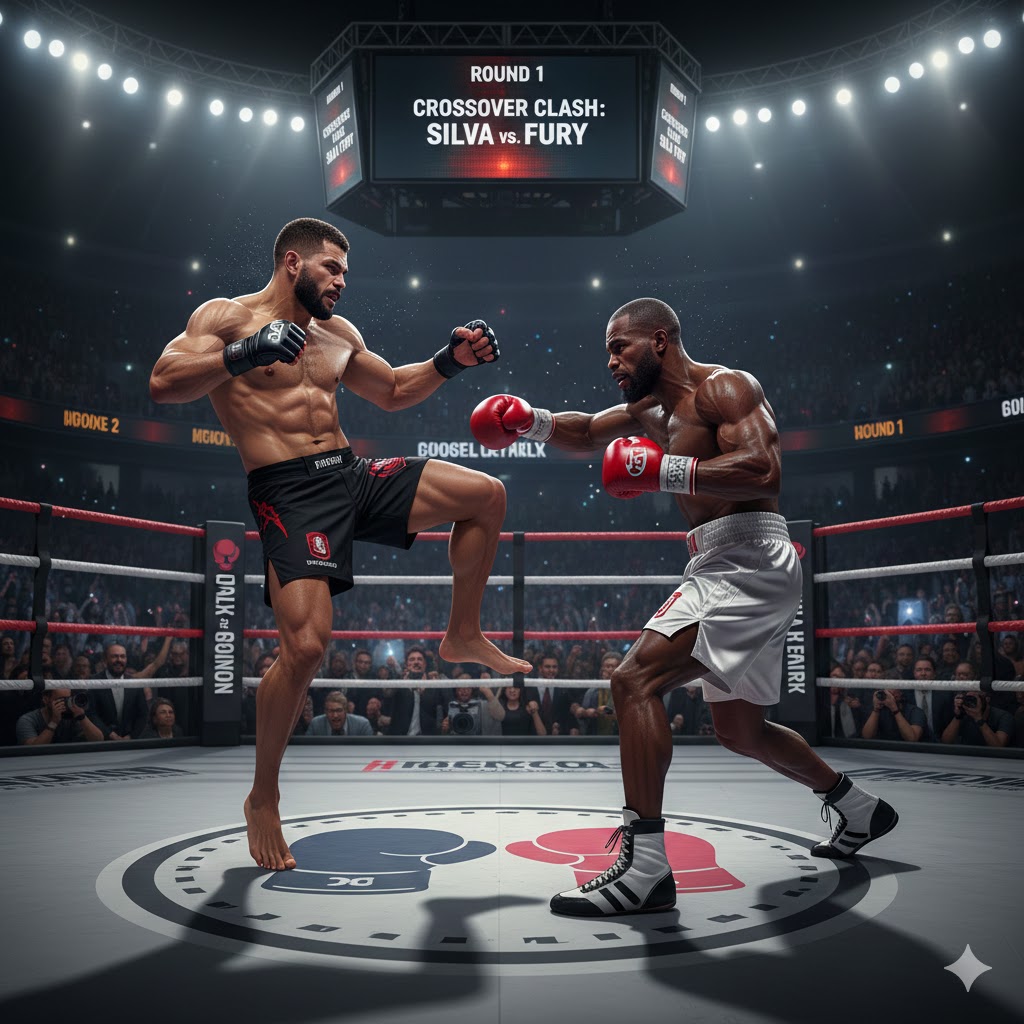
Combat sports have always evolved, but the rise of crossover fights is reshaping the landscape. Fighters from different disciplines, celebrities, and even YouTubers now step into the ring or octagon. I’ve been following the trend closely, and it’s clear these events generate huge attention. The hype, spectacle, and underdog stories draw massive audiences. At the same time, purists question their legitimacy. This duality explains exactly why crossover fights are both good and bad for combat sports.
These matchups aren’t just gimmicks. They challenge fighters to adapt, push promotions to innovate, and bring entirely new audiences to boxing and MMA. Yet, they also risk diluting the sport’s credibility if the contests lean too heavily on showmanship rather than skill. Observing this balance shows how the industry navigates growth while preserving tradition.
The Rise of Crossover Fights
Crossover fights didn’t appear overnight. The trend grew as MMA and boxing promotions sought bigger audiences. Celebrity boxing emerged as social media personalities gained fame and athletic confidence. MMA fighters challenged boxing legends. Athletes from different disciplines clashed in events that became global spectacles.
I see this evolution as a natural response to fan demand. People want novelty, unpredictability, and stories that go beyond wins and losses. The combination of hype, underdog stories, and spectacle keeps fans coming back. Even casual viewers tune in to witness the matchup.
Boxers vs MMA Fighters: Styles Collide
One of the most intriguing aspects of crossover fights is the clash of styles. Boxers bring precision, timing, and experience in the ring. MMA fighters offer versatility, conditioning, and a willingness to adapt. These contrasts create fascinating matchups.
I admire fighters who succeed in these contests because they combine skill with adaptability. They learn quickly and adjust mid-fight. They stay mentally sharp under unusual circumstances. That kind of performance shows why crossover fights can be entertaining and technically impressive.
Celebrity Boxing and Its Appeal
Celebrity boxing has exploded, particularly in the age of social media. Influencers and YouTubers enter the ring, often attracting millions of viewers. While some critics dismiss these fights as spectacles, the events undeniably boost visibility for combat sports.
The entertainment factor drives engagement. Fans watch for drama, storylines, and the unpredictable outcomes. This exposure often brings attention to professional boxing and MMA, helping smaller fighters and promotions gain recognition.
The Pros: Growth, Money, and Audience Expansion
Crossover fights clearly offer benefits. The most obvious is growth. These events attract viewers who might never watch traditional boxing or MMA. They generate revenue through ticket sales, pay-per-view subscriptions, and merchandise.
I see the financial impact as critical. The money allows promotions to invest in production, fighter development, and marketing. Growth attracts sponsors, media deals, and international attention. That cycle strengthens the sport for everyone involved.
Audience expansion is another positive. Younger fans, social media followers, and casual viewers enter the combat sports world through crossover events. They discover fighters, learn rules, and may eventually follow traditional matches. That growth creates a larger and more diverse fan base, which is good for the long-term health of combat sports.
The Cons: Credibility and Purity Concerns
Despite the benefits, crossover fights carry downsides. Purists often question the legitimacy of these matches. When celebrities or YouTubers face professional athletes, the skill gap can overshadow the contest. That disparity sometimes makes the event feel like entertainment rather than sport.
I also notice concerns about injury risk. Fighters unaccustomed to professional-level training may get hurt. That risk is both a safety issue and a reputational concern for the sport. Promotions must balance spectacle with responsibility to maintain credibility.
Moreover, excessive focus on crossover events can dilute attention from traditional matches. Longtime fans may feel alienated if they perceive the sport prioritizes hype over competitive integrity.
Hype and Event Spectacle
One undeniable aspect of crossover fights is the hype. Promotions build storylines, create media buzz, and develop rivalries that feel larger than life. The spectacle draws audiences who enjoy entertainment as much as athletic competition.
I see hype as a double-edged sword. On one hand, it generates revenue and increases exposure. On the other, it can overshadow technical skill if the promotion focuses solely on drama. The best events strike a balance, keeping the action competitive while engaging fans through narrative.
Underdog Stories Capture Attention
Underdog narratives drive fan interest. When a lesser-known fighter steps into the ring against a favorite, viewers invest emotionally. That story can carry over to future events, creating long-term fans.
I appreciate when these underdogs display skill, adaptability, and mental toughness. Even in defeat, their performance earns respect. These stories elevate the sport by showing perseverance and courage, traits that fans admire regardless of outcome.
Adaptability and Skill in Crossover Fights
Success in crossover events often depends on adaptability. Fighters must adjust to rules, opponent styles, and unusual environments. Those who combine skill, mental toughness, and athleticism excel.
I respect athletes who navigate these challenges. They demonstrate versatility and resilience. Their performance proves that crossover fights are not just gimmicks—they can showcase real talent.
Work Ethic and Preparation
Preparation remains critical. Fighters from any background must train intensely to compete effectively. Celebrities or influencers entering the sport quickly learn that talent alone won’t carry them. Hard work, discipline, and strategic planning determine performance.
I see this preparation as essential for maintaining credibility. It ensures that the event is competitive, entertaining, and safe. Fighters who embrace rigorous training earn respect, even in unconventional matchups.
Monetary Growth and Industry Expansion
The financial impact of crossover fights can’t be overstated. Pay-per-view events generate millions. Sponsors invest in promotions that reach broad audiences. Fighters receive larger purses, which incentivizes higher performance.
I view this as beneficial for the entire industry. Increased revenue supports grassroots programs, fighter development, and infrastructure. It also allows traditional boxing and MMA to reach new markets and demographics, expanding the sport globally.
Exposure for Fighters and Promotions
Crossover events bring exposure to both fighters and promotions. Lesser-known athletes gain recognition by sharing the stage with celebrities or elite opponents. Promotions benefit from higher ticket sales, media coverage, and social media attention.
This exposure is particularly valuable for smaller leagues or regional promotions. A well-executed crossover fight can elevate a fighter’s career and introduce the sport to untapped audiences.
Balancing Entertainment and Integrity
The key challenge lies in balance. Promotions must satisfy fans seeking entertainment while preserving sport integrity. Matches should be competitive, rules enforced, and safety prioritized.
I see successful events that achieve this balance as positive models. They maintain credibility, showcase skill, and deliver spectacle. Events that lean too heavily on hype risk alienating purists.
Celebrity Influence on Traditional Combat Sports
Celebrity participation attracts mainstream attention. Viewers who wouldn’t normally follow boxing or MMA tune in to watch. That interest often carries over to traditional fights, boosting ratings and attendance.
I notice how this influence opens opportunities for fighters and promotions. Sponsors see new markets. Broadcasters reach larger audiences. Young athletes gain role models. Celebrity involvement can accelerate overall growth when managed responsibly.
Long-Term Implications for Combat Sports
Crossover fights are likely to shape the sport’s future. They create new revenue streams, expand fan bases, and increase media attention. Younger audiences exposed to these events may follow traditional boxing or MMA long-term.
I also see the potential for evolving training methods. Fighters must adapt to diverse matchups, leading to more well-rounded skill sets. The sport benefits from innovation, creativity, and athleticism brought by crossover participants.
Criticism and Skepticism
Despite benefits, criticism persists. Purists question legitimacy. Injuries in mismatched bouts can harm reputations. Over-reliance on celebrity events risks diverting attention from traditional competition.
I recognize these concerns as valid. Maintaining sport integrity requires careful matchmaking, adherence to rules, and promotion of skilled athletes. Addressing these issues ensures that crossover fights remain a complement rather than a distraction.
The Spectacle That Drives Growth
The spectacle of crossover fights fuels mainstream conversation. Social media amplifies hype. Underdog stories create narrative arcs. Memorable moments build cultural relevance.
I see this spectacle as a growth engine. It attracts fans outside the usual combat sports audience, generates revenue, and encourages investment. When executed responsibly, the spectacle enhances the sport rather than diminishing it.
Conclusion: The Balanced Reality of Crossover Fights
Crossover fights bring both opportunity and challenge. They generate revenue, attract new fans, and showcase adaptability, skill, and athleticism. They also carry risks to credibility, safety, and traditional fan engagement.
I view the trend as a balanced mix of pros and cons. Done well, crossover fights expand combat sports, introduce new talent, and increase global interest. Done poorly, they risk alienating purists and undermining legitimacy.
Ultimately, the rise of crossover fights shows that combat sports are evolving. Hype, spectacle, and underdog stories draw attention. Skill, work ethic, and versatility ensure competition remains meaningful. The combination will continue to fuel growth, drive revenue, and keep fans invested in the future.
Watching these events unfold proves exactly why crossover fights are both good and bad for combat sports. The challenge for promoters and fighters is managing that balance while maximizing the sport’s reach and impact.