
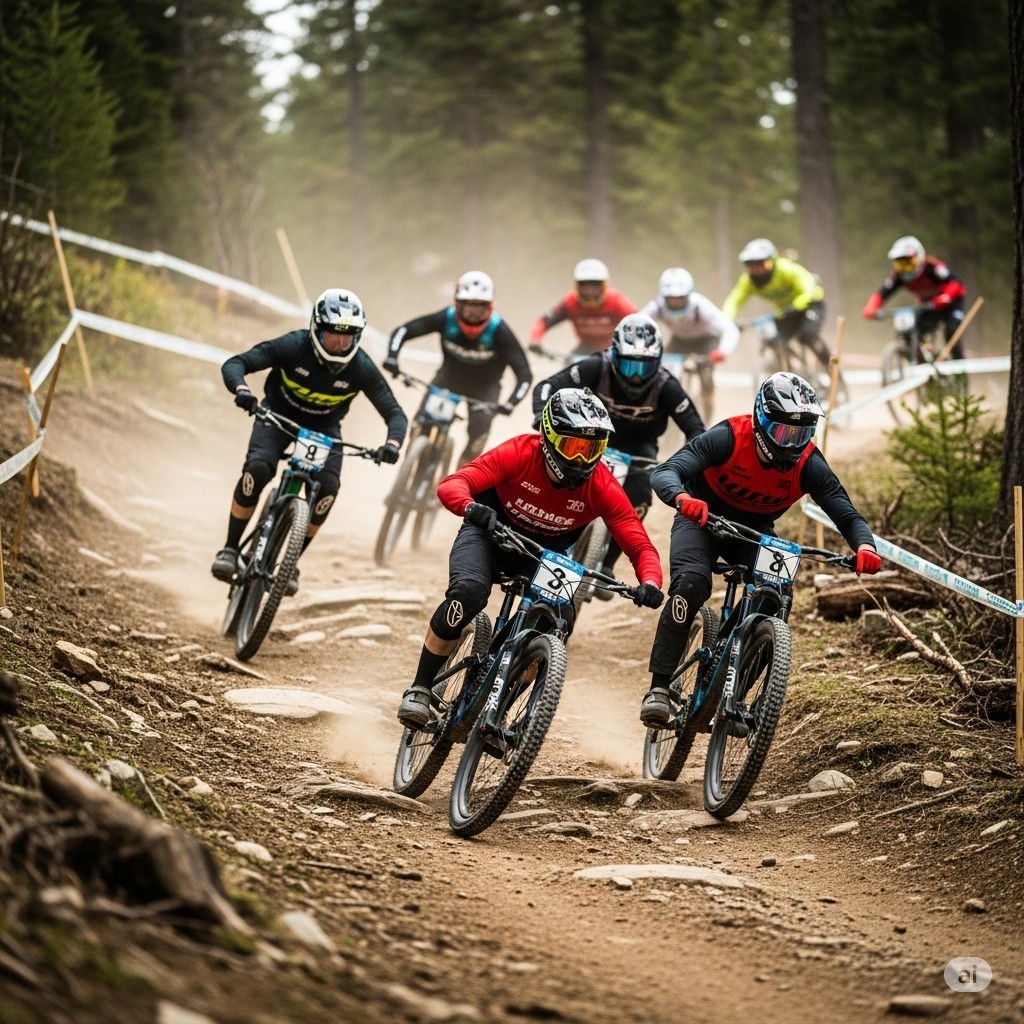
Downhill Mountain Biking: Speed, Skill, and Global Passion
Downhill Mountain Biking is an adrenaline-fueled sport that has captured the hearts of thrill-seekers worldwide. Riders race against time down steep, rugged terrain on specially designed bikes. They must navigate sharp turns, rocky paths, and technical jumps. This high-speed discipline is part of the broader mountain biking world, but it stands out due to its intensity.
The phrase Downhill Mountain Biking sparks images of daring descents and unmatched courage. Over the past four decades, this sport has grown rapidly across continents. Its roots are deep, its rules are clear, and its community is passionate. In this post, we’ll explore everything from its history to its professional leagues, amateur scene, rules, and cultural impact.
Let’s dive into the world of Downhill Mountain Biking.
The Origin and History of Downhill Mountain Biking
The story begins in the rugged hills of California during the 1970s. A group of cycling enthusiasts began modifying bicycles to handle rough terrain. They called themselves the “Repack Riders,” named after a trail on Mount Tamalpais. After each run, they had to repack their coaster brakes, hence the name.
Joe Breeze, Gary Fisher, and Charlie Kelly are names synonymous with these early days. These pioneers designed and built the first true mountain bikes. Their bikes featured strong frames, wide tires, and enhanced braking systems. The sport quickly evolved from casual rides to competitive races.
By the 1980s, formal events started appearing. The first official Downhill Mountain Biking race took place in 1983 in California. Riders from all over began to take part in these adrenaline-filled competitions. As technology improved, so did the bikes and the courses.
In the 1990s, Downhill became a recognized discipline under the Union Cycliste Internationale (UCI). The first UCI Mountain Bike World Championships were held in 1990. Since then, the sport has continued to develop, pushing the limits of human skill and machine design.
Global Popularity of Downhill Mountain Biking
Downhill Mountain Biking is now a global phenomenon. Its popularity spans continents, with hotspots in North America, Europe, South America, and Oceania.
North America
The United States and Canada are leading centers of the sport. British Columbia’s Whistler Bike Park is a mecca for downhill riders. It hosts thousands of riders each year. Events like Crankworx draw international athletes and fans.
Europe
Europe has embraced Downhill Mountain Biking with passion. The Alps, Pyrenees, and Scottish Highlands offer world-class trails. France, Switzerland, and Italy host some of the most challenging courses. The UCI World Cup frequently stops in these regions.
The United Kingdom deserves special mention. Scottish rider Greg Minnaar and British rider Rachel Atherton have dominated the sport. Bike parks like Fort William have become iconic.
South America
South America is catching up fast. Colombia, Brazil, and Chile boast excellent natural terrain. Events like the Andes Pacifico attract elite riders globally.
Oceania
New Zealand and Australia are Downhill powerhouses. Rotorua in New Zealand is a world-class venue. The Crankworx festival has a strong presence here too. Australia’s Blue Mountains and Tasmania offer spectacular riding experiences.
Asia and Africa are emerging markets. Countries like Japan, South Korea, and South Africa are investing in trail infrastructure and hosting competitive events.
Amateur Downhill Mountain Biking: Youth and Schools
Amateur participation is crucial to the sport’s future. Many regions now offer youth development programs.
Youth Leagues and Clubs
Across North America and Europe, youth mountain biking clubs are flourishing. Organizations like the National Interscholastic Cycling Association (NICA) in the U.S. support student athletes. Kids as young as ten are learning advanced downhill techniques.
Clubs offer coaching, safety training, and competition opportunities. Many of these youth races take place on beginner-friendly trails. As skills grow, young riders move up to more challenging courses.
School Programs
Some schools have embraced mountain biking as part of their physical education curriculum. High schools with mountain biking teams are on the rise. These programs build confidence, fitness, and teamwork.
In countries like Canada, bike-friendly cities support school-based biking clubs. Coaches and parents play a critical role in organizing events and ensuring rider safety.
Grassroots Events
Amateur races are held throughout the year. Local bike shops and trail associations often sponsor them. These events introduce new riders to the sport and offer a path to competitive racing.
Downhill camps and clinics also help amateurs improve their skills. These programs cover everything from bike setup to body positioning and braking techniques.
Professional Leagues and Competitions of Downhill Mountain Biking
Professional Downhill Mountain Biking features elite athletes competing at the highest level. The calendar includes world championships, international series, and iconic one-off events.
UCI Mountain Bike World Cup
The UCI Mountain Bike World Cup is the top professional series. It features races in different countries and tracks. Riders earn points at each event, and the season ends with a final overall ranking.
These races are broadcast worldwide. Fans tune in to watch the best in the sport battle against time and terrain.
UCI Mountain Bike World Championships
Unlike the World Cup, the World Championships is a single annual event. Riders compete for the rainbow jersey, a symbol of global dominance. Winning this race is a career-defining achievement.
Crankworx
Crankworx is more than just a race series. It’s a festival that blends racing, freestyle, and culture. The event originated in Whistler but now travels to Europe and Oceania.
The Crankworx Downhill events are known for their party atmosphere and fierce competition.
Red Bull Hardline
Red Bull Hardline is often called the world’s toughest downhill race. Held in Wales, it features enormous jumps and technical features. Only the best dare to compete.
National Championships
Each country has its own national championship series. These events help develop local talent and feed athletes into the global circuit.
Countries like the U.K., France, the U.S., and Australia have especially strong national competitions.
Rules and Race Format of Downhill Mountain Biking
Downhill Mountain Biking follows a clear structure to ensure fairness and safety.
The Course
Courses are steep and technical, often dropping hundreds of meters in elevation. They include features like jumps, berms, rock gardens, and drop-offs. The total length varies from 1.5 to 3.5 kilometers.
Individual Time Trial
Races are typically individual time trials. Riders descend one at a time, racing against the clock. The fastest time wins.
Seeding runs determine the start order. In the finals, the fastest riders go last. This builds excitement for fans and media.
Equipment Regulations
Bikes must meet specific standards. Full-suspension frames and disc brakes are mandatory. Tires must offer excellent grip. Riders are required to wear full-face helmets, body armor, and gloves.
The UCI enforces bike and safety equipment rules strictly. This ensures a level playing field and minimizes injuries.
Timing and Penalties
Electronic timing systems provide precise results. Any missed checkpoints or course infractions can result in penalties or disqualification.
Practice and Inspection
Riders are allowed practice runs before the race. They also walk the course to study lines and hazards. Strategy is just as important as speed.
Political and Social Significance of Downhill Mountain Biking
Downhill Mountain Biking has a surprising political and social dimension. It affects land use, environmental policy, and public health.
Land Access and Conservation
Trail access is often a political issue. Riders need public or private land to train and race. Advocacy groups work with governments to preserve access.
In many regions, bike parks operate under permits from forest services or national parks. Sustainable trail building practices help reduce environmental impact.
Downhill Mountain Biking has also revitalized rural economies. Mountain towns once reliant on skiing have turned to biking in summer. This brings jobs, tourism, and investment.
Community Building
The sport fosters a strong sense of community. Local clubs, forums, and events bring people together. Riders of all backgrounds share a common bond through biking.
Inclusive programs now promote diversity in the sport. Outreach efforts target women, minorities, and underserved youth.
Organizations like Black Girls Do Bike and World Ride help increase representation globally.
Physical and Mental Health
Downhill Mountain Biking offers significant health benefits. Riders improve cardiovascular fitness, coordination, and strength. Mental health also gets a boost through outdoor activity and community engagement.
In some rehabilitation programs, biking is used as therapy. Veterans and trauma survivors have found healing through the sport.
Media and Culture
Films, social media, and video games have brought Downhill Mountain Biking into the mainstream. Documentaries showcase the grit and glory of top athletes. YouTube channels offer tutorials, gear reviews, and thrilling ride footage.
These media outlets grow the sport’s fan base and inspire the next generation of riders.
The Future of Downhill Mountain Biking
As technology advances, the sport evolves. Lighter frames, better suspension, and smarter gear continue to push limits. E-mountain bikes are also entering the downhill scene, creating new possibilities and challenges.
The future is bright. New regions are investing in trails and parks. Media coverage is expanding. And most importantly, more young riders are joining the movement every year.
Governments and brands are recognizing its value. Expect to see Downhill Mountain Biking at more global sporting events. The International Olympic Committee has discussed expanding mountain biking disciplines. Downhill may be included in future Olympic Games.
Conclusion
Downhill Mountain Biking is more than just a sport—it’s a lifestyle, a community, and a force for change. From its humble beginnings on California fire roads to the high-tech world stages of today, it has become a global spectacle.
Whether you’re a youth just starting out, a weekend warrior, or a professional racing down alpine slopes, the spirit of the sport is the same. It’s about courage, control, and a love for the mountains.
With strong grassroots programs, growing media presence, and a dedicated fanbase, Downhill Mountain Biking is here to stay. The trail ahead looks steep—but the ride will be unforgettable.