
How AI and Wearables are Changing Tennis Training
How AI and Wearables are Changing Tennis Training
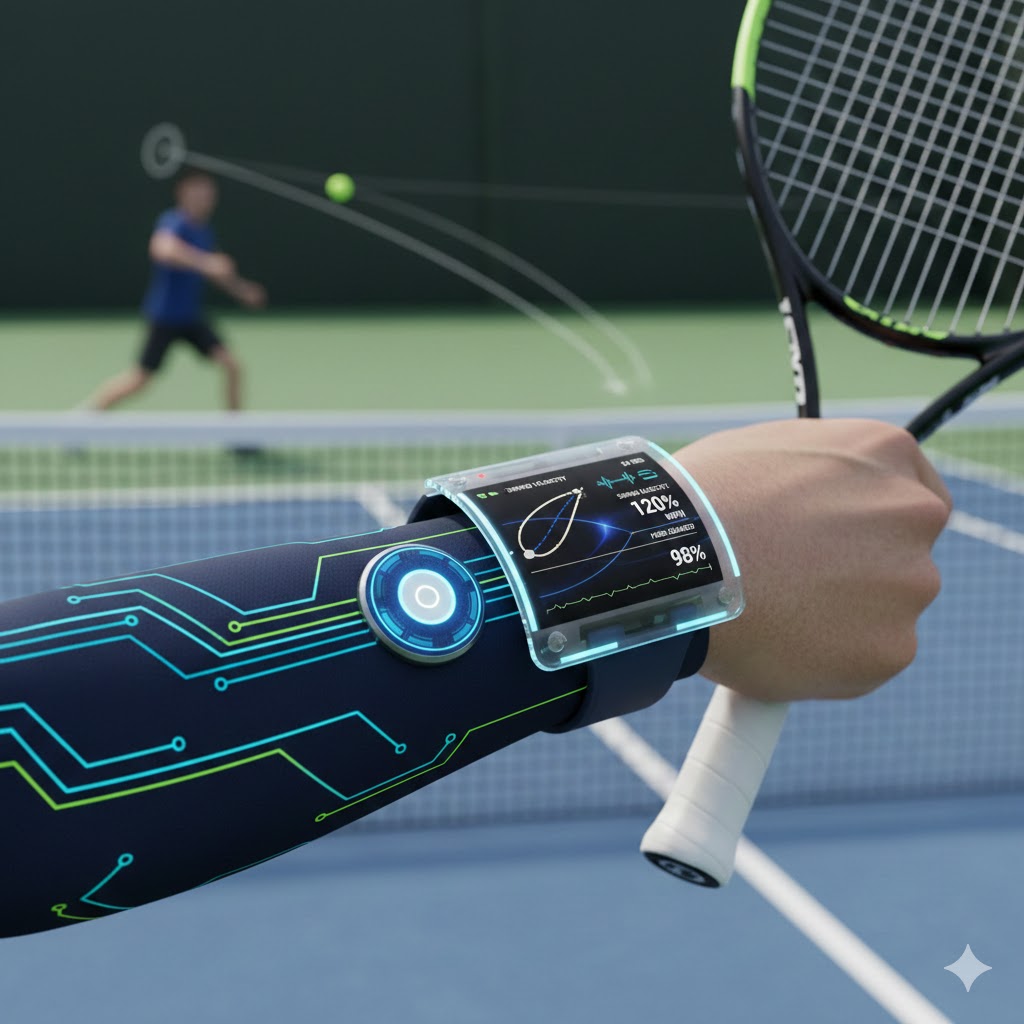
Tennis has always demanded skill, endurance, and mental toughness. I’ve watched players train for years using traditional methods—ball machines, on-court drills, and match play. Yet the sport is evolving. AI and wearable technology now transform how athletes prepare. From stroke mechanics to recovery, the tools deliver insights that were impossible just a decade ago. That explains exactly how AI and wearables are changing tennis training today.
These innovations don’t replace hard work or discipline. They enhance it. They give players and coaches the data to train smarter. At the same time, they introduce new challenges. Over-reliance on technology can reduce intuition, and costs limit access for many. Even with those limitations, the impact on skill development, injury prevention, and performance is undeniable.
AI Video Analysis: Seeing Your Game Like Never Before
AI-powered video analysis has revolutionized tennis. Cameras track every swing, foot placement, and shot trajectory. The software breaks down each stroke into precise metrics, offering instant feedback.
I see the value immediately. Players can identify minor flaws in their technique that might go unnoticed during traditional coaching. AI highlights patterns, predicts weaknesses, and suggests adjustments. That level of insight accelerates learning and improves efficiency during practice sessions.
Wearable Sensors: Real-Time Data on Every Movement
Wearables have taken training to a new level. Smart rackets, wristbands, and clothing track swing speed, racket angle, heart rate, and even muscle fatigue. GPS trackers monitor movement across the court, showing how efficiently a player covers space.
I find this fascinating because it quantifies effort and precision. Players learn exactly how much energy they expend during drills or matches. They discover imbalances or inefficiencies that affect performance. The ability to measure every detail allows players to fine-tune both skill and conditioning simultaneously.
Stroke Improvement and Biomechanics
AI and wearables excel at improving stroke mechanics. Sensors capture angles, speed, and spin. Machine learning algorithms compare a player’s swing to optimal models. That comparison allows athletes to adjust grip, swing path, or foot positioning in real time.
I respect the discipline it requires. Players must remain focused while interpreting complex feedback. Those who embrace it see faster improvement than those relying solely on feel. This technology creates measurable gains that directly translate to better performance on the court.
Match Simulation and Strategic Planning
AI also simulates match conditions. Virtual opponents mimic real-world strategies, forcing players to anticipate moves, adjust timing, and plan shots. This approach bridges practice and competition more effectively than traditional drills.
Players gain a mental edge through these simulations. They rehearse decision-making, refine shot selection, and practice responding to pressure. That mental conditioning complements physical skill, making athletes more complete and adaptable.
Endurance and Conditioning Tracking
Wearables monitor heart rate, oxygen levels, and energy expenditure. Players track how their bodies respond to different intensities. Coaches can tailor conditioning programs based on actual performance data instead of estimates.
There’s benefit in preventing overtraining and maximizing results. Players improve stamina, reduce fatigue, and recover faster. That combination allows them to sustain high-level performance throughout long matches or tournaments.
Injury Prevention and Recovery
Injuries can derail careers. AI and wearables now help predict and prevent them. Sensors detect strain on joints and muscles, identify risky movement patterns, and suggest corrective exercises. AI analyzes historical data to recommend recovery timelines.
I appreciate this aspect because it protects both short-term performance and long-term careers. Players learn to listen to their bodies in conjunction with data insights. This balance reduces risk and supports sustained success.
Mental Preparation and Focus
AI is even influencing mental conditioning. Algorithms track patterns of decision-making and stress responses during training. Players use this information to improve focus, resilience, and match temperament.
I see this as a game-changer. Mental toughness often separates good players from elite competitors. Technology provides feedback that was previously subjective or overlooked. Combining physical and mental data creates more complete athletes.
Adaptability and Skill Transfer
Players who embrace AI and wearable feedback develop adaptability. They can adjust techniques mid-match, respond to opponents more effectively, and refine their game continuously.
These athletes display heightened awareness. They anticipate plays, optimize energy, and fine-tune strokes dynamically. That adaptability becomes a competitive advantage, especially at high levels where small margins matter.
Work Ethic and Discipline in a Tech-Driven Environment
Technology alone doesn’t produce results. Players must pair AI insights with effort, focus, and consistent practice. Those with strong work ethic excel because they apply data intelligently rather than relying on it blindly.
I respect athletes who embrace both hard work and technology. They demonstrate discipline, attention to detail, and commitment. This combination produces measurable improvements while preserving the essence of tennis training.
Global Access and Democratization of Training
AI and wearable tech are gradually making elite-level training accessible to more players. Clubs, academies, and individual coaches can use tools to teach players outside traditional tennis hotbeds.
I see this as a major shift. Geographic barriers become less relevant. Players in emerging markets can access insights previously reserved for top-tier athletes. This democratization expands the talent pool and elevates the sport globally.
Cost and Accessibility Considerations
Despite the benefits, technology comes with costs. High-end wearables, AI platforms, and analysis software are expensive. Smaller clubs or players with limited resources may struggle to access them.
I view this as a challenge but not a roadblock. Over time, competition and innovation will lower prices. More affordable solutions will expand access and allow broader adoption across all levels of the sport.
Integration With Traditional Coaching
AI and wearables complement rather than replace coaches. Coaches interpret data, adjust training plans, and provide context that technology cannot replicate.
I believe the best results come when athletes combine high-tech feedback with experienced guidance. Coaches use AI to reinforce lessons, refine technique, and provide personalized strategies. That partnership ensures players improve comprehensively.
The Future of Tennis Training
Looking ahead, I see continuous innovation. Wearables will capture more precise metrics. AI will provide deeper analysis and predictive modeling. VR and AR may simulate match conditions more realistically.
This trend will accelerate skill development, prevent injuries, and produce smarter, more adaptable players. The technology will shape everything from junior development programs to professional training regimens.
Faster Development and Longer Careers
AI and wearable tools allow players to develop faster while managing their bodies more effectively. Data-driven conditioning reduces the risk of burnout and injury. Players maintain peak performance longer.
I see this as a long-term benefit for the sport. Athletes can extend careers, compete at higher levels, and push the boundaries of performance. That evolution strengthens tennis as a professional and global sport.
Data-Driven Decision Making in Matches
Players increasingly rely on match data to strategize. AI analyzes opponents’ tendencies, shot patterns, and weaknesses. Wearables track fatigue, positioning, and pacing.
This approach improves tactical awareness. Players make smarter decisions, adjust mid-match, and exploit advantages efficiently. That combination of preparation and real-time insight enhances competitive outcomes.
Balancing Technology With Intuition
While AI and wearables provide insights, intuition remains crucial. Players must balance data with feel. They need to trust instincts in high-pressure situations.
This balance as essential. The best athletes integrate both approaches. Technology informs decisions, but intuition guides execution. This combination produces elite-level performance while maintaining the artistry of tennis.
Enhancing Fan Engagement and Visibility
AI and wearable technology also influence the fan experience. Broadcasts use analytics to show shot speed, spin, and positioning. Fans gain deeper appreciation for technique and strategy.
I find this exciting. Fans enjoy the sport more because they understand nuances previously invisible. That increased engagement expands audiences, grows the sport, and highlights the benefits of modern training tools.
Conclusion: A New Era of Tennis Training
AI and wearable technology are transforming tennis training. Players now improve strokes, condition efficiently, prevent injuries, and prepare mentally using precise data. The integration of technology enhances work ethic, adaptability, and skill development.
At the same time, balance remains key. Athletes must combine traditional training, coaching guidance, and intuition with tech insights. Over-reliance on devices can reduce feel, and costs may limit access. Yet the potential for growth, performance improvement, and extended careers is undeniable.
Watching these developments firsthand shows exactly how AI and wearables are changing tennis training. The sport is evolving. Players are smarter, faster, and more prepared. Technology and tradition now work together, producing a new generation of elite competitors who redefine what’s possible on the court.