
How NFL Teams Build a Franchise Quarterback
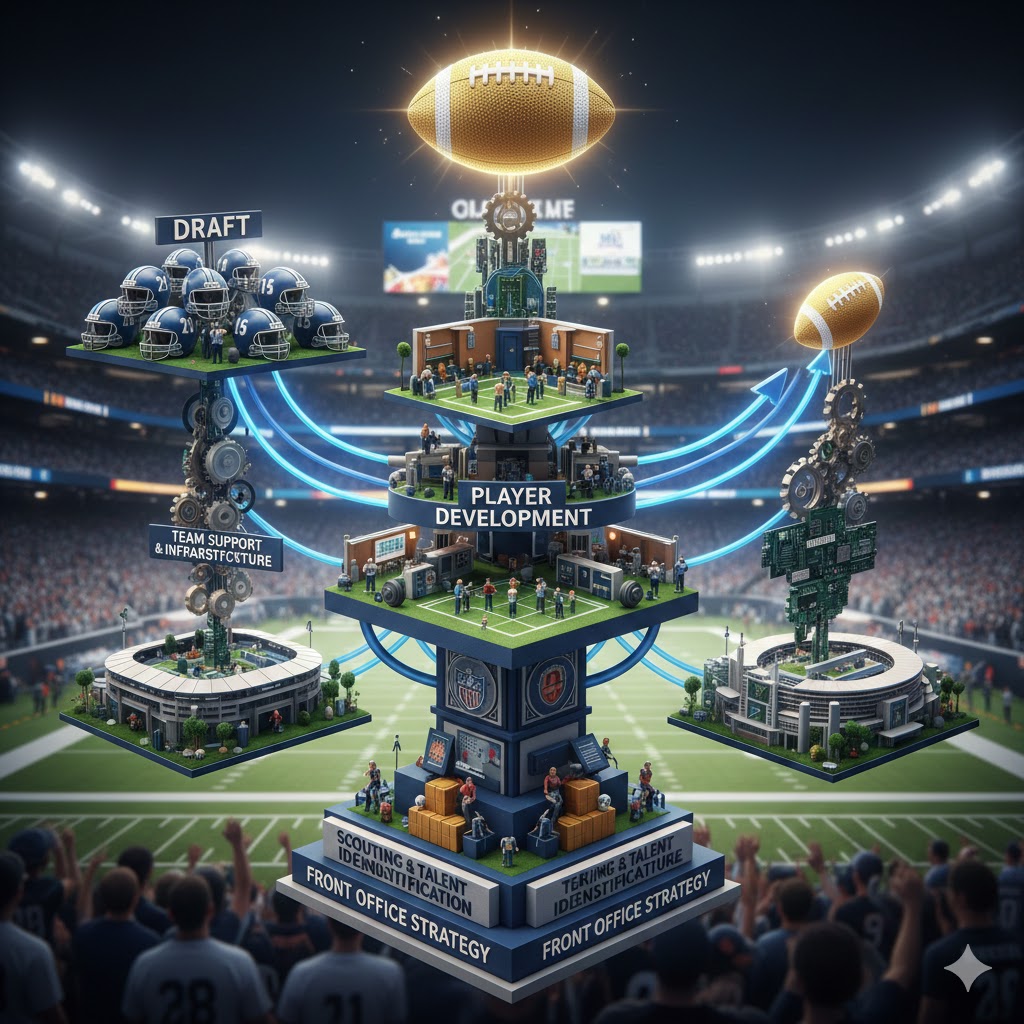
How NFL Teams Build a Franchise Quarterback
Building a franchise quarterback is one of the most difficult task in professional sports. Every NFL organization wants one. Very few actually get it right. The league is filled with examples of teams that believed they found their answer, only to restart the process a few years later.
A true franchise quarterback is more than arm talent or draft position. He represents leadership, organizational alignment, consistency, and long-term vision. When teams succeed in building one, the payoff reshapes an entire era of football.
This is how NFL teams actually build a franchise quarterback — when they get it right.
Defining a Franchise Quarterback
A franchise quarterback is not defined by one statistic or one season. He becomes the identity of the organization.
Several traits matter:
- Longevity with one team
- Consistent playoff relevance
- Championship contention
- Leadership inside and outside the locker room
- Alignment with organizational philosophy
Elite production matters greatly, but stability matters even more.
When a quarterback fits the culture, ownership, coaching staff, and locker room, everything else becomes easier. When that alignment fails, talent alone rarely saves the situation.
Organizational Alignment Comes First
Quarterback development starts at the top.
Ownership philosophy, front office vision, and coaching identity must align before a quarterback ever takes a snap. Teams that lack patience or clarity often sabotage young passers without realizing it.
Successful organizations understand:
- Who they are
- How they want to play
- What kind of leader they need
That clarity allows them to evaluate quarterbacks beyond highlights and hype. It also allows them to commit once the right player is identified.
Quarterbacks fail when organizations chase trends instead of fit.
Drafting the Quarterback Is Only the Beginning
The draft dominates the conversation, but it rarely tells the full story.
High draft status creates expectations, but it does not guarantee readiness. Many elite college quarterbacks struggle to transition because the NFL demands faster processing, tighter windows, and greater emotional control.
Some quarterbacks enter the league physically gifted but mentally unprepared. Others arrive undervalued yet wired perfectly for the professional game.
Draft position opens the door. Development decides what happens next.
Coaching Stability Shapes Quarterback Growth
Coaching stability remains one of the most overlooked factors in quarterback success.
Frequent coordinator changes force quarterbacks to:
- Learn new terminology
- Adjust footwork and timing
- Reset progressions
- Rebuild trust
I have seen that disruption stall and even eliminate development.
Teams that succeed with franchise quarterbacks usually provide:
- A consistent offensive vision
- Clear communication
- Gradual responsibility increases
The quarterback grows within a system rather than constantly surviving it.
When coaches tailor schemes to strengths instead of forcing conformity, this allows growth to accelerate.
The Right Offensive System Matters
System fit matters more than scheme popularity.
Some quarterbacks thrive in timing-based offenses. Others with speed and lateral quickness excel when plays break down. Some, especially those who prefer staying in the pocket, need defined reads. Others operate best with the freedom to adapt on the fly.
Smart teams build offenses around:
- Processing speed
- Mobility
- Arm strength
- Decision-making tendencies
When systems match strengths, confidence follows. When systems conflict, even elite talent struggles.
Many quarterbacks fail when systems ignore reality and the fit is just not there.
Supporting Cast Determines Early Survival
Young quarterbacks rarely develop in chaos.
Offensive line play, skill position talent, and play calling shape early confidence. Constant pressure creates bad habits and limited weapons shrink the field.
Teams that understand the process invest in:
- Pass protection
- Reliable targets
- Balanced play design
This gives quarterbacks room to grow instead of forcing hero ball.
Quarterbacks learn faster when they are allowed to play within a structure and system that fits them well.
Mental Makeup Separates the Elite
Physical traits get quarterbacks drafted, but mental toughness keeps them employed.
The NFL tests:
- Confidence under criticism
- Emotional control after failure
- Preparation habits
- Leadership during adversity
Some quarterbacks struggle not because they lack talent, but because they cannot handle constant scrutiny and speed.
Teams that evaluate mindset as seriously as arm strength gain a massive advantage.
The position demands resilience more than perfection.
Patience Is a Competitive Advantage
Many young quarterbacks are simply pushed too fast.
The jump from college to the NFL is enormous. Defensive disguises, coverage rotations, and pass rush speed overwhelm even experienced players.
Organizations that rush development often do so out of desperation rather than strategy.
Patience allows quarterbacks to:
- Learn protections
- Understand coverage manipulation
- Develop timing
- Build leadership credibility
Sitting early does not equal failure. In many cases, it actually creates longevity.
Managing Media and Fan Pressure
Quarterbacks face pressure before they earn credibility.
Social media magnifies every mistake. Sports talk shows demand instant results. Fan bases grow restless win their team isn’t winning.
Strong organizations shield young quarterbacks from unnecessary noise. They set expectations internally rather than reacting publicly.
When pressure is managed, it allows confidence to grow. When pressure leads decisions, mistakes multiply rapidly.
Analytics and Technology Shape Modern Development
Modern quarterback development blends traditional coaching with advanced technology.
Teams now use:
- Motion tracking data
- Throw velocity analysis
- Decision timing metrics
- Practice efficiency analytics
These tools help identify strengths and weaknesses faster. They also allow coaches to adjust workloads and mechanics without guesswork.
Technology does not replace coaching. It sharpens it.
College Preparation and the NIL Era
College football prepares quarterbacks differently than it once did.
Spread offenses, RPO systems, and simplified reads dominate. Some quarterbacks arrive experienced. Others arrive underdeveloped.
The NIL era adds another layer. Quarterbacks now manage branding, money, and attention before reaching the NFL.
Teams must evaluate:
- Football IQ
- Adaptability
- Maturity
In many cases, projection matters more than production.
Common Mistakes That Derail Quarterbacks
Even talented quarterbacks fail when organizations repeat the same mistakes.
The most common issues include:
- Rushing development timelines
- Ignoring offensive line needs
- Constant coaching turnover
- Forcing scheme mismatches
- Allowing pressure to dictate decisions
Success requires restraint and focus.
The teams that avoid panic often outperform the ones chasing immediate validation.
What Championship Teams Do Differently
Teams with franchise quarterbacks excel in multiple areas simultaneously.
They:
- Maintain organizational patience
- Build strong infrastructure
- Trust development timelines
- Adjust systems as quarterbacks evolve
Championships rarely happen by accident. They emerge from alignment and commitment to the right strategy.
Quarterbacks become franchise players when organizations commit fully and intelligently.
Final Thoughts
Building a franchise quarterback remains the NFL’s greatest challenge.
Talent matters. Leadership matters more. Situation matters most.
When the right quarterback meets the right organization, sustained success follows. When that alignment fails, no amount of hype can save it.
The teams that understand this reality stay competitive for decades. The rest keep searching aimlessly and they face the wrath of their fanbase.
That difference defines the modern NFL.