
How Niche Sports Build Loyal Fanbases
How Niche Sports Build Loyal Fanbases (And Why They Often Outlast the Big Leagues)
Mainstream sports chase scale.
Niche sports build loyalty.
That difference matters more than most people realize.
While global leagues dominate television contracts and sponsorship headlines, smaller sports often cultivate something more durable: deeply committed communities. Their fans don’t just watch. They participate, evangelize, and recruit.
In many cases, niche sports don’t grow by accident.
They grow by design.
Let’s break down how niche sports build loyal fanbases — and why their model works.
1. Identity First, Entertainment Second
Major sports markets sell spectacle.
Niche sports sell belonging.
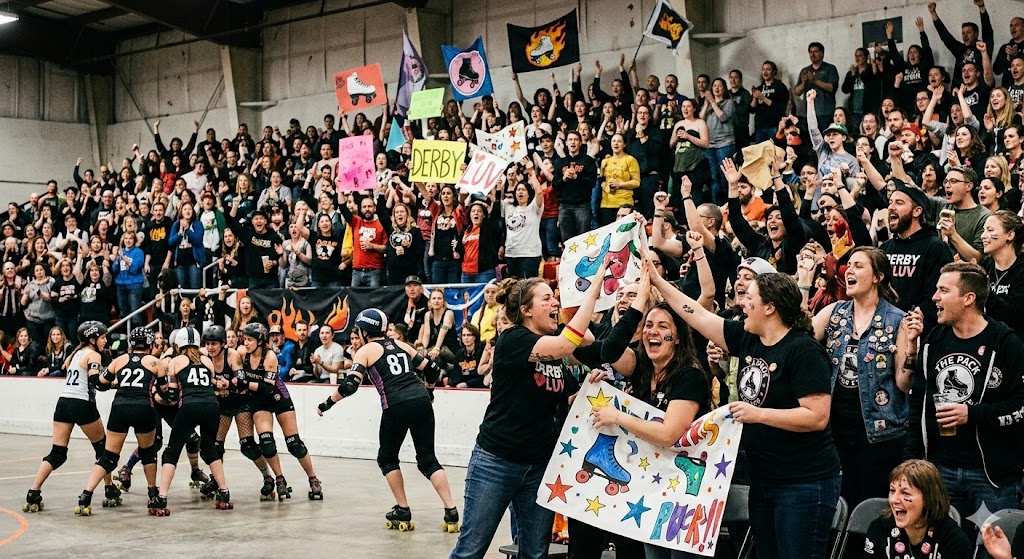
When someone joins a niche sport community, they aren’t just consuming content. They’re adopting an identity.
Whether it’s ultra-distance cycling, competitive pickleball in its early days, disc golf’s grassroots movement, or regional combat leagues, the appeal isn’t always flash.
It’s connection.
Fans feel:
- Closer to athletes
- Closer to organizers
- They also feel closer to each other
That proximity creates emotional investment.
And emotional investment builds loyalty.
2. Accessibility Fuels Participation
One of the biggest advantages niche sports have is accessibility.
Many require:
- Lower startup costs
- Minimal facilities
- Smaller teams
- Local club structures
That accessibility turns spectators into participants.
And participation is the ultimate loyalty engine.
When fans play the sport themselves, they:
- Understand strategy more deeply
- Follow professional events more closely
- Bring friends into the ecosystem
Participation collapses the barrier between fan and athlete.
That creates stickiness.
3. Community Over Commercialization
Niche sports often grow slowly because they prioritize community before monetization.
Local tournaments.
Volunteer-run leagues.
Grassroots organizers.
Social media groups.
Word-of-mouth marketing.
Instead of pushing national TV deals too early, many niche sports strengthen local hubs first.
That creates a foundation.
When commercialization eventually comes, it lands on solid ground.
Communities built on shared passion survive fluctuations in media attention.
4. Digital Platforms Level the Playing Field
Twenty years ago, niche sports struggled for visibility.
Now, digital media has changed everything.
Streaming platforms, YouTube, and social media allow emerging sports to:
- Broadcast events cheaply
- Build global audiences without network contracts
- Showcase athlete personalities
- Educate new fans instantly
Short-form content introduces highlights.
Long-form content deepens engagement.
Live streams create event culture.
Digital removes the gatekeepers.
And niche sports thrive without them.
5. Athlete Accessibility Creates Stronger Bonds
In major sports, access is limited.
In niche sports, fans often interact directly with athletes.
They:
- Comment on posts and receive replies
- Meet players at local events
- See pros training in community facilities
- Engage in Q&A sessions
That proximity builds loyalty fast.
When fans feel personally connected to athletes, they support them longer — even through losses.
It’s relationship-driven fandom.
Not just performance-driven.
6. Underdog Psychology Drives Passion
There’s something powerful about supporting something early.
Fans of niche sports often feel like insiders.
They discovered it before the mainstream and defended it before legitmacy.
They championed it before sponsorships.
That creates ownership psychology.
Ownership creates advocacy.
Advocacy fuels growth.
When fans feel like stakeholders, they market the sport voluntarily.
7. Clear Cultural Values Strengthen Loyalty
Niche sports often grow around clear cultural pillars:
- Inclusivity
- Authenticity
- DIY spirit
- Innovation
- Community respect
These values attract like-minded participants.
Shared values deepen loyalty.
Because fans aren’t just supporting competition.
They’re supporting a culture.
And culture sustains attention long after hype fades.
8. Events Feel Intimate, Not Industrial
Large professional leagues often feel corporate.
Niche events feel personal.
Smaller venues allow fans to:
- Watch up close
- Interact between matches
- Network with other enthusiasts
- Feel part of the experience
That intimacy increases emotional memory.
When people feel seen and included, they return.
9. Slow Growth Builds Stronger Foundations
Explosive growth can overwhelm infrastructure.
Niche sports that scale gradually often build smarter systems.
They:
- Refine rules through community feedback
- Develop sustainable league structures
- Train officials organically
- Improve safety standards steadily
Slow growth encourages stability.
And stability supports long-term loyalty.
10. Scarcity Increases Perceived Value
When something isn’t everywhere, it feels special.
Limited events.
Regional competitions.
Seasonal tournaments.
Scarcity increases anticipation.
Fans look forward to events rather than being oversaturated.
That anticipation strengthens engagement cycles.
11. The Loyalty Multiplier Effect
When niche sports succeed, they often benefit from a multiplier effect:
- A passionate core builds credibility.
- Digital exposure expands awareness.
- Participation rises.
- Sponsorship interest grows.
- Media attention follows.
But the key is step one.
Without a passionate core, expansion collapses under pressure.
With it, growth compounds.
Why Some Niche Sports Eventually Break Through
History shows that many major sports began as niche communities.
What separates those that break through from those that plateau?
- Strong governance
- Clear branding
- Consistent competitive structure
- Strategic media presence
- Preserved cultural identity
The mistake many growing sports make is abandoning authenticity too quickly in pursuit of scale.
The smart ones scale without losing soul.
Final Thought: Loyalty Is Built Through Belonging
Niche sports don’t win by competing directly with global giants.
They win by doing something different.
Building identity and community.
Building participation and relationships.
Loyal fanbases aren’t created through marketing spend alone.
They’re built through shared experience.
And in a crowded sports marketplace, belonging is more powerful than broadcast reach.
To see real-world examples of these principles in action, explore our breakdown of the most popular niche sports in the world today.