
How Olympic Training Differs from Pro Sports
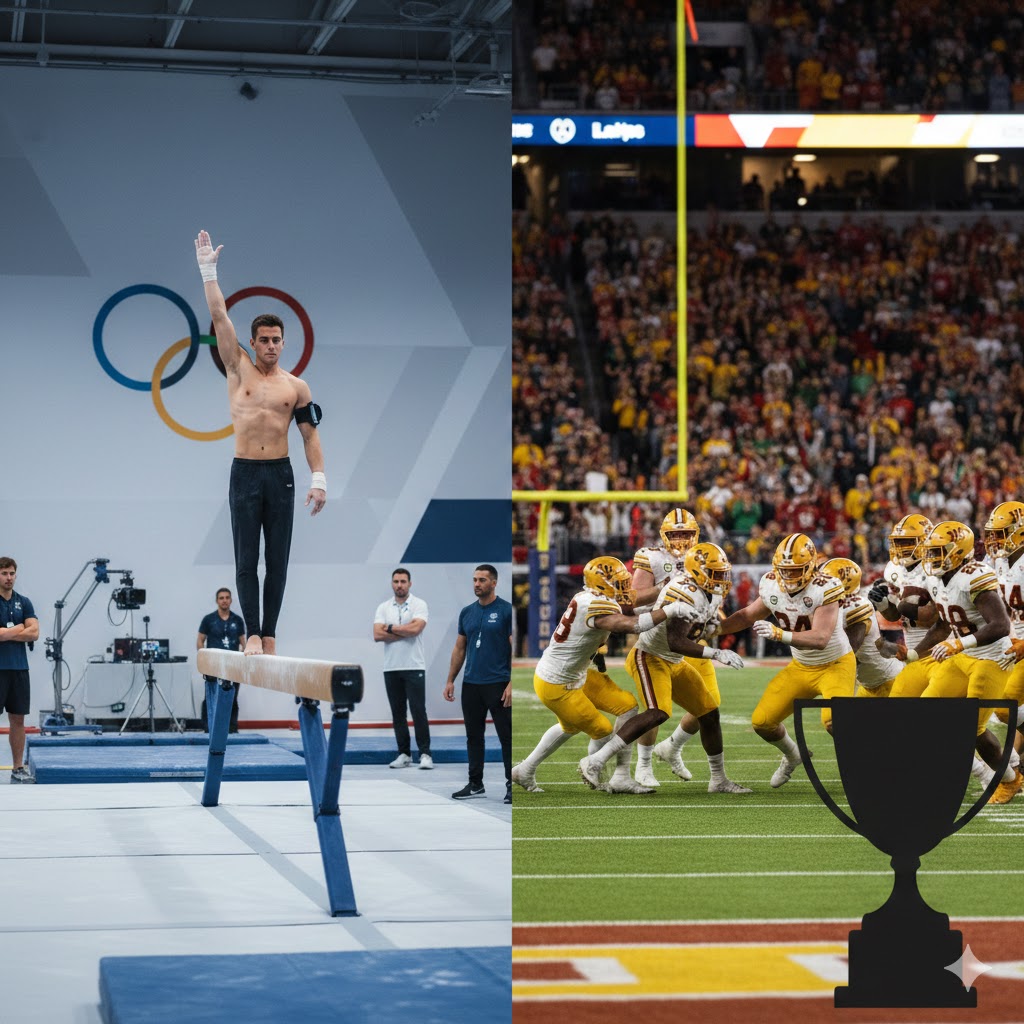
How Olympic Training Differs from Pro Sports
Elite athletes all chase greatness, but the path to Olympic success looks very different from the road through professional sports. Training schedules, financial realities, competitive structures, and even psychological preparation diverge in meaningful ways.
Olympic athletes prepare to peak for a single global moment. Professional athletes must sustain excellence across long seasons, playoffs, and multi-year careers. Neither path is easier. They are simply optimized for different definitions of success.
Understanding these contrasts reveals just how unique Olympic preparation truly is.
Peaking for One Moment vs. Surviving a Season
The most fundamental difference lies in timing.
Olympic athletes structure entire four-year cycles around one competition. Every training block, recovery phase, and performance test builds toward a precise physical and mental peak during the Olympic Games.
Professional athletes face the opposite challenge. They must:
- Perform consistently across months of competition
- Manage fatigue through travel and busy schedules
- Reach peak form during playoffs rather than opening day
Olympic preparation is about perfect timing.
Professional preparation is about sustained durability.
Both demand extraordinary discipline but in very different ways.
Training Volume and Specialization
Olympic sports often require extreme specialization.
Gymnasts refine movements measured in tenths of a point. Swimmers chase hundredths of a second. Track athletes optimize stride mechanics, reaction time, and energy distribution with microscopic precision.
Because competitions are limited, training volume can be intense and highly technical:
- Multiple daily sessions
- Repetitive skill refinement
- Narrow focus on one discipline
Professional athletes, especially in team sports, must balance:
- Skill development
- Tactical systems
- Strength and conditioning
- Recovery between games
Olympic training pushes precision and repetition.
Pro training emphasizes adaptability and endurance.
Funding, Resources, and Financial Reality
Financial structure creates another major divide.
Top professional leagues provide:
- Guaranteed salaries
- Sponsorship visibility
- Team-funded facilities and travel
- Long-term career security for elite performers
Many Olympic athletes rely on:
- National governing body stipends
- Sponsorships that fluctuate with success
- Personal funding or part-time work
- Limited post-Olympic financial certainty
Despite representing their countries on the world stage, numerous Olympians train under significant financial pressure.
The contrast highlights how passion and national pride often sustain Olympic dreams.
National Representation vs. Club Identity
Olympians compete for country first.
Professionals usually compete for clubs, franchises, or organizations.
This difference shapes motivation and preparation:
- Olympic athletes carry national expectations and symbolism
- Professional athletes navigate team dynamics, trades, and league narratives
Both environments create pressure, but Olympic competition compresses emotional intensity into a single global spotlight.
Winning an Olympic medal can define an entire lifetime.
Winning a championship defines a season—sometimes a career—but offers future chances.
Recovery, Science, and Coaching Structure
Sports science influences both worlds, yet application differs.
Olympic programs often centralize resources through national training centers that provide:
- Integrated coaching staffs
- Biomechanics analysis
- Nutrition and recovery monitoring
- Long-term athlete development planning
Professional teams invest heavily in:
- Load management across seasons
- Injury prevention for financial assets
- Rapid recovery between games
- Performance analytics tied to competition strategy
Olympic science focuses on maximizing a peak.
Pro science focuses on preserving performance over time.
Career Longevity and Timing Windows
Olympic careers can be brief and fragile.
Some athletes receive only one realistic Olympic opportunity due to:
- Age-dependent peak performance
- Injury timing within a four-year cycle
- National qualification limits
Professional athletes often enjoy:
- Multiple seasons to develop
- Contract opportunities across teams
- Statistical paths to longevity
This makes Olympic pressure uniquely intense.
There may be no second chance.
Psychological Demands and Pressure
Both paths test mental strength, but in different forms.
Olympians face:
- Four years of buildup to one performance
- Global attention condensed into minutes or seconds
- Identity tied closely to a single result
Professionals manage:
- Continuous public evaluation
- Media scrutiny across long seasons
- Pressure to repeat success annually
Olympic pressure is concentrated.
Professional pressure is continuous.
Each requires extraordinary resilience, focus, and commitment.
Real-World Examples of the Contrast
History provides powerful illustrations:
- Olympic swimmers and sprinters often define careers through a single race measured in seconds.
- Gymnasts may train a lifetime for routines lasting under two minutes.
- Meanwhile, NBA, NFL, MLB, and European football stars build legacies across hundreds of games and many seasons.
Both achievements represent greatness—just expressed on different timelines.
Which Path Is Harder?
The honest answer is neither.
Olympic and professional systems demand:
- Relentless discipline
- Physical sacrifice
- Emotional resilience
- Years of unseen preparation
They simply pursue different goals:
- Olympics: Perfect performance at the perfect moment.
- Professional sports: Sustained excellence over time.
Greatness lives in both arenas.
Final Thoughts
Olympic training and professional sports preparation reflect two distinct philosophies of elite competition. One chases a single immortal moment. The other builds a career of enduring performance.
Both inspire fans.
Both require sacrifice and represent the highest levels of human athletic potential.
And when we watch either an Olympic final or a professional championship, we are witnessing the same truth expressed in different forms:
Greatness always demands everything.