How Social Media Is Reshaping Athlete Branding
How Social Media Is Reshaping Athlete Branding
The world of sports has changed dramatically in the last decade. Social media is now a central force in shaping how athletes connect with fans, build brands, and influence culture. Observing trends, it’s clear why how social media is reshaping athlete branding is one of the most important stories in modern sports.
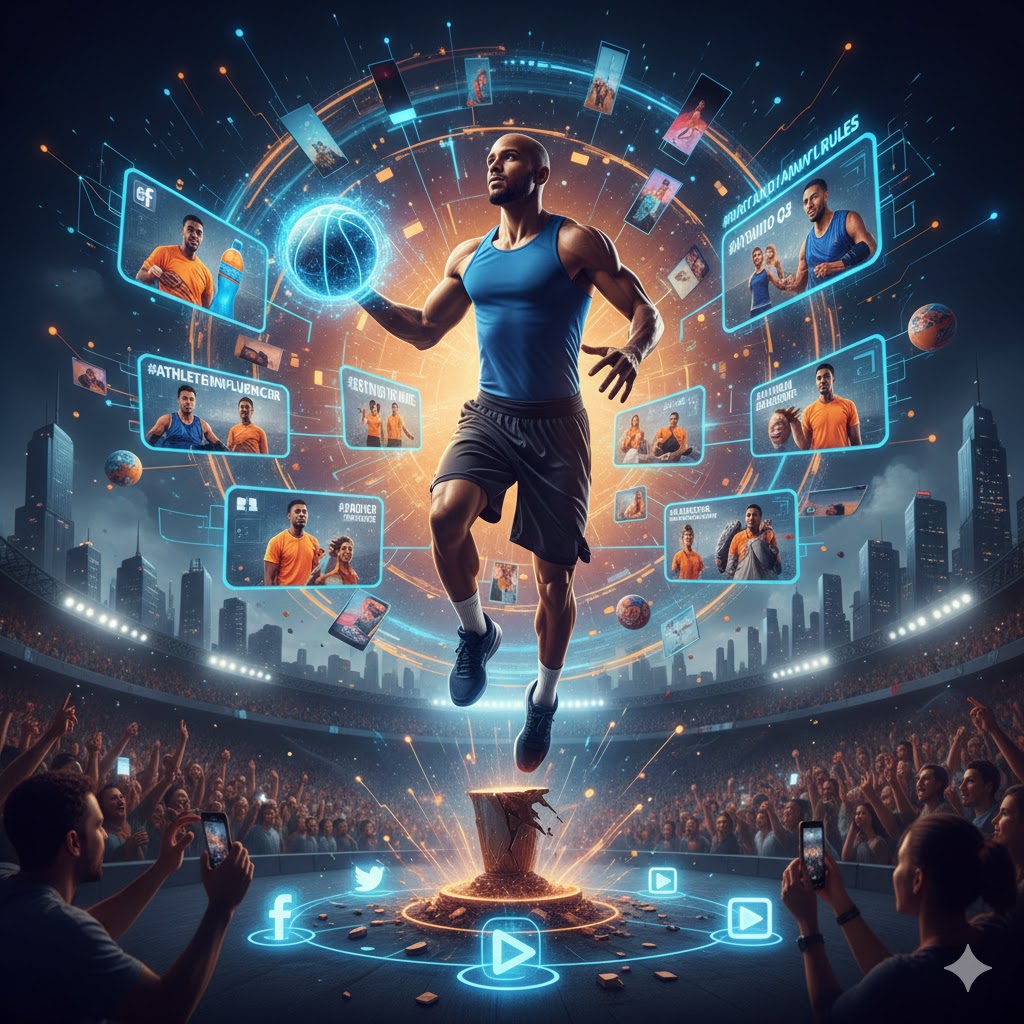
Platforms like Instagram, TikTok, YouTube, and X (Twitter) allow athletes to control their narratives, showcase personalities, and engage directly with fans worldwide. This connectivity has transformed traditional marketing, sponsorships, and fan interaction.
The Evolution of Athlete Branding
Athlete branding used to rely primarily on endorsements, television appearances, and media coverage. Today, social media empowers athletes to communicate directly, bypassing traditional gatekeepers.
I find that this evolution allows athletes to present authentic stories, share behind-the-scenes content, and build communities that reflect their values and personality.
Direct Fan Engagement
Social media fosters immediate interaction. Fans can comment, share, and participate in real-time conversations with their favorite athletes.
I see that this engagement creates loyalty and strengthens personal connections. Athletes become more than competitors—they become accessible figures who resonate with audiences.
Platforms Driving the Change
Different platforms offer unique opportunities:
- Instagram – Visual storytelling through photos, reels, and stories.
- TikTok – Short-form, viral content reaching younger audiences.
- YouTube – Long-form content, tutorials, behind-the-scenes vlogs.
- X (Twitter) – Updates, commentary, personal opinions, and engagement with trending topics.
- Facebook and LinkedIn – Professional announcements, community engagement, and brand partnerships.
Athletes use multiple platforms to diversify reach, engage varied demographics, and tailor messaging.
Personal Storytelling
Athletes now control the narratives surrounding their careers. They share personal struggles, training routines, triumphs, and philanthropy.
I believe that storytelling humanizes athletes, giving fans insight into dedication, character, and values beyond performance stats.
Building a Unique Brand
Athletes can differentiate themselves through style, personality, and messaging. A consistent online presence enhances marketability and public perception.
Those who balance authenticity with professionalism tend to attract the most loyal fanbases and sponsorship opportunities.
Influence on Endorsements and Sponsorships
Social media presence impacts an athlete’s commercial value. Brands seek partnerships with athletes who engage audiences, generate impressions, and align with brand identity.
I see that the combination of reach and engagement often matters as much as on-field performance. An athlete with a massive following can attract major endorsements even before achieving peak competitive success.
Global Reach and Exposure
Social media erases geographic boundaries. Athletes in smaller markets can reach international audiences, while fans worldwide can follow their careers.
I believe that this global exposure elevates profiles, inspires cross-border fanbases, and increases opportunities for international collaborations and endorsements.
Case Studies of Successful Athlete Branding
Several athletes have mastered social media branding:
- Cristiano Ronaldo (Soccer) – Combines performance, lifestyle, philanthropy, and endorsements.
- Serena Williams (Tennis) – Uses platforms for family, advocacy, and empowerment messaging.
- LeBron James (Basketball) – Blends athletic achievement with activism, business ventures, and fan engagement.
- Naomi Osaka (Tennis) – Shares personal challenges and social causes, creating authentic connection.
These athletes leverage multiple platforms, maintain consistency, and align personal values with public image.
Emerging Stars and Viral Influence
Younger athletes use social media to rapidly build fanbases. Viral content, trends, and collaborations accelerate brand growth.
I think that emerging stars can achieve influence comparable to established athletes through creativity, consistency, and relatability.
Positive Impacts of Social Media on Branding
Social media offers multiple benefits:
- Direct engagement with fans – Strengthens loyalty and connection.
- Control of narrative – Athletes can address controversies, announce projects, and share victories.
- Expanded commercial opportunities – Attracts sponsorships, collaborations, and merchandise sales.
- Cultural influence – Athletes can advocate for social causes, inspire communities, and shape public discourse.
The combination of these benefits transforms athletes from performers into influential cultural figures.
Potential Risks and Challenges
Social media also presents challenges:
- Public scrutiny and backlash – Missteps can go viral instantly.
- Pressure to perform online – Maintaining engagement can become stressful.
- Misinformation and trolling – Athletes must manage narratives carefully.
- Privacy concerns – Personal lives are often exposed.
Successful athletes must balance transparency with caution, maintaining authenticity while protecting personal boundaries.
Fan Communities and Interaction
Social media fosters fan-led communities. Hashtags, discussion threads, and fan pages amplify engagement and create shared experiences around athletes and teams.
I find that athletes who participate in these communities increase trust, loyalty, and sustained interest in their personal brand.
Cross-Promotion and Collaboration
Athletes collaborate with influencers, brands, and other athletes to expand reach. Co-created content often introduces fans to new personalities and products.
I see that strategic collaborations can boost exposure, enhance brand alignment, and create viral moments that resonate across platforms.
Integration with Traditional Media
Social media complements traditional coverage. Interviews, highlights, and commentary are amplified, while athletes maintain their own messaging.
This dual approach allows athletes to maximize visibility, influence, and brand control.
Impact on Mental Health and Performance
Social media influence has psychological effects. Positive engagement can motivate, but negative feedback or overexposure may impact mental health.
I think that athletes who manage social media carefully maintain balance, focusing on engagement that supports performance and personal wellbeing.
Future Trends in Athlete Branding
Looking ahead, trends will include:
- Greater emphasis on video content, reels, and live streaming
- Expansion into emerging platforms and technologies
- Increased focus on personal causes, activism, and community engagement
- Data-driven strategies for fan engagement and brand optimization
Athletes who adapt to these trends will continue to dominate branding and influence, both on and off the field.
Why Social Media Will Continue Reshaping Branding
Social media allows athletes to control their image, connect with fans, and expand influence beyond the sport itself. It democratizes communication, empowers storytelling, and transforms traditional sports marketing.
I see that the combination of reach, engagement, and authenticity ensures that athlete branding will continue evolving with digital platforms.
Conclusion: How Social Media Is Reshaping Athlete Branding
Observing the sports landscape, it’s clear why how social media is reshaping athlete branding is a defining story. Athletes now shape narratives, inspire communities, and influence culture on an unprecedented scale.
I believe that those who balance authenticity, engagement, and strategy maximize both impact and longevity. Social media has become a central tool in sports, transforming athletes into global brands, cultural figures, and influencers with power beyond the scoreboard.