
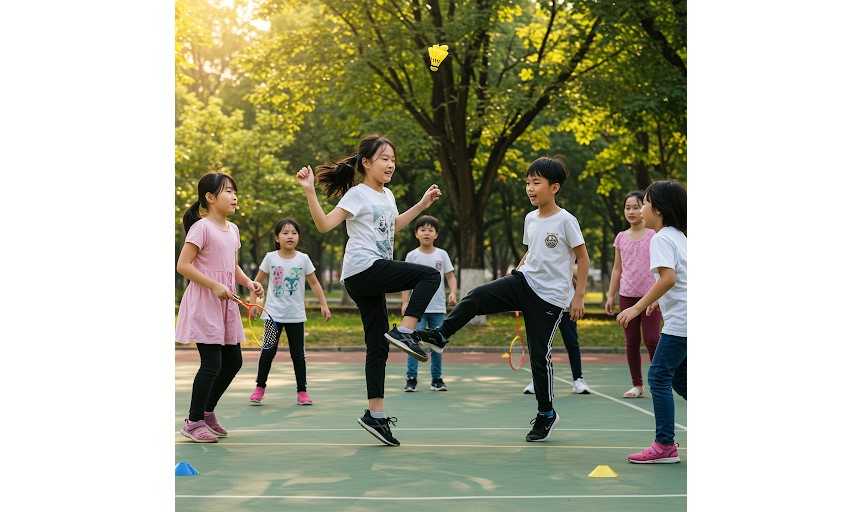
Jianzi: A Timeless Sport Bridging Cultures and Generations
Jianzi, a sport rich in tradition, has captivated players for over two thousand years. Originating in ancient China, Jianzi combines agility, balance, and skill. The objective is simple yet challenging: keep a weighted shuttlecock in the air using any body part except the hands. As a cultural emblem, Jianzi has flourished in parks, schools, and tournaments worldwide. While known primarily in Asia, its global appeal continues to expand. This post explores the fascinating journey of Jianzi, its modern adaptations, and its cultural and political impact.
The Origins and Evolution of Jianzi
Jianzi dates back to the Han Dynasty, over 2,000 years ago. Initially, it served as a military training tool to improve foot coordination. Ancient Chinese texts and murals often depict soldiers and civilians engaged in Jianzi. During the Tang and Song Dynasties, the sport gained popularity among scholars and nobles. It evolved from a military practice into a favored pastime.
The design of the shuttlecock, known as a “jian,” began with feathers inserted into a small coin. Over centuries, materials changed. Modern versions use rubber soles and nylon feathers for better control. The evolution of the shuttlecock reflects technological progress and changing preferences.
By the 20th century, Jianzi experienced a resurgence in China. National pride and cultural preservation efforts rekindled interest. Schools integrated it into physical education programs. It transformed from a street game to a symbol of heritage.
Global Popularity and Cultural Spread
Though Jianzi remains deeply rooted in Chinese culture, it has crossed borders. In Vietnam, the sport is called “Đá cầu” and enjoys widespread popularity. It has become a staple in community events and youth programs.
In Europe, Jianzi gained traction during cultural exchange initiatives. Germany and Hungary host annual tournaments. These events attract players from around the continent. Furthermore, North America has seen a steady rise in interest, particularly in urban parks and college campuses.
Cultural festivals have played a key role in promoting Jianzi globally. Demonstrations and workshops introduce the sport to new audiences. Social media also contributes to its spread. Videos of skilled players performing acrobatics have gone viral, boosting awareness and participation.
Jianzi in Schools and Among Youth
Youth participation remains crucial for the sport’s growth. In China, Jianzi is a regular part of school curricula. Teachers emphasize coordination, discipline, and teamwork through the game. Children begin playing as early as kindergarten.
Vietnam mirrors this educational approach. After-school programs and local clubs offer structured training. Students often compete in regional tournaments. These experiences foster community spirit and physical fitness.
In Western countries, Jianzi is still emerging in schools. However, interest is rising. Physical education instructors are introducing it as a cross-cultural activity. Its simplicity and minimal equipment requirements make it easy to adopt. Teachers appreciate how Jianzi encourages inclusivity and group participation.
Community centers and youth organizations also promote the sport. They host workshops and casual matches. These initiatives provide a platform for young people to connect and learn.
Professional Leagues and Competitive Play
Professionalization has given Jianzi a new dimension. The International Shuttlecock Federation (ISF) governs the sport at a global level. Founded in 1999, ISF sets rules and organizes international tournaments.
Asian countries dominate the competitive scene. China, Vietnam, and Laos have national teams. These teams train rigorously and compete in international championships. The Asian Shuttlecock Championships and the World Shuttlecock Championships are major events.
Vietnam has arguably the most developed professional scene. Clubs receive government funding. Athletes train full-time and enjoy media exposure. Matches are broadcast on television, drawing large audiences.
Europe is catching up. Germany, Hungary, and France have formed national federations. They participate actively in ISF events. The European Shuttlecock Championships provide a competitive platform for regional talent.
Sponsorship and branding opportunities are emerging. Sportswear companies and cultural organizations support teams and events. This financial backing helps develop talent and expand outreach.
Political and Social Significance
Jianzi holds deep political and social importance. In China, it symbolizes cultural continuity. Leaders promote it to foster national pride and unity. During national holidays and festivals, public Jianzi matches are common.
Cross-border tournaments strengthen diplomatic ties. Sports diplomacy has long been a tool for fostering goodwill. Jianzi events between China and Vietnam exemplify this approach.
Socially, the sport bridges generations. Elders play alongside children, sharing skills and stories. This intergenerational exchange reinforces family bonds and community cohesion.
Jianzi also supports social inclusion. It requires no expensive gear or formal training. People from all backgrounds can participate. Community parks and public spaces become vibrant with diverse groups engaging in play.
Furthermore, Jianzi promotes mental well-being. The focus and rhythm of the game encourage mindfulness. It provides a healthy escape from digital distractions.
Detailed Rules of Jianzi
Understanding the rules enhances appreciation for the game. While informal play allows flexibility, professional matches follow strict guidelines.
A standard Jianzi court measures 6.10 meters by 11.88 meters. It resembles a badminton court but without a net. The shuttlecock must meet specific size and weight standards. It typically weighs 15 to 25 grams.
Players may use their feet, knees, chest, shoulders, and head. Hands and arms are prohibited. Kicks must be controlled and directed. The objective is to keep the shuttlecock in the air while passing it to teammates or opponents.
Matches can be played in singles, doubles, or team formats. In doubles and team games, coordination is key. Teams score points when the opposing side fails to return the shuttlecock.
Games usually follow a best-of-three format. Each set is played to 21 points. Players must win by at least two points. A rally scoring system is used, meaning points are awarded on every serve.
Faults occur if the shuttlecock touches the ground, is hit with the hand, or exits the court. Referees monitor gameplay to enforce fairness.
Professional matches include warm-up routines, timeouts, and player rotations. Athletes wear uniforms and often perform stretches and rituals before starting.
The Cultural Revival of Jianzi
Jianzi’s resurgence aligns with broader cultural revival movements. Governments and communities are investing in heritage sports. By embracing Jianzi, societies reclaim part of their identity.
Museums and cultural centers now include Jianzi in their exhibits. These displays educate the public about its historical and social value. Documentaries and films further raise awareness.
Youth are encouraged to explore traditional activities. Jianzi provides a bridge between past and present. It connects digital-age kids with analog experiences.
Art and literature also reflect Jianzi’s presence. Poems and paintings celebrate the sport’s elegance and spirit. Artists depict players in motion, capturing moments of grace and concentration.
Technology and Modern Adaptations
Technology has modernized how people learn and play Jianzi. Apps and video tutorials offer easy access to training techniques. Online communities allow players to share tips and challenges.
Virtual tournaments have emerged, especially during global lockdowns. Players submit videos for judging. This approach keeps the community active and connected.
Smart equipment is on the rise. Developers are experimenting with sensor-enhanced shuttlecocks. These tools track performance and offer feedback.
Innovative court designs and LED lighting enhance visual appeal. These features attract younger audiences and elevate the game’s profile.
Live streaming has brought tournaments to a global audience. Fans can watch matches in real-time, supporting their favorite teams.
Challenges and the Future
Despite its rich legacy, Jianzi faces challenges. Global recognition remains limited. Unlike soccer or basketball, it lacks widespread commercial support.
Efforts are underway to include Jianzi in multi-sport events. Advocates push for its addition to the Asian Games or even the Olympics. Such recognition would elevate its status.
Training infrastructure needs expansion. Many regions lack professional coaching and facilities. Investment in grassroots programs is essential.
Nevertheless, the future looks promising. Youth interest continues to grow. Cultural appreciation remains strong. Technological advancements offer new possibilities.
Collaborations with other sports organizations may boost visibility. Cross-promotions and partnerships can attract new fans.
Community support remains the backbone. Local clubs and passionate players keep the spirit alive.
Conclusion
Jianzi is more than just a sport. It is a cultural treasure that inspires, connects, and unites. From ancient battlefields to modern schoolyards, it has stood the test of time. Its blend of artistry and athleticism captivates hearts around the world.
As we look to the future, Jianzi holds the potential to gain even greater global recognition. With support from governments, communities, and fans, its legacy will continue to thrive. Embracing Jianzi means celebrating movement, heritage, and human connection.
Whether played for fun or glory, Jianzi offers something for everyone. The shuttlecock flies not just through the air, but across time and borders, carrying with it the soul of a sport that endures.