Mountainboarding: The Extreme Sport You Should Know About
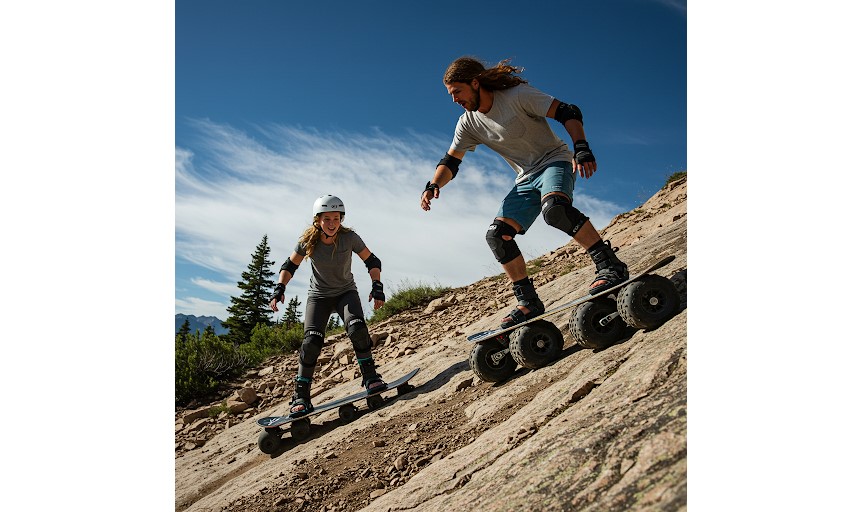
Mountainboarding is an adrenaline-fueled sport that combines elements of snowboarding, skateboarding, and mountain biking. It involves riding an all-terrain board down hills, across trails, or through freestyle parks. Unlike snowboarding, it can be practiced all year round, making it accessible to thrill-seekers in any season. Though not as mainstream as some other extreme sports, Mountainboarding has grown steadily and developed a tight-knit global community. It is gaining momentum as an inclusive and dynamic sport for people of all ages. In this article, we’ll explore the rich history of Mountainboarding, its growing popularity, the amateur scene, professional leagues, societal impact, and the essential rules of the sport.
The Origins and History of Mountainboarding
Mountainboarding emerged in the early 1990s. Pioneers of the sport sought a way to replicate the feeling of snowboarding during warmer months. Innovators like Jason Lee, Dave and Pete Tatham, and Joe Ingles built early prototypes of mountainboards. These boards featured large, inflatable tires and sturdy decks designed for rough terrain. Their invention opened new possibilities for board sports.
Initially, boards were clunky and hard to control. Over time, designs improved dramatically. Engineers refined shock absorption systems and improved braking mechanisms. By the late 1990s, Mountainboarding gained traction in the UK and the United States. Events and competitions sprang up in mountain towns and on rural farms. Enthusiasts gathered to showcase their skills and advance the sport’s techniques.
In 1992, MBS (Mountainboard Sports) was founded. MBS played a crucial role in popularizing the sport and standardizing equipment. Their innovations helped establish Mountainboarding as a legitimate extreme sport. As interest grew, more manufacturers and riders entered the scene.
Global Popularity and Where It’s Played
Though Mountainboarding began in the US and UK, it now spans the globe. Countries like Australia, France, Brazil, Japan, and South Africa boast passionate communities. The terrain diversity in these regions makes them ideal for the sport. Each country offers unique conditions, from sand dunes to forest trails.
In Europe, France and Germany have developed extensive mountainboard parks. Riders travel long distances to experience these locations. Events like the European Mountainboard Open draw large crowds. Competitors come from every continent to test their skills.
Brazil has taken a unique approach. Riders often train on sugarcane hills or in suburban areas. Their innovative spirit keeps the sport growing despite fewer dedicated parks. Similarly, Japan’s mountainous regions have become hotspots for riders. Mountainboarding blends seamlessly with the country’s deep appreciation for outdoor adventure.
In the United States, states like Colorado, California, and Utah are epicenters. These states offer a combination of mountain trails and dirt tracks. Events like the US Open of Mountainboarding attract elite riders and fans alike. Media coverage, although still niche, continues to increase.
Australia hosts numerous competitions and maintains a thriving youth scene. The sport aligns with the country’s love of the outdoors and high-energy activities. In South Africa, the sport is gaining ground. Local organizations host workshops to introduce more young people to mountainboarding.
Amateur Mountainboarding, Youth, and Schools
The amateur Mountainboarding scene is flourishing. Community clubs are at the heart of its growth. These clubs offer lessons, host events, and support new riders. Social media also plays a vital role. Riders share videos, tutorials, and event footage, inspiring others to join.
Youth involvement is especially promising. In many countries, schools have adopted mountainboarding as part of their physical education programs. The sport teaches balance, coordination, and confidence. Students quickly become enthusiastic about learning new tricks and riding trails.
Summer camps are another entry point for young riders. These camps provide safe environments and experienced instructors. Kids progress quickly in skill while building friendships. Organizations such as ATBA-UK and the International Mountainboarding Association support these efforts. Their goal is to make the sport accessible to all.
Amateur competitions also drive participation. Events are organized for various age groups and skill levels. Riders develop both physically and mentally through competition. Parents often attend, creating a family-friendly atmosphere.
Instructors stress the importance of safety. Helmets, pads, and proper footwear are mandatory. Beginners learn the fundamentals before attempting tricks or advanced terrain. As a result, the injury rate remains relatively low compared to other extreme sports.
Professional Leagues and Competitions Around the World
Professional mountainboarding has made significant strides. Several organizations now host global competitions. These include the International Mountainboarding Association (IMA), ATBA-UK, and the American Mountainboard Association (AMA). Each group maintains strict standards to ensure fairness and safety.
The World Mountainboard Championships is the most prestigious event. Riders qualify through regional events in their home countries. The competition tests a range of skills, including downhill racing, freestyle tricks, and boarder cross.
Freestyle events showcase creativity and technical ability. Riders perform flips, spins, and grabs off jumps. Judges score them based on difficulty, execution, and style. Boarder cross races involve multiple riders navigating a track with jumps, berms, and obstacles.
Top riders often secure sponsorships. These athletes travel the world, competing in events and promoting the sport. Social media also plays a crucial role in their careers. Riders maintain followings that help attract brands and new fans.
Countries like France and the UK dominate the pro scene. However, new talent is emerging from unexpected places. South American and Asian riders are beginning to make waves. This global growth bodes well for the future of Mountainboarding.
The Political and Social Significance of the Sport
Mountainboarding holds more than just recreational value. Socially, it brings people together from diverse backgrounds. The sport fosters a strong sense of community. Riders support one another, regardless of skill level or nationality.
Politically, the sport advocates for access to natural spaces. Many riders push for public land use and trail maintenance. In some areas, mountainboarders have partnered with local governments to develop riding parks. These collaborations benefit entire communities.
Inclusion is another core value. The sport welcomes riders of all genders, races, and abilities. Events often feature adaptive athletes who use customized gear. These efforts promote broader acceptance and equality in action sports.
Environmental stewardship is central to mountainboarding culture. Riders respect the trails and work to minimize impact. Cleanup events and sustainability efforts are common within the community. The sport teaches a deep appreciation for nature.
Education programs are also expanding. Organizations run workshops that teach environmental ethics alongside riding skills. These programs help shape responsible future athletes. Schools and camps increasingly incorporate these lessons into their curriculum.
Rules and Regulations of Mountainboarding
Mountainboarding features several formats, each with specific rules. Freestyle, boarder cross, and downhill are the main categories. Each format requires a different skill set and approach.
In freestyle events, riders perform tricks off ramps and jumps. Judges score based on execution, difficulty, and creativity. Safety gear is mandatory. Riders must complete runs within a set time limit.
Boarder cross races involve multiple riders on the same track. The course includes berms, jumps, and obstacles. The first rider to finish wins. Contact is permitted but intentional interference results in penalties.
Downhill events test speed and control. Riders descend long trails, often through forests or open terrain. Time trials determine winners. Courses may have technical sections that challenge maneuverability.
All riders must wear helmets, gloves, and pads. Gear checks occur before every event. Boards must meet size and weight regulations. Event organizers ensure all equipment complies with safety standards.
Practice sessions take place before competitions. These sessions allow riders to familiarize themselves with the course. Spotters and medics remain on standby in case of accidents. Fair play and sportsmanship are heavily emphasized.
Training outside of competition includes regular drills, conditioning, and skill development. Riders often cross-train with other sports to improve performance. Mental preparation is equally important. Visualization and focus techniques help riders perform under pressure.
Conclusion
Mountainboarding continues to grow as a sport with deep roots and a dynamic future. Its origins in innovation and passion have led to a global movement. Riders across continents share a common love for adventure and community.
From youth programs to professional leagues, the sport offers something for everyone. It promotes physical fitness, environmental awareness, and social inclusion. As more people discover Mountainboarding, its impact will only increase.
By understanding the sport’s history, rules, and cultural significance, we can appreciate it even more. Whether you’re a curious newcomer or an experienced rider, Mountainboarding has something to offer. Now is the perfect time to grab a board and hit the trails.
Let the ride begin.