
The Complete Guide to One Day International Cricket
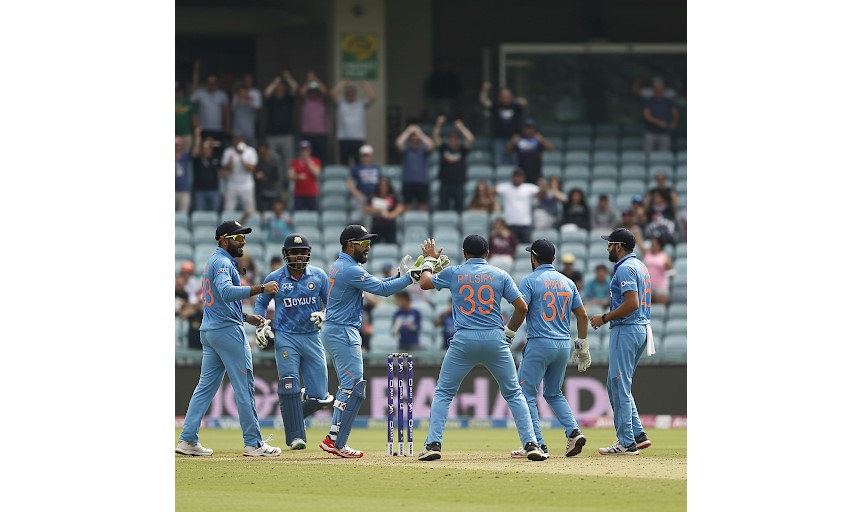
One Day International Cricket is one of the most popular forms of the sport. It brings the thrill of limited-overs competition into a single, action-packed day. Fans around the world eagerly follow international rivalries, historic matches, and rising talents. One Day International Cricket is unique, blending tradition with modern innovation. Because of its global reach, it plays an important cultural and political role. This blog will explore its origins, global popularity, youth involvement, professional leagues, social impact, and the rules that define the game.
The Origins of One Day International Cricket
Cricket has been played for centuries, but the concept of limited-overs matches evolved more recently. In the 1960s, English domestic competitions experimented with shortened formats. Traditional multi-day games often faced weather disruptions and lower spectator attendance. In response, a one-day format was introduced to make the sport more engaging.
The first official One Day International match took place on January 5, 1971. It was played between Australia and England at the Melbourne Cricket Ground. A rain-affected Test match prompted organizers to play a 40-over match instead. This impromptu contest marked the beginning of a new era.
The popularity of this shorter version grew quickly. Fans enjoyed the fast pace, exciting finishes, and guaranteed results. By the late 1970s, One Day Internationals (ODIs) had become a regular fixture in international cricket schedules.
The Global Popularity of ODI Cricket
Today, One Day International Cricket enjoys a massive following. The sport is especially loved in countries such as India, Pakistan, Australia, England, South Africa, Sri Lanka, and New Zealand. The International Cricket Council (ICC) governs the sport and organizes global tournaments, including the prestigious Cricket World Cup.
In India, ODIs are followed by millions. Stadiums fill with passionate fans, and TV ratings soar during big matches. The subcontinent’s love for cricket is unmatched. Similarly, Australia and England view ODIs as a vital part of their cricketing culture.
Outside the traditional cricket-playing nations, the sport is expanding. Countries like Afghanistan, Ireland, and the Netherlands have made significant strides. Their participation in international tournaments showcases cricket’s growing footprint.
Broadcast deals and digital platforms have brought ODI cricket to new audiences. Streaming services provide access to games across the globe. As a result, the fan base continues to diversify and expand.
ODI Cricket in Youth and Schools
Cricket development at the grassroots level is essential. Many cricket boards invest heavily in youth programs. These initiatives help identify and nurture talent from an early age.
School-level tournaments form the backbone of amateur ODI-style cricket. Young players learn the basics of batting, bowling, and fielding in these settings. Coaches emphasize discipline, strategy, and teamwork.
Countries like India and Australia have structured pathways for young cricketers. Talented individuals progress from school teams to district, state, and national levels. In England, the ECB supports schools through programs like “Chance to Shine.”
Associations also run age-group competitions such as Under-15, Under-17, and Under-19 tournaments. These platforms mimic the format and intensity of professional ODIs. The ICC Under-19 World Cup is a key event that showcases future stars.
NGOs and sports academies further bridge the gap for underprivileged youth. They offer training, equipment, and coaching, ensuring that talent is not wasted due to lack of resources.
Professional ODI Leagues Around the World
While ODI cricket is primarily associated with international matches, domestic leagues also play a crucial role. Several countries organize 50-over tournaments to promote this format.
In India, the Vijay Hazare Trophy is the premier List A competition. It features state teams competing in a format similar to ODIs. This league helps players prepare for international duty.
Australia’s Marsh One-Day Cup is another key competition. Many top Australian players participate, making it a valuable proving ground for young talent. Similarly, the Royal London One-Day Cup in England offers players an opportunity to gain experience.
South Africa hosts the CSA One-Day Cup. It includes provincial teams and serves as a feeder system for the national squad. Pakistan’s National One-Day Cup fulfills a similar role.
Although T20 leagues dominate the domestic scene, these 50-over tournaments retain their importance. They keep the ODI format alive and maintain a pipeline of talent for national teams.
Political and Social Significance
Cricket often goes beyond the boundary lines. In many countries, the sport plays a significant political and social role.
Matches between rivals like India and Pakistan carry intense national emotions. These games are about more than just sport. They represent historical and political narratives. Governments have even used cricket diplomacy to ease tensions.
Socially, cricket serves as a unifying force. It brings together people from different backgrounds and regions. Street cricket in slums, rural pitches, and elite academies all share the same passion for the game.
Cricket heroes become national icons. Their success stories inspire youth and bring hope. Figures like Sachin Tendulkar, AB de Villiers, and Kumar Sangakkara transcend the game. They influence fashion, politics, and philanthropy.
In war-torn regions or areas facing hardship, cricket provides an escape. It instills discipline, purpose, and joy. NGO-driven programs use cricket to teach life skills and build communities.
Cricket has also played a role in breaking barriers. Female cricketers are gaining recognition. Initiatives promoting inclusivity and gender equality are transforming the sport’s image.
Rules of One Day International Cricket
Understanding the rules is essential to appreciating ODI cricket. Each team plays a maximum of 50 overs. An over consists of six legal deliveries bowled by one player.
A coin toss decides which team bats or bowls first. The team batting first aims to set a competitive score. The opposition then tries to chase it down within 50 overs.
Each side has 11 players. The batting team sends out two players at a time. The bowling team positions fielders strategically to prevent runs or take wickets.
A batsman can be dismissed in several ways: bowled, caught, leg before wicket (LBW), run out, or stumped. Once 10 players are out, the innings ends.
Powerplays are a unique feature. During the first 10 overs, only two fielders are allowed outside the 30-yard circle. This encourages aggressive batting early in the game.
The batting Powerplay usually occurs between overs 11 and 40. It allows four fielders outside the circle. In the final 10 overs, five fielders can patrol the boundary.
Umpires monitor conduct, scoring, and rule enforcement. The Decision Review System (DRS) enables players to challenge umpiring decisions using technology.
Rain interruptions often impact ODIs. The Duckworth-Lewis-Stern (DLS) method adjusts targets in such cases. This maintains fairness and balance.
Each match concludes with a result—win, loss, tie, or no result. Points from these outcomes contribute to team rankings.
Conclusion
One Day International Cricket continues to captivate fans worldwide. Its fast pace, strategic depth, and emotional impact make it special. From school grounds to world stages, it shapes lives and societies.
Its history reveals a sport willing to adapt and grow. Its global reach connects diverse cultures and people. The involvement of youth ensures a bright future. Professional leagues keep standards high. Socially and politically, it remains powerful.
Whether you’re a lifelong fan or a newcomer, One Day International Cricket offers something unique. It’s more than a game—it’s a movement. It entertains, educates, and unites millions across the globe.