
Pickleball Balls Explained – Indoor vs Outdoor
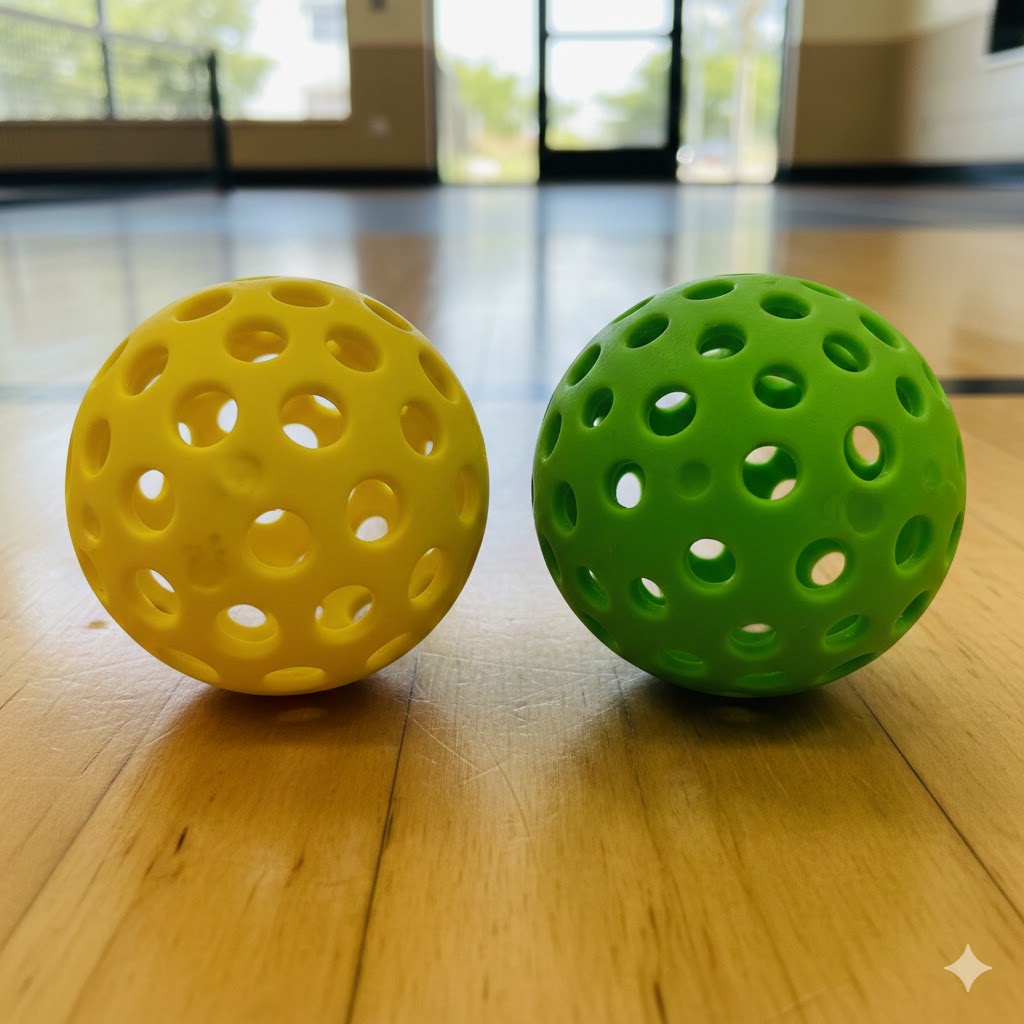
Pickleball balls may look simple, but choosing the right one makes a noticeable difference. Indoor and outdoor Pickleball balls are not interchangeable, and using the wrong type can affect bounce, control, and overall enjoyment.
For beginners, understanding these differences early prevents frustration and helps the game feel smoother from the start. This guide explains how Pickleball balls work, the key differences between indoor and outdoor options, and how to choose the right ball for your playing environment.
If you are new to the sport, our Ultimate Beginner’s Guide to Pickleball provides a complete overview of rules, equipment, and court basics before diving deeper into specific gear like balls and paddles.
Why Pickleball Balls Matter More Than You Think
Unlike tennis balls, Pickleball balls are lightweight, plastic, and perforated. These characteristics directly affect how the ball moves through the air and reacts off the paddle.
Using the correct ball ensures:
- Predictable bounce
- Better control
- Longer rallies
- Less wear on paddles
For beginners, consistency matters more than speed or power. The right ball helps create that consistency.
The Two Types of Pickleball Balls
Pickleball balls fall into two main categories: indoor and outdoor. While they look similar, their construction differs in important ways.
Indoor Pickleball Balls Explained
Indoor Pickleball balls are designed for gym floors and smooth indoor courts.
Key Features of Indoor Balls
- Larger holes (typically 26)
- Softer plastic
- Lighter weight
- Quieter sound
Because indoor courts eliminate wind, these balls focus on touch and control rather than durability.
How Indoor Balls Play
Indoor balls bounce slightly higher and move more slowly through the air. This makes them ideal for beginners learning shot placement and control.
However, they wear out faster when used outdoors and should never be played on rough surfaces.
Outdoor Pickleball Balls Explained
Outdoor Pickleball balls are built to withstand tougher conditions.
Key Features of Outdoor Balls
- Smaller holes (typically 40)
- Harder plastic
- Heavier weight
- Greater durability
The smaller holes reduce wind resistance, allowing the ball to fly straighter outdoors.
How Outdoor Balls Play
Outdoor balls move faster and bounce lower than indoor balls. Wind, temperature, and court texture all influence performance.
Beginners may find outdoor balls less forgiving, but proper ball choice still improves consistency.
Indoor vs Outdoor Pickleball Balls: Side-by-Side Comparison
| Feature | Indoor Ball | Outdoor Ball |
|---|---|---|
| Hole Size | Larger | Smaller |
| Plastic | Softer | Harder |
| Speed | Slower | Faster |
| Bounce | Higher | Lower |
| Durability | Lower | Higher |
| Best Use | Gyms, smooth courts | Concrete, asphalt |
This comparison highlights why switching ball types based on location matters.
How Environment Affects Pickleball Ball Performance
Several environmental factors impact how Pickleball balls behave.
Surface Type
Smooth indoor courts allow softer balls to perform properly. Rough outdoor surfaces quickly damage indoor balls.
Temperature
Cold temperatures make outdoor balls brittle. In extreme cold, cracking becomes common. Some brands offer cold-weather outdoor balls to reduce breakage.
Wind
Wind dramatically affects ball flight. Outdoor balls handle wind far better due to smaller holes and added weight.
Understanding these factors helps beginners choose wisely.
Common Beginner Mistakes with Pickleball Balls
Many new players unknowingly make simple mistakes.
First, they use indoor balls outdoors. This leads to poor performance and rapid damage.
Second, they assume all Pickleball balls are the same. Small design differences create noticeable effects.
Finally, beginners sometimes blame their paddle or technique when the real issue is the wrong ball.
Avoiding these mistakes improves confidence quickly.
How Pickleball Balls Fit Into Your Equipment Setup
Pickleball equipment works best as a system. Paddles, balls, shoes, and courts all influence play.
For example, a control-oriented paddle pairs well with a faster outdoor ball. Meanwhile, indoor play benefits from softer balls and lighter paddles.
If you have not yet chosen a paddle, our Pickleball paddles for beginners guide explains how materials, weight, and grip size affect performance.
How Often Should You Replace Pickleball Balls?
Pickleball balls wear out faster than many players expect.
Replace a ball when:
- Cracks appear
- Bounce becomes inconsistent
- The ball feels soft or warped
Outdoor balls usually last longer, but frequent play shortens lifespan. Playing with worn balls negatively affects learning and enjoyment.
Are Expensive Pickleball Balls Worth It?
Price differences exist, but beginners do not need premium tournament balls.
Mid-range balls from reputable brands provide excellent performance and durability. Focus on correct type rather than highest price.
As skill level increases, players may notice subtle differences and adjust preferences.
Final Thoughts on Pickleball Balls for Beginners
Choosing the right Pickleball ball creates a smoother learning experience. Indoor and outdoor balls serve different purposes, and switching between them based on environment matters.
For beginners, consistency builds confidence. The right ball supports that goal.
With a solid understanding of ball selection, new players can focus on improving skills and enjoying the game.