
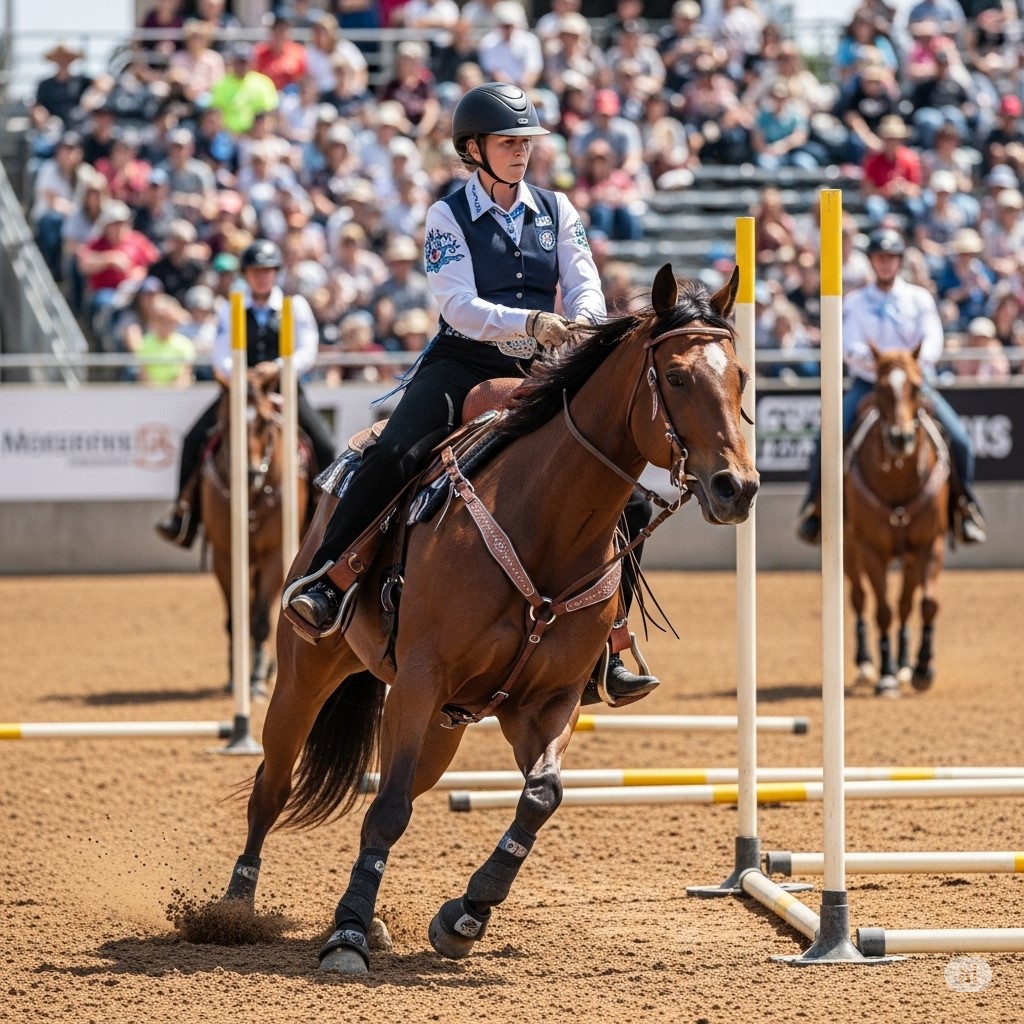
A Comprehensive Guide to the Thrilling Sport of Pole Bending
Pole bending is an electrifying equestrian sport that combines speed, agility, and precision. This dynamic event has captured the hearts of horse enthusiasts worldwide. With its roots in rodeo culture, it continues to thrive in various competitive settings, from youth leagues to professional championships. In this post, we delve deep into the origin, history, and global popularity of pole bending. We will also explore its rules, social significance, and appeal across different demographics.
The Origins and History
The history traces back to the mid-20th century, primarily in the United States. Originally, it was introduced as a rodeo event aimed at showcasing the agility and training of horses. Although the exact origins are unclear, pole bending is believed to have evolved from traditional gymkhana games. These games were recreational activities designed to test equestrian skills through various obstacle courses.
The earliest recorded competitive pole bending events emerged during rodeo performances in the 1950s. Over time, it gained popularity, becoming a staple in junior rodeo circuits. The simplicity of the setup—requiring only six poles and an open arena—made it accessible for small-town communities and major events alike. Today, the sport has grown to include global participation, with dedicated leagues and competitions.
Global Popularity
Pole bending has transcended its American origins, finding a passionate audience worldwide. While it remains most popular in the United States, countries such as Canada, Australia, and parts of Europe have embraced it enthusiastically. International equestrian events often include pole bending as part of their schedules, highlighting its universal appeal.
In North America, pole bending is a regular feature in high school rodeos and amateur equestrian events. Canada’s thriving equestrian culture has also incorporated the sport, with events held alongside barrel racing and other rodeo activities. Similarly, Australia hosts numerous competitions, often under the banner of campdrafting or gymkhana events.
In Europe, the sport is growing steadily, particularly in equestrian clubs and youth leagues. Countries like the United Kingdom and Germany have started including pole bending in local equestrian meets. This global expansion underscores the sport’s adaptability and the universal appeal of its fast-paced action.
Amateur Pole Bending: Youth and Schools
One of the most remarkable aspects of pole bending is its accessibility to amateur participants. Youth leagues and school programs play a vital role in nurturing young talent. In the United States, high school rodeos often include it as a competitive event. These events allow students to showcase their equestrian skills while building discipline and sportsmanship.
Organizations such as the National High School Rodeo Association (NHSRA) have been instrumental in promoting it among young riders. They provide structured competitions and scholarships, encouraging students to pursue equestrian sports alongside academics.
In addition to schools, community equestrian centers frequently host amateur pole bending events. These events are designed to introduce beginners to the sport in a friendly and supportive environment. With proper coaching and practice, many young riders transition from amateur leagues to professional circuits.
Professional Leagues and Competitions
The professional landscape of pole bending is as vibrant as its amateur counterpart. Numerous leagues and organizations dedicate themselves to advancing the sport. The Women’s Professional Rodeo Association (WPRA) is a prominent organization that includes it in its rodeo events. Their commitment to promoting women’s participation has significantly contributed to the sport’s growth.
In addition to WPRA, other rodeo associations such as the Professional Rodeo Cowboys Association (PRCA) and the International Professional Rodeo Association (IPRA) feature pole bending in their events. These organizations uphold rigorous standards and provide lucrative prize money, attracting top-tier talent.
Outside of the United States, professional pole bending events are gaining traction. In Australia, events like the Australian Bushmen’s Campdraft and Rodeo Association (ABCRA) often include it in their programs. Similarly, European equestrian federations are beginning to recognize the sport, with dedicated leagues and competitions emerging in several countries.
Political and Social Significance
It holds a unique position in the cultural fabric of equestrian sports. Politically, it has played a role in advocating for gender equality in rodeo events. Historically, women’s participation in rodeo was limited to specific events like barrel racing. However, the inclusion of pole bending has provided more opportunities for female riders to compete on equal footing.
Socially, the sport fosters community and camaraderie. Local events often bring together participants and spectators from diverse backgrounds. This inclusive atmosphere promotes mutual respect and appreciation for equestrian traditions. Furthermore, youth involvement in the sport helps instill values of responsibility, perseverance, and teamwork.
The Rules of Pole Bending
The rules of pole bending are straightforward but require precision and skill. A standard pole bending course consists of six poles set in a straight line. Each pole stands 6 feet tall and is spaced 21 feet apart. Riders must weave their horses through the poles in a serpentine pattern, ensuring they do not knock any poles over.
The course begins with the rider sprinting to the far end of the arena. Once there, they turn and weave through the poles, alternating directions as they pass each one. After completing the weave, they sprint back to the finish line. The entire run is timed, with the fastest time winning the event. Penalties are incurred for knocking over poles or failing to follow the prescribed pattern.
In addition to speed, accuracy is crucial in pole bending. Riders must maintain control of their horses while navigating the tight turns and narrow spaces between poles. This combination of athleticism and precision makes it a thrilling spectacle for both participants and spectators.
Why Pole Bending Captures the Imagination
Pole bending’s appeal lies in its unique blend of speed, strategy, and skill. For riders, it offers a challenging yet rewarding test of their horsemanship. For spectators, the sport’s fast-paced action and dramatic finishes provide non-stop entertainment.
Moreover, pole bending serves as a bridge between generations of equestrians. Many families participate in the sport together, with parents coaching their children and sharing their passion for riding. This intergenerational involvement strengthens the community and ensures the sport’s continued growth.
Conclusion
Pole bending is far more than a competitive event; it is a celebration of equestrian excellence and community spirit. From its humble beginnings in American rodeos to its global presence today, the sport has captivated audiences and participants alike. By nurturing young talent, fostering inclusivity, and providing thrilling entertainment, it continues to thrive as a beloved equestrian discipline.
Whether you are an aspiring rider or a seasoned professional, it offers something for everyone. Its rich history, dynamic rules, and social significance make it a sport worth celebrating. As it continues to grow, pole bending promises to inspire new generations of equestrians around the world.