
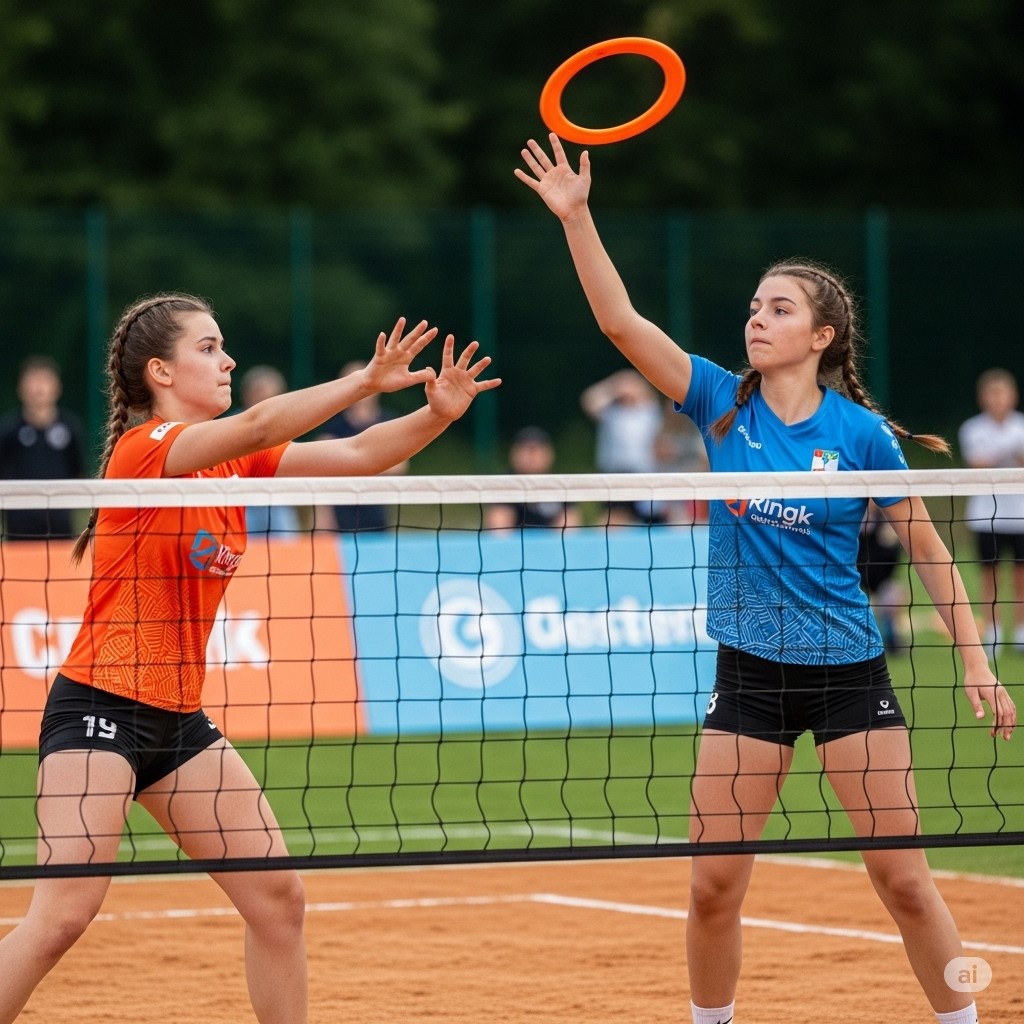
The World of Ringo: A Comprehensive Guide
Ringo, a dynamic and engaging sport, is beloved by enthusiasts worldwide. This fast-paced game combines strategy, agility, and teamwork. While it may not yet rival mainstream sports in global prominence, its cultural and social significance continues to grow. In this blog post, we will delve into the origins and history of Ringo, explore its global popularity, examine amateur and professional play, and discuss its rules. By the end, you’ll understand why it deserves a prominent place in the sporting world.
Origins and History of Ringo
The story begins in Poland during the mid-20th century. Włodzimierz Strzyżewski, a physical education instructor and fencing coach, invented the sport in 1959. Initially designed as a training tool for fencers, Ringo aimed to improve reflexes, coordination, and movement precision. Over time, the game evolved into a standalone sport.
In its early years, it spread through Polish schools and community centers. It gained momentum due to its simplicity, requiring minimal equipment: a lightweight rubber ring and a court. By the 1970s, Ringo tournaments were held across Poland, attracting both children and adults. The sport’s popularity began crossing borders, especially into neighboring countries.
The first international competition occurred in the 1980s. Poland hosted teams from Eastern Europe, showcasing the sport’s competitive and entertaining aspects. Today, it is recognized by the International Ringo Federation (IRF), which oversees its rules, competitions, and global development.
Global Popularity of Ringo
Although its origins are rooted in Poland, it has found fans worldwide. It is played in Europe, Asia, Africa, and the Americas. Each region has adapted the game to suit its cultural and recreational preferences. For example, in parts of Africa, Ringo is often incorporated into community events, emphasizing inclusivity and fun.
European countries such as Germany, Russia, and the Czech Republic have embraced the sport. Schools and sports clubs frequently include it in their extracurricular programs. In Asia, countries like India and the Philippines have seen a rise in amateur Ringo leagues, particularly in urban areas where space-efficient sports are favored.
In the Americas, the sport is gaining traction in countries like Brazil and Canada. Efforts by the IRF and local organizations have promoted Ringo through workshops and exhibitions. Despite its relatively niche status, the sport’s accessibility and health benefits contribute to its growing global appeal.
Amateur Ringo: Youth and School Involvement
Amateur Ringo thrives in schools and youth organizations. Its straightforward rules and minimal equipment make it ideal for physical education programs. Teachers often use the sport to teach teamwork, coordination, and strategic thinking. In Poland, it remains a staple in school sports curriculums.
Youth leagues in countries like Germany and India host regular tournaments. These events foster a sense of community among players and their families. Additionally, they provide young athletes with opportunities to develop their skills and sportsmanship.
Nonprofit organizations have also adopted Ringo to promote physical activity in underserved areas. The simplicity of the sport allows it to be played in various environments, from gymnasiums to open fields. Consequently, Ringo has become a tool for improving health and well-being among children and teenagers.
Professional Leagues and Competitions
Professional Ringo leagues, while not as numerous as those of mainstream sports, are steadily emerging. The International Ringo Federation organizes the annual World Ringo Championships, attracting teams from multiple continents. These events showcase the highest level of skill and competition.
In Europe, national leagues exist in Poland, Germany, and Russia. Clubs often compete in regional and international tournaments, building a vibrant competitive scene. Asian countries like Japan and South Korea are also developing professional Ringo circuits, supported by corporate sponsorships.
Efforts to expand professional Ringo include broadcasting matches and using social media for promotion. These initiatives aim to increase the sport’s visibility and attract new audiences. As more countries establish leagues, the potential for Ringo to become a global sporting phenomenon continues to grow.
Political and Social Significance
Beyond its athletic appeal, Ringo holds political and social importance. In Poland, the sport symbolizes national pride and cultural heritage. Its invention is celebrated as a testament to Polish ingenuity and creativity.
On a broader scale, Ringo has been used as a tool for diplomacy and cultural exchange. International tournaments bring together players from diverse backgrounds, fostering mutual understanding and camaraderie. Such events demonstrate the unifying power of sports.
Socially, Ringo promotes inclusivity and accessibility. Its low barrier to entry ensures that people of all ages and abilities can participate. This inclusiveness makes it particularly valuable in promoting physical activity in communities with limited resources. Furthermore, the sport’s emphasis on teamwork and fair play encourages positive social interactions.
Rules of Ringo
The rules are straightforward, making it easy to learn and play. The game can be played individually or in teams. Below is an overview of the key rules:
- Objective: Players aim to throw a rubber ring into the opponent’s court while preventing it from hitting the ground on their side.
- Court Dimensions: A standard Ringo court measures 9 meters by 18 meters for doubles and 9 meters by 9 meters for singles.
- Equipment: The game uses a lightweight rubber ring, approximately 17 centimeters in diameter.
- Scoring: Points are scored when the opponent fails to catch the ring or throws it out of bounds. Matches are typically played to 15 or 21 points, depending on the tournament rules.
- Gameplay: Players must catch and throw the ring in one motion. Holding the ring for longer than three seconds results in a penalty. Additionally, the ring must be thrown over a net, which stands 2.43 meters high.
- Rotation: In team play, players rotate positions after each point, ensuring everyone participates equally.
These rules emphasize speed, precision, and teamwork, creating a thrilling experience for players and spectators alike.
Conclusion
Ringo, though not as widely known as other sports, offers a unique blend of simplicity, inclusivity, and excitement. From its humble beginnings in Poland to its growing global presence, the sport continues to unite people through play. Whether enjoyed casually in schools or fiercely contested in professional leagues, Ringo embodies the universal appeal of sports. As awareness of its benefits spreads, the future of Ringo looks brighter than ever. Now is the perfect time to join the Ringo movement and experience the joy of this remarkable game.