
Road Bicycle Racing: A Deep Dive Into Its Origins, Popularity, Structure, and Global Significance
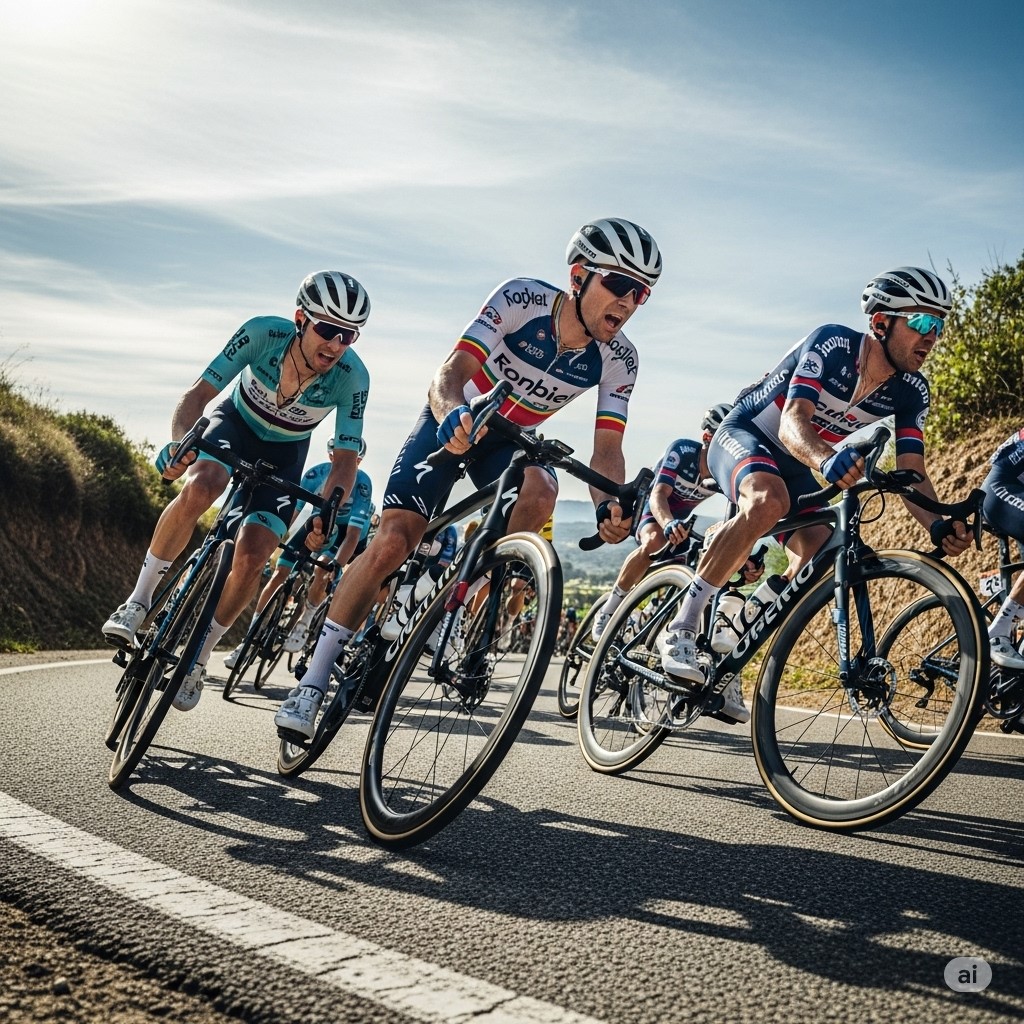
Road Bicycle Racing is one of the oldest and most thrilling endurance sports in the world. With origins rooted in Europe, it has expanded globally, influencing culture, politics, and society. From grassroots youth competitions to elite international championships, the sport continues to grow. Road Bicycle Racing offers a mix of athleticism, strategy, and resilience that captures the imagination of fans and athletes alike.
The Origins and History
The history of Road Bicycle Racing dates back to the 19th century. The first documented race occurred in Paris in 1868. Organized at the Parc de Saint-Cloud, it was won by James Moore, an Englishman living in France. He rode a wooden bicycle with iron tires.
A year later, in 1869, the first long-distance race was held from Paris to Rouen. This event marked the true beginning of competitive road cycling. Moore won again, completing the course in under 11 hours. These early races quickly sparked interest across Europe.
By the late 1800s, countries like Italy, Belgium, and Switzerland began hosting their own events. In 1903, the first Tour de France took place. It remains the most prestigious event in Road Bicycle Racing. Other historic races, such as the Giro d’Italia (1909) and Vuelta a España (1935), further cemented the sport’s popularity.
World War I and World War II briefly interrupted races. However, the sport rebounded with greater strength each time. Post-war Europe embraced cycling as both a form of transport and a competitive endeavor. Innovations in bicycle technology, media coverage, and organized teams helped boost popularity through the 20th century.
The Global Popularity of Road Bicycle Racing
Road Bicycle Racing enjoys global popularity today. Europe remains its epicenter, especially in France, Belgium, Italy, and Spain. These nations host many major races and cultivate deep fan bases. Riders often train on local terrain that resembles the great race routes.
In North America, the sport gained traction in the 1980s and 1990s. American cyclist Greg LeMond’s Tour de France wins helped fuel interest. Today, the United States and Canada host professional events and have growing amateur scenes.
South America, particularly Colombia, has become a hotbed for elite climbers. Altitude and rugged terrain give riders from the region a competitive edge. Events like the Vuelta a Colombia attract significant attention.
Asia has seen a rapid rise in the sport’s popularity. Japan’s Tour of Japan and China’s Tour of Qinghai Lake draw international competitors. Australia also plays a major role, with events like the Tour Down Under gaining WorldTour status.
Africa is developing its cycling infrastructure steadily. Eritrea and Rwanda are emerging powers, producing athletes who now compete in major European races. The UCI Africa Tour has helped structure competition across the continent.
Amateur Road Bicycle Racing: Youth and School Participation
Amateur Road Bicycle Racing is thriving across the globe. Local clubs, regional tours, and youth leagues provide entry points. In most European countries, children as young as eight can join local cycling clubs. These clubs offer structured training, mentorship, and weekend races.
School-based racing programs are common in countries like Belgium and the Netherlands. Students compete in age-based categories, with national federations tracking their progress. In the United States, the National Interscholastic Cycling Association (NICA) governs middle and high school racing.
Youth racing emphasizes safety, skill development, and sportsmanship. Organizers use shorter, controlled courses and monitor rider welfare. Teams often provide mentorship and basic mechanical training. Parents, volunteers, and coaches play key roles in nurturing young talent.
In Latin America and Africa, community programs promote cycling as a vehicle for education and health. Nonprofits supply bikes and organize races. These programs often provide an essential lifeline for underprivileged youth.
Amateur racing also includes adult categories. Masters races allow riders over 30 to compete regionally and nationally. Cyclists often continue racing well into their 60s and 70s, demonstrating the sport’s longevity.
Professional Road Bicycle Racing Leagues and Events
Professional Road Bicycle Racing is governed by the Union Cycliste Internationale (UCI). The UCI oversees the WorldTour, which includes elite races like the Tour de France, Giro d’Italia, and Vuelta a España. These races form the sport’s Grand Tours.
Each Grand Tour lasts around three weeks. Riders cover thousands of kilometers, navigating mountains, flat stages, and time trials. Teams of up to eight riders work strategically to support their leader.
Beyond the Grand Tours, the UCI WorldTour calendar includes one-day classics like Paris-Roubaix, Milan-San Remo, and the Tour of Flanders. These races often feature rough terrain and unpredictable weather.
The UCI ProSeries and Continental Circuits offer opportunities for smaller teams and up-and-coming riders. Many professional careers begin here. Success can lead to WorldTour contracts.
Women’s professional racing has grown rapidly. The UCI Women’s WorldTour features major races like La Course by Le Tour and the Giro Donne. Increased investment and media coverage have elevated the women’s side of the sport.
In the Americas, teams compete in the UCI America Tour. In Asia, the UCI Asia Tour showcases elite races across diverse landscapes. Africa’s Tour du Rwanda and Tour of Eritrea provide competitive platforms for rising stars.
Political and Social Significance
Road Bicycle Racing has long held political and social weight. In Europe, national pride often accompanies major races. Riders become symbols of identity, resilience, and achievement. French victories in the Tour de France stir nationalistic fervor.
During the Cold War, Eastern Bloc countries invested heavily in cycling. Success in races demonstrated ideological superiority. Soviet and East German cyclists frequently dominated international competitions.
In developing nations, cycling represents opportunity. Programs in Rwanda and Colombia use the sport to inspire youth and heal divisions. Post-genocide Rwanda has embraced cycling as a symbol of unity. The national team, Team Rwanda, has become a source of hope and pride.
Cycling also promotes environmental awareness. As a sustainable transport mode, it encourages discussions about urban planning and climate change. Events often highlight green initiatives and community health campaigns.
Socially, the sport has evolved to become more inclusive. Women, once excluded from major races, now enjoy growing parity. LGBTQ+ advocacy is also gaining ground in the cycling community. Organizations are working to diversify participation across gender, ethnicity, and socio-economic lines.
Rules and Structure of Road Bicycle Racing
Road Bicycle Racing follows strict rules governed by the UCI. Races take place on paved roads and are divided into several types: one-day races, stage races, and time trials. Each type requires different strategies and skills.
In one-day races, the first rider to cross the finish line wins. These races can range from 100 to over 250 kilometers. Riders must remain aware of terrain, weather, and team tactics.
Stage races last multiple days. Each day’s race is called a stage. Riders compete for both daily victories and overall classification. Time is tracked cumulatively across stages. The rider with the lowest total time wins the general classification.
Time trials are solo races against the clock. Riders start at intervals, and drafting is not allowed. These races test individual endurance and pacing.
Riders must follow road rules and race protocols. Drafting, or riding close behind another rider to reduce wind resistance, is legal in most formats. However, pushing another rider or receiving outside help can lead to disqualification.
Teams play a vital role. Each team has designated leaders, domestiques (support riders), and specialists. Communication occurs through race radios. Tactics involve breakaways, sprint trains, and protecting the leader.
Officials monitor compliance and safety. They can issue time penalties, warnings, or disqualifications. Medical cars, neutral support vehicles, and motorbike marshals accompany the race.
Equipment also faces regulations. Bikes must meet weight and dimension standards. Riders undergo equipment checks before events. Helmets are mandatory, and uniforms must conform to sponsor guidelines.
Conclusion
Road Bicycle Racing is far more than just a sport. It represents a blend of history, strategy, endurance, and culture. From its European origins to its global reach, the sport has become a force for unity and competition. Amateur and professional scenes thrive worldwide, engaging athletes of all ages and backgrounds. With evolving social roles and strict but fair rules, Road Bicycle Racing continues to inspire.
Whether in a mountain pass in France or a city circuit in Japan, the thrill remains the same. Fans gather to cheer, communities unite, and dreams are forged on the tarmac. As technology advances and new talent emerges, the sport promises to grow even further. Road Bicycle Racing is here to stay.