
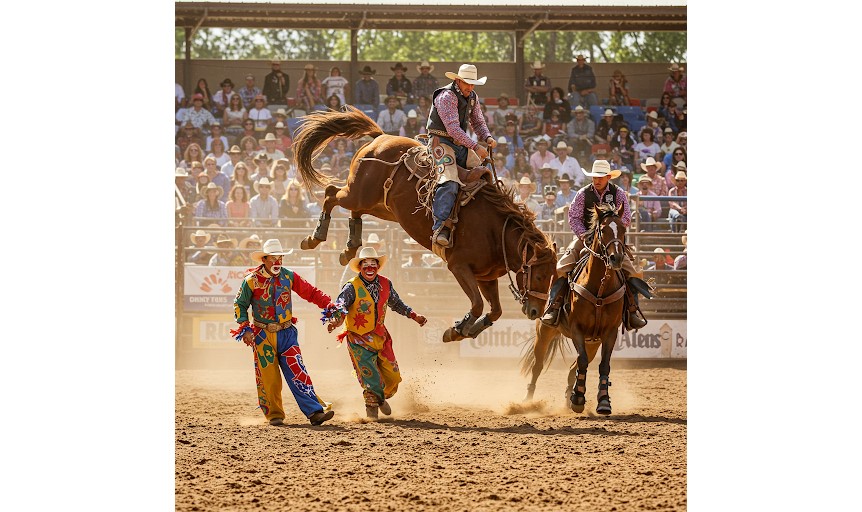
Rodeo: A Deep Dive into the Thrilling World of Western Sport
It is a sport that captures the spirit of the American West. It combines adrenaline, tradition, and culture into a unique spectacle. Around the world, it has found a dedicated audience and loyal participants. From its rugged beginnings to its modern-day glamour, the sport offers an engaging story. Rodeo isn’t just entertainment—it’s a way of life for many.
Origins and History
The roots date back to the early cattle herding traditions of Spain and Mexico. Spanish settlers introduced ranching skills to the Americas in the 16th century. As these traditions merged with the lifestyle of American cowboys, competitions naturally evolved.
By the 1800s, informal contests were held across ranches in the American West. Cowboys would challenge each other to showcase their riding and roping skills. These informal contests became more organized by the late 19th century.
The first formal Rodeo took place in Deer Trail, Colorado, in 1869. It began as a friendly competition between cowboys from different ranches. Over time, local events grew into larger gatherings that drew spectators. By the early 20th century, it had become a recognized sport.
Organizations like the Rodeo Association of America (founded in 1929) helped standardize rules. Later, the Professional Rodeo Cowboys Association (PRCA) became the dominant governing body. It began appearing at major fairs and became a staple of Western festivals.
Global Popularity
Though it has American roots, it enjoys global appeal. Canada has a thriving Rodeo scene, especially in Alberta. The Calgary Stampede is one of the largest events in the world. Mexico, with its charreada tradition, contributes significantly to the Rodeo world.
In South America, countries like Brazil and Argentina host large events. Brazilian Rodeos often include unique styles of bull riding and regional flair. Australia also embraces Rodeo with vigor. Events like the Mount Isa Rodeo draw thousands of fans.
Even in Europe, it has found a niche audience. France and Germany host occasional competitions. These European events blend local culture with Western themes. Online streaming and social media have expanded Rodeo’s reach.
The sport continues to grow internationally. Training centers and schools are opening across continents. It has become more accessible to fans everywhere.
Amateur and Youth Rodeo
Amateur Rodeo serves as the gateway to professional competition. It begins at the grassroots level, often in small communities. Local fairs, county shows, and regional events host beginner contests.
Youth Rodeo is especially important. Children as young as five participate in mutton busting and barrel racing. Rodeo associations offer age-appropriate divisions. These include peewee, junior, and high school levels.
The National High School Rodeo Association (NHSRA) plays a major role in the United States. It provides scholarships and competitive opportunities. Many future professionals start in high school Rodeo.
College Rodeo also plays a significant part. The National Intercollegiate Rodeo Association (NIRA) organizes college-level competitions. These contests attract scouts from professional circuits.
In Canada, Australia, and Brazil, similar programs exist. Youth are trained in safety, animal care, and performance skills. These programs ensure the sport’s sustainability and talent development.
Family involvement is central to amateur Rodeo. Parents often serve as coaches and organizers. Communities come together to support young athletes. These events build character, responsibility, and teamwork.
Professional Rodeo Leagues Around the World
Professional Rodeo features some of the most skilled athletes in the world. The PRCA in the United States remains the largest and most prestigious organization. It governs events like the National Finals Rodeo (NFR).
The Professional Bull Riders (PBR) circuit focuses specifically on bull riding. It has expanded to include international events. Countries such as Brazil and Australia host PBR competitions.
In Canada, the Canadian Professional Rodeo Association (CPRA) governs major events. The Canadian Finals Rodeo is a highlight of the season. Australia’s APRA (Australian Professional Rodeo Association) oversees national contests.
Mexico’s Rodeo Federación Mexicana de Rodeo adds a cultural twist. Events often include traditional Mexican horsemanship and costumes. Brazil’s Circuito Rancho Primavera showcases top bull riders.
Prize money and sponsorships fuel these leagues. Media coverage has helped elevate the sport’s profile. Many professional Rodeo athletes have become celebrities. They attract endorsements and fan followings.
Technology has enhanced league operations. Fans can follow scores, rankings, and livestreams. This has increased engagement and accessibility.
Political and Social Significance
It holds deep social and political meaning. It represents the enduring legacy of ranching culture. Communities in the American West and beyond see it as a symbol of independence and hard work.
Rodeo events often serve charitable purposes. They raise funds for local causes and scholarships. Towns come together during Rodeo season, boosting local economies and community spirit.
Politically, it intersects with debates on animal welfare. Activists have raised concerns about animal treatment. In response, associations enforce strict animal care standards. Veterinarians are present at most events to ensure safety.
Rodeo also plays a role in cultural preservation. Indigenous communities in North America and South America participate actively. They use the sport to celebrate and preserve heritage.
In some areas, it has been a platform for gender equality. Women compete in barrel racing, roping, and more. Organizations like the Women’s Professional Rodeo Association (WPRA) promote female participation.
The sport fosters patriotism, especially in the U.S. Events often begin with the national anthem and flag ceremonies. These traditions resonate deeply with attendees.
Rules of Rodeo
It includes several main events, each with its own set of rules. These are enforced by judges and timers to maintain fairness.
Bareback Riding: Riders mount a bucking horse using a rigging. They must stay on for eight seconds. Judges score based on control and spurring technique.
Saddle Bronc Riding: Similar to bareback, but with a specialized saddle. Riders hold a single rein attached to the horse. Style and form matter heavily.
Bull Riding: One of the most dangerous events. Riders must stay on a bucking bull for eight seconds. Points are awarded for control, posture, and bull difficulty.
Tie-Down Roping: A timed event where a rider ropes a calf, dismounts, and ties three legs. Precision and speed are crucial.
Steer Wrestling: Also known as bulldogging. A rider jumps from their horse to wrestle a steer to the ground. Fastest time wins.
Team Roping: Two riders work together. One ropes the steer’s head; the other ropes the hind legs. Teamwork and timing are key.
Barrel Racing: Primarily a women’s event. Riders race in a cloverleaf pattern around three barrels. Fastest time wins, with penalties for knocking barrels.
Breakaway Roping: Similar to tie-down roping, but the rope breaks away when tension is applied. It’s quick and emphasizes precision.
Each event has its own gear requirements and safety protocols. Contestants wear helmets or cowboy hats, boots, and protective vests. Livestock is carefully monitored before and after events.
Points are accumulated across events during a season. Top scorers advance to finals. Prize money is distributed based on performance and ranking.
Conclusion
Rodeo is more than a sport. It’s a tradition that connects past and present. Its global reach continues to grow. From youth competitions to professional leagues, the sport thrives on community and passion.
Events entertain, inspire, and educate. They highlight courage, skill, and resilience. Through its rules, history, and cultural significance, Rodeo stands as a dynamic and meaningful sport.
Whether you’re a lifelong fan or a curious newcomer, the world of Rodeo offers something unforgettable.