
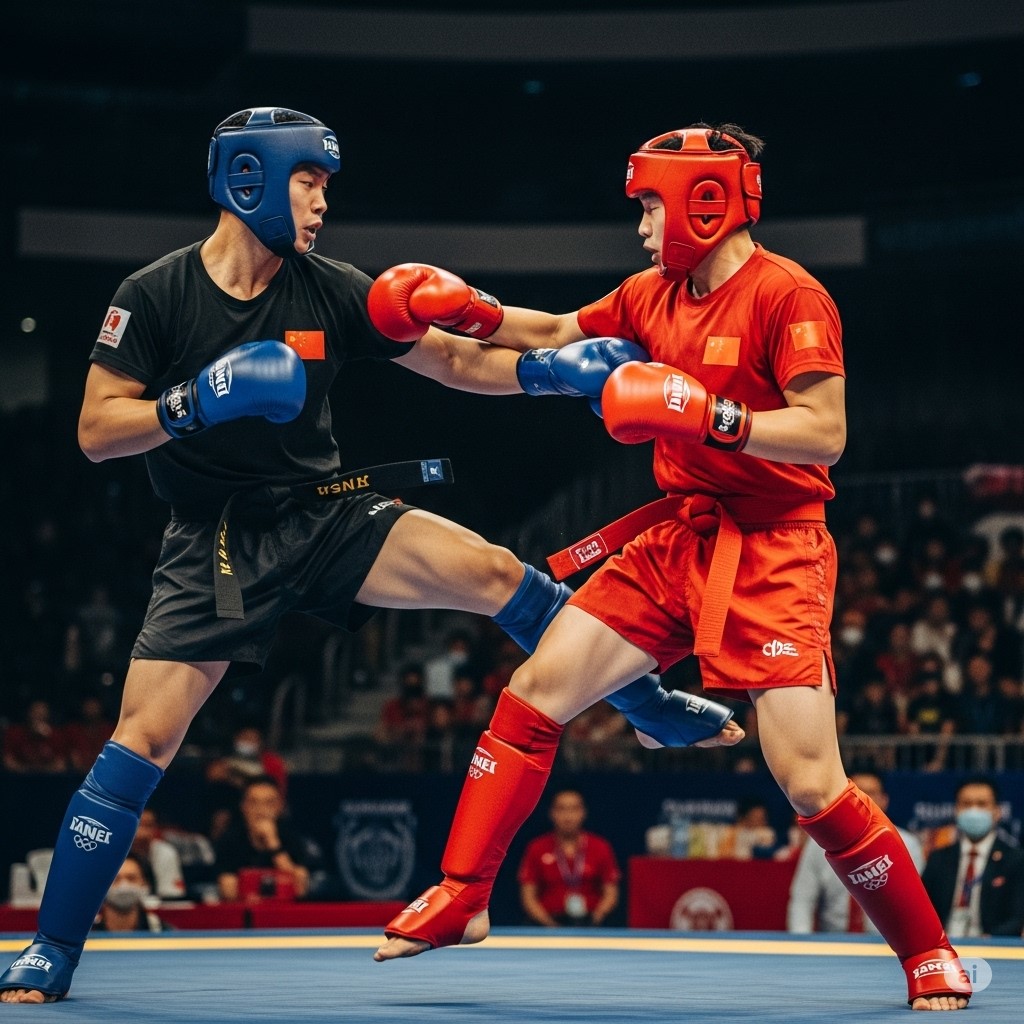
Sanshou: The Explosive Combat Sport with Deep Roots and Global Reach
Sanshou, also known as Sanda, is a full-contact combat sport developed from traditional Chinese martial arts. The sport blends striking and wrestling techniques in a fast-paced, thrilling format. Sanshou has grown far beyond its origins and now thrives on international stages. With roots grounded in military training, it has evolved into a respected discipline practiced by athletes worldwide. This blog post explores the history, popularity, amateur structure, professional leagues, rules, and social importance of Sanshou.
The Origins and History of Sanshou
Sanshou originated from ancient Chinese hand-to-hand combat techniques. These techniques were first documented in military training manuals during the Han Dynasty. Known as “Shou Bo” and later “Jiao Li,” these systems laid the foundation for modern Sanshou.
During the 20th century, China’s military modernized. In the 1920s and 1930s, the Kuomintang established martial arts training centers. These centers taught traditional skills alongside military drills. The goal was to strengthen soldiers both physically and mentally.
After the establishment of the People’s Republic of China in 1949, martial arts underwent further reforms. The Chinese government began codifying techniques into sport formats. During the 1970s, military academies began developing a more structured form of combat sport. This system was designed to be both effective for training and suitable for competition. The result was Sanshou.
By the 1980s, civilian martial arts schools adopted Sanshou. Competitions spread quickly throughout China. The sport gained traction as a modern expression of traditional martial values. Sanshou became a testing ground for techniques drawn from various styles, including Kung Fu, Shuai Jiao, and Qinna.
Global Popularity and Reach
Today, Sanshou is practiced in over 120 countries. China remains its stronghold, but the sport has exploded in popularity across Asia, Europe, and the Americas.
In the United States, Sanshou has been featured in national and international competitions since the 1990s. Organizations like the USAWKF (United States of America Wushu-Kungfu Federation) promote the sport nationwide. Fighters train at gyms that specialize in Wushu or mixed martial arts.
Europe has embraced Sanshou with open arms. Countries like Russia, France, and Italy boast thriving communities. These nations host annual championships, drawing elite fighters from all over the continent.
In Asia, Vietnam, Iran, and the Philippines have developed strong programs. Iran, in particular, has produced world-class Sanshou athletes. These fighters consistently perform well at global events.
African nations are also catching up. Egypt and Nigeria have seen a surge in youth participation. The sport provides opportunities for international recognition and national pride.
Amateur Sanshou: Youth and Schools
Amateur Sanshou is governed by the International Wushu Federation (IWUF). This body sets standards for competition and athlete development. The goal is to provide a safe and educational path from beginner to elite competitor.
Youth programs play a vital role in Sanshou’s growth. Children often begin training at martial arts academies. These schools offer structured classes in striking, grappling, and physical conditioning.
In countries like China and Iran, Sanshou is integrated into school sports programs. Students can choose it as an elective or extracurricular activity. Competitions are held at the regional and national levels.
Many Western nations are also beginning to introduce Sanshou to younger athletes. Clubs and gyms offer kids’ classes focusing on discipline, fitness, and confidence. Safety gear and modified rules ensure a positive learning experience.
Amateur events typically follow a tiered format. Beginners start at local tournaments. As they gain experience, they can compete in regional, national, and international championships.
Youth divisions are separated by age and weight. Fighters are trained in both offensive and defensive strategies. Coaches emphasize respect, sportsmanship, and perseverance.
Professional Leagues Around the World
Several professional organizations promote Sanshou as a spectator sport. These leagues provide athletes with career paths and fans with thrilling events.
One of the most prominent leagues is the Kung Fu King tournament, held in China. This televised event features high-level fighters from across the globe. Athletes compete for large cash prizes and national pride.
Another major event is the WLF (Wu Lin Feng). This Chinese league blends traditional martial arts with modern promotion. Fighters train full-time and appear in front of millions of viewers.
In Russia, the Russian Wushu Federation hosts professional events. These matches often feature cross-style bouts with kickboxers and MMA fighters. The rules favor dynamic exchanges, which appeal to modern combat sports audiences.
Iran has launched its own national league. The government supports fighters with stipends and training facilities. These athletes represent Iran at international competitions and enjoy hero status at home.
The United States and Canada also have growing professional scenes. Though smaller in scale, events like the U.S. Open and North American Wushu Championships attract top talent. These platforms allow fighters to transition into other combat sports, including MMA and kickboxing.
Political and Social Significance
Sanshou holds a unique position at the intersection of sport and society. In China, it represents a blend of national pride and modernization. The government promotes Sanshou as a symbol of Chinese heritage. It is often featured in military parades and national festivals.
The sport also serves as a diplomatic tool. International tournaments foster goodwill and cultural exchange. Teams from rival nations share the stage, bridging political divides through mutual respect.
In countries facing youth unemployment or social unrest, Sanshou offers hope. It provides discipline, structure, and purpose. Many athletes from disadvantaged backgrounds have used the sport to turn their lives around.
Sanshou also promotes gender equality. Female fighters compete at the highest levels. They receive media attention and inspire young girls to train in martial arts. Some nations have launched all-women’s leagues to support female participation.
Social media has played a major role in spreading Sanshou. Fighters share training tips, highlight reels, and motivational content. These platforms help create a global community of practitioners.
Rules and Structure of Sanshou
Sanshou matches are fought on a raised platform called a “Lei Tai.” The platform is 24 feet wide and four feet tall. Fighters wear protective gear, including gloves, headgear, chest protectors, and shin guards.
Each match consists of three two-minute rounds. Fighters must win two rounds to claim victory. If tied after three rounds, a sudden death round decides the winner.
The scoring system rewards clean strikes, throws, and takedowns. Judges award points based on technique, control, and effectiveness. Kicks to the head, body, and legs score more than punches. Takedowns without ground control still earn points.
Illegal techniques include elbow strikes, joint locks, and attacks to the back of the head. Fighters must avoid pushing their opponent off the platform intentionally. Excessive holding or passivity results in warnings or point deductions.
Sanshou combines elements of boxing, kickboxing, and wrestling. Fighters use rapid footwork, head movement, and timing. The ability to switch between striking and grappling gives the sport its unique flavor.
Coaches play a critical role during matches. They provide tactical advice and motivate fighters between rounds. Athletes are expected to show discipline and honor throughout the bout.
Referees enforce the rules and ensure safety. They can stop a match due to injury, rule violation, or technical knockout. Fighter welfare always takes precedence over entertainment.
Conclusion
Sanshou has journeyed from ancient battlefields to global arenas. It continues to grow in popularity, driven by tradition, athleticism, and cultural exchange. Its presence in youth programs, professional leagues, and international diplomacy is undeniable.
The sport is more than just physical competition. It represents resilience, respect, and unity. Whether practiced in a school gym or fought on a national stage, Sanshou inspires excellence.
With global communities embracing it, the future of Sanshou looks bright. As new generations train, compete, and evolve, the sport will continue to make an impact on and off the platform.