
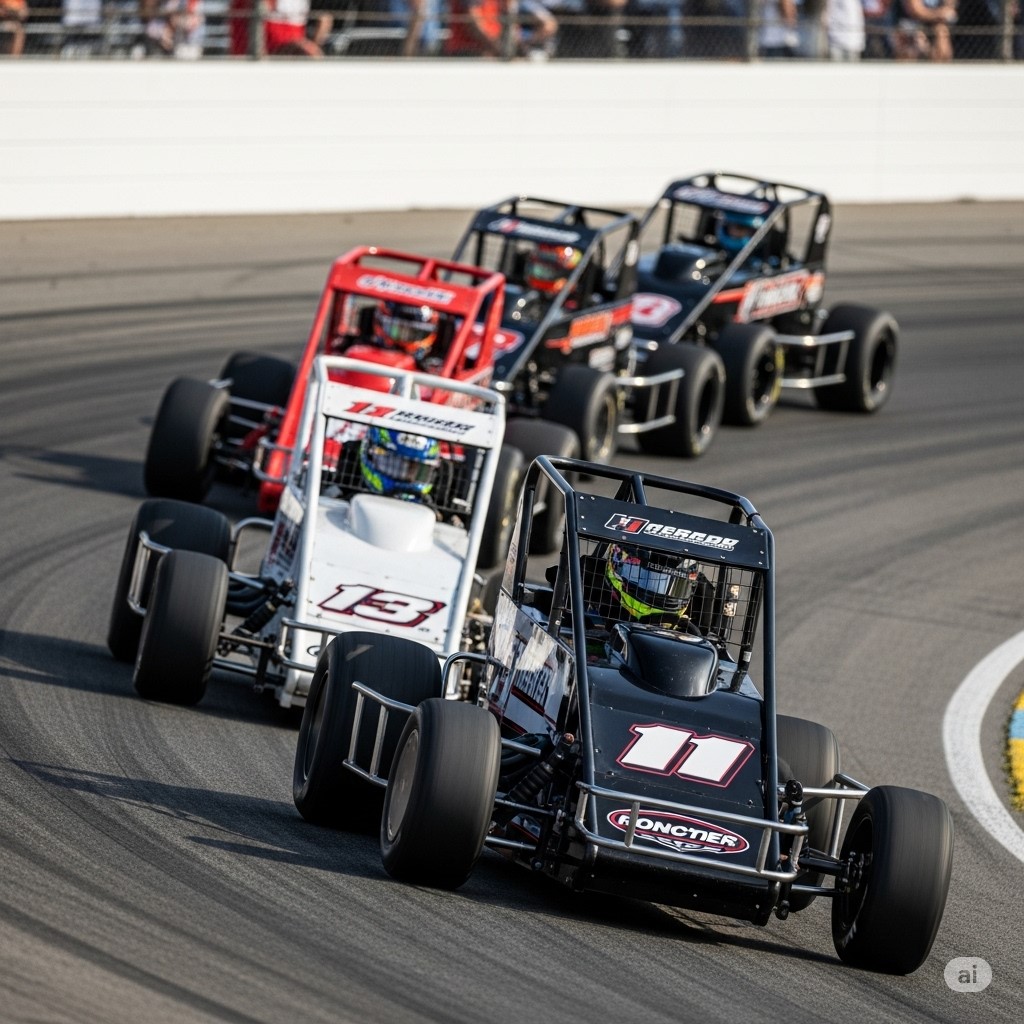
Short Track Motor Racing: A Global Phenomenon Fueled by Passion and Precision
Short Track Motor Racing is a thrilling, high-octane motorsport that has captured the hearts of fans worldwide. Built on a foundation of speed, strategy, and grassroots spirit, this sport thrives in both rural communities and bustling cities. The key phrase, Short Track Motor Racing, encapsulates more than just the sport itself; it symbolizes a culture of competition, camaraderie, and mechanical ingenuity. From its humble beginnings to its modern-day international presence, the sport has grown into a cultural and social force.
The Origins and History of Short Track Motor Racing
Short Track Motor Racing began in the early 20th century in the United States. As automobiles became more common, enthusiasts started modifying their cars for speed. Racing on dirt ovals became popular among rural communities. These tracks were typically less than one mile in length, hence the term “short track.”
During Prohibition, bootleggers upgraded their cars to outrun the police. When not transporting illegal liquor, these drivers raced each other for bragging rights. Eventually, organized races started to form. In 1948, Bill France Sr. founded NASCAR, bringing structure and national attention to the sport.
Over time, short track racing evolved. Asphalt began to replace dirt, although many tracks still use the original surface. The sport spread beyond the South and gained national appeal. Iconic tracks like Bristol Motor Speedway and Martinsville Speedway emerged as crown jewels in the racing world.
Global Popularity and Geographic Reach
Short Track Motor Racing is no longer confined to the United States. It has spread across continents, especially in Canada, Australia, and parts of Europe. In Canada, the sport enjoys a robust amateur and semi-professional scene. Tracks in provinces like Ontario and Alberta host weekly events that draw large crowds.
Australia has also embraced short track racing, particularly in rural areas. The country boasts a strong network of speedways and passionate local fans. Europe, especially the United Kingdom and the Netherlands, has adapted the format to local tastes. In the UK, banger racing and stock car racing on short tracks have gained traction.
In Asia, the sport is slowly gaining popularity. Japan and South Korea have shown increasing interest, thanks to a growing car culture and social media exposure. Latin American countries like Brazil and Argentina have also begun to adopt short track racing formats.
Amateur Racing and Youth Involvement
Grassroots participation fuels the sport’s growth. Most professional racers start at local short tracks. These venues serve as training grounds for aspiring drivers. Youth racing programs introduce children as young as five to the basics of racing.
In the United States, kart racing acts as a feeder system. Children learn handling, acceleration, and safety. From there, they graduate to Bandolero and Legend Cars before moving to late models. Many high schools and technical colleges offer motorsport programs that integrate automotive engineering and driving skills.
Europe follows a similar model, with karting being the foundation. National and regional clubs organize youth leagues. Australia features Junior Sedans, a popular class for young racers. These programs not only teach racing but also instill discipline, responsibility, and mechanical knowledge.
Parents play a crucial role by funding equipment and travel. Community support is vital, with many local businesses sponsoring young racers. The camaraderie at amateur events builds lifelong friendships and a strong racing culture.
Professional Leagues and Events Worldwide
Several professional leagues have elevated Short Track Motor Racing to mainstream status. In the United States, NASCAR’s regional series like the Whelen Modified Tour and ARCA Menards Series showcase top-tier short track talent. These events are broadcast nationally and attract thousands of spectators.
The SRX (Superstar Racing Experience) series, launched in 2021, features veteran drivers competing on short tracks across the country. It brings new attention to the sport and revitalizes interest in traditional venues.
Canada’s APC United Late Model Series is another premier league. It features competitive fields and professionally managed events. Australia’s Speedway Sedans Australia and World Series Sprintcars are major short track racing organizations. They offer thrilling races with high horsepower and tight competition.
In Europe, BriSCA F1 Stock Cars in the UK offer action-packed events on short ovals. These races combine speed, strategy, and contact driving. The sport continues to grow thanks to live streaming and increased international exposure.
Political and Social Significance
Short Track Motor Racing holds unique political and social importance. In many communities, it represents a form of identity and pride. Local governments often support tracks due to their economic and cultural contributions.
Tracks provide jobs, boost tourism, and bring communities together. In rural areas, the racetrack often doubles as a community center. It hosts fundraisers, charity events, and public celebrations.
Politically, the sport reflects a broader discussion about land use, noise regulations, and environmental impact. Advocates argue that racetracks preserve automotive heritage and stimulate local economies. Critics call for tighter regulations, especially in urban areas.
Socially, the sport promotes diversity and inclusion. While traditionally male-dominated, more women and minorities are participating. Initiatives like NASCAR’s Drive for Diversity program aim to broaden the sport’s appeal.
Moreover, racing encourages STEM education. Many youth programs partner with schools to teach math, physics, and engineering through motorsport. The blend of hands-on learning and real-world application enhances student engagement.
Rules and Regulations of Short Track Motor Racing
Short Track Motor Racing follows a clear set of rules to ensure safety and fairness. Races usually take place on oval tracks under one mile in length. Surfaces vary from dirt to asphalt.
Cars compete in classes based on specifications. Common classes include Late Models, Modifieds, Street Stocks, and Legends. Each class has rules regarding weight, engine size, and modifications.
Races begin with a qualifying session. Drivers set lap times to determine starting positions. Heats and features follow. Heat races narrow the field, and feature races determine final placements.
Caution flags signal accidents or debris. Red flags stop the race entirely. Restarts occur in double-file or single-file formations. Lapped cars may be directed to the back of the field.
Officials use transponders and scoring systems to track positions. Infractions include jumping the start, rough driving, and equipment violations. Penalties range from warnings to disqualification.
Safety is paramount. Drivers must wear fire-resistant suits, helmets, and harnesses. Cars feature roll cages, fuel cells, and window nets. Medical teams stand by during every event.
Each track may have its own local variations, but national and international bodies oversee standardization. These rules maintain competitive balance and protect participants.
Conclusion
Short Track Motor Racing is more than just a sport. It is a global movement rooted in tradition and fueled by innovation. From small-town dirt tracks to international speedways, it unites fans and drivers alike.
Its global reach continues to expand, driven by passionate communities and professional organizations. Youth programs ensure a bright future, while professional leagues keep the excitement alive.
As the sport evolves, it remains anchored in its core values—speed, strategy, and spirit. Short Track Motor Racing offers a thrilling experience that resonates across cultures and generations.
Whether you’re a newcomer or a lifelong fan, the roar of engines and the thrill of competition await at the next race.