
Shurikejutsu: The Ancient Japanese Art Turned Global Sport
Introduction to Shurikejutsu
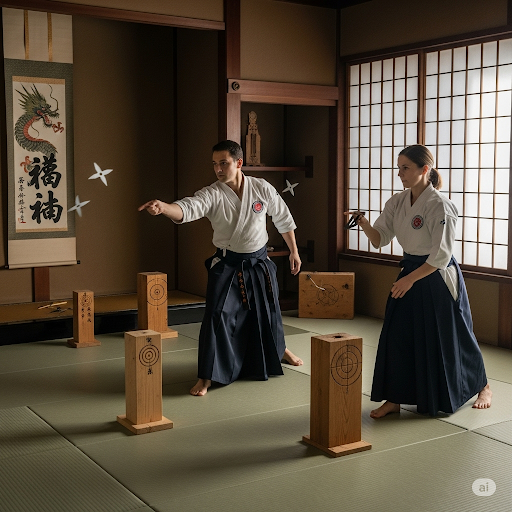
Shurikejutsu is a sport that blends ancient Japanese tradition with modern competition. The word combines “shuriken,” the throwing star, with “jutsu,” meaning technique. Once a battlefield skill of samurai and ninja, it has become a global sport with structured rules, amateur leagues, professional championships, and cultural significance.
The Origin and History
Samurai Roots
Shurikejutsu dates back to the Sengoku period in Japan. Samurai warriors used shuriken as secondary weapons to distract or wound opponents.
Ninja Influence
Ninja clans adopted shuriken for stealth missions. Their techniques emphasized precision, timing, and psychological impact over brute force.
Transformation in Edo Period
With peace in the Edo period, Shurikejutsu shifted from warfare to training art. Practitioners developed it into a discipline centered on accuracy. Wooden targets replaced battlefields.
Modern Development
By the 20th century, Shurikejutsu became a cultural practice. Martial arts schools introduced it to global audiences. Festivals and demonstrations evolved into official competitions.
The Global Popularity of Shurikejutsu
Japan: The Sport’s Heart
Japan remains the sport’s hub, with national federations in Tokyo and Osaka hosting major events.
North America: Martial Arts Boom
In the U.S. and Canada, Shurikejutsu gained traction during the martial arts craze of the 1970s. Clubs still thrive in major cities.
Europe: Cultural Recognition
Countries like Germany, France, and the U.K. feature official leagues. Many are supported as cultural heritage sports.
South America: Festival Sport
Brazil and Argentina host vibrant tournaments. Crowds gather at martial arts festivals where Shurikejutsu is a highlight.
Oceania: Growing Clubs
Australia and New Zealand promote the sport at cultural festivals, helping youth discover it.
Amateur Shurikejutsu Around the World
Youth Programs in Japan
Schools run cultural clubs that teach Shurikejutsu as heritage and discipline. Students learn focus and accuracy.
United States Leagues
Martial arts academies use foam shuriken for beginners before advancing to steel. Youth tournaments promote skill and safety.
European Community Clubs
Children join Shurikejutsu clubs as part of extracurricular enrichment. Families often train together.
South American Integration
Brazilian schools and festivals include Shurikejutsu alongside capoeira and judo. Youth competitions encourage teamwork and cultural pride.
Professional Shurikejutsu Leagues
Japan Professional League
National tournaments are televised, with champions gaining celebrity status.
North American League
Tours across major cities combine competition with education.
European Circuit
Athletes compete for ranking points across Germany, France, Spain, and the U.K.
South American Confederation
Brazil and Argentina collaborate on professional events that attract thousands of fans.
International Federation
The World Shurikejutsu Championship, held every two years, crowns the best athlete globally.
Political and Social Significance
Cultural Preservation
Shurikejutsu preserves Japan’s martial heritage and showcases it internationally.
Political Debate
Some critics raise safety concerns. Advocates compare it to archery, stressing strict rules and safeguards.
Social Connection
Families bond through training. Communities celebrate intergenerational participation.
Therapeutic Benefits
The sport provides stress relief. Veterans and individuals with anxiety use Shurikejutsu as therapy.
Global Unity
International competitions foster respect and friendship between cultures.
Rules
Equipment
- Standard size and weight shuriken only
- Dull edges for safety
- Foam shuriken for youth competitions
Targets
- Circular boards with scoring zones
- Distances: 3–5 meters for youth, 7–10 for adults
- Professionals may throw from 15 meters
Competition Format
- Athletes throw a fixed number of shuriken
- Points awarded for accuracy and technique
- Sudden-death rounds decide ties
Safety Protocols
- Only one competitor at the line
- Protective barriers and gear required
- Unsafe actions result in penalties
Conclusion
Shurikejutsu has evolved from a battlefield art into an international sport. With centuries of history, it now thrives as both amateur practice and professional competition. Youth programs, professional leagues, and global festivals ensure its future. Socially and politically, it bridges cultures, preserves tradition, and promotes respect.
As more fans discover it, it continues to grow. From schools to world championships, this sport proves that precision, focus, and heritage can unite people worldwide.