
The Dynamic Martial Art of Silat: History, Global Reach, and Modern Practice
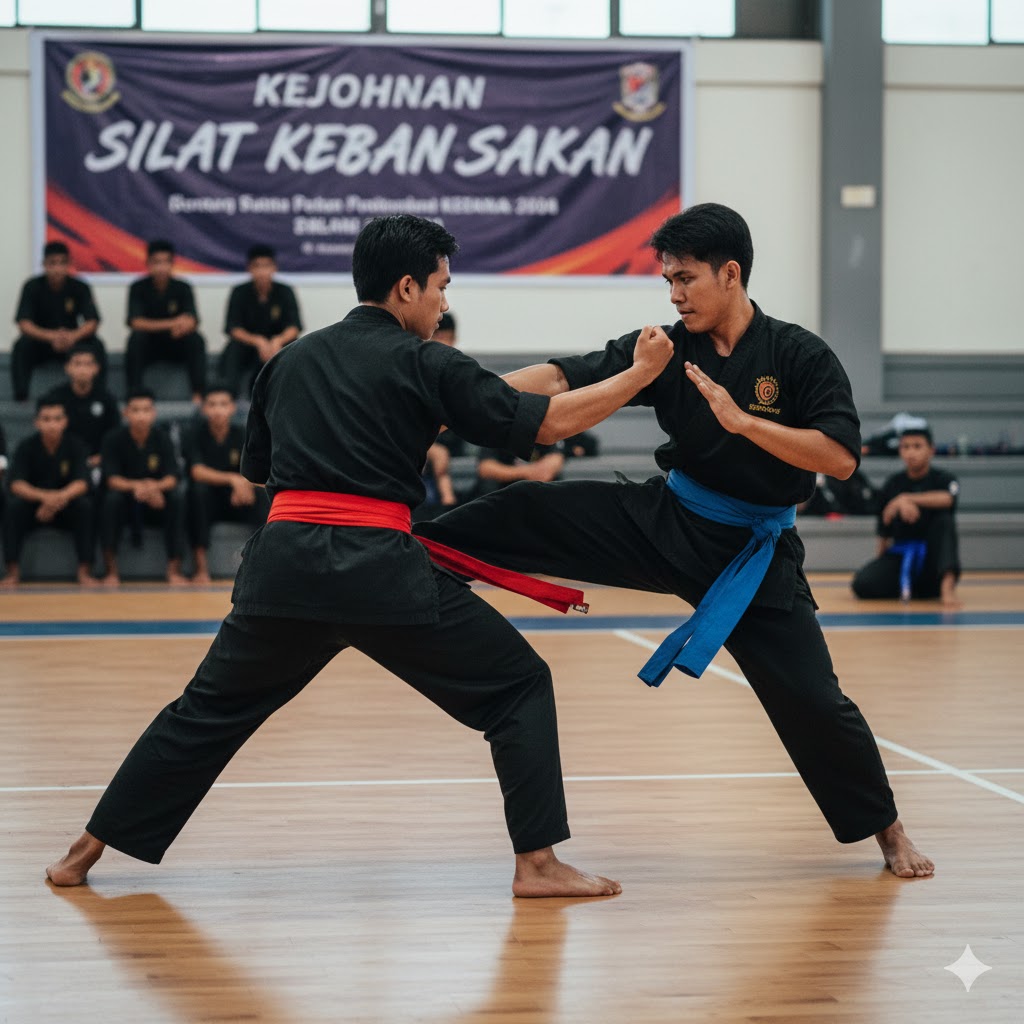
Silat is one of Southeast Asia’s most dynamic and respected martial arts. It blends physical discipline, cultural tradition, and philosophical depth. Practiced across Indonesia, Malaysia, Brunei, Singapore, and the Philippines, Silat has evolved from an ancient self-defense system into a competitive sport with global recognition. Its techniques are powerful yet graceful, combining strikes, throws, and joint manipulation. Today, Silat continues to inspire athletes, preserve heritage, and unite communities across continents.
The Origin and History of Silat
The roots of Silat stretch deep into the history of the Malay Archipelago. Its origins date back more than a thousand years. Tribal warriors developed Silat as a means of survival during conflicts between villages and kingdoms. Early practitioners drew inspiration from nature, mimicking animal movements such as tigers, snakes, and eagles. Over time, these movements became formalized into fighting styles passed down through generations.
The development of Silat was closely tied to the rise of early Southeast Asian kingdoms like Srivijaya and Majapahit. Warriors and bodyguards trained in Silat to protect rulers and territories. As these empires expanded through trade and conquest, Silat spread throughout the region. Each area adapted it to its environment, resulting in distinct regional variations. For example, Indonesian Silat styles emphasize agility and low stances, while Malaysian Silat focuses on upright movement and weapon use.
The influence of religion also shaped the art. When Islam reached the region in the 13th century, it infused Silat with spiritual and moral dimensions. Practitioners began to see it not only as a method of combat but also as a path toward self-discipline and harmony. Many Silat schools incorporated meditation, prayer, and moral teachings alongside physical training.
During the colonial era, Silat became a symbol of resistance. Fighters used it to defend their communities against foreign rule. In Indonesia and Malaysia, nationalist movements often included Silat practitioners who viewed their art as part of cultural identity and pride. After independence, governments began to promote Silat as a national sport to preserve heritage and strengthen unity.
The Global Popularity of Silat
Silat has grown beyond its regional origins to become an international phenomenon. Its global reach began in the mid-20th century when Southeast Asian immigrants carried their traditions abroad. Communities in Europe, North America, and the Middle East began forming Silat associations to maintain cultural ties and share their martial heritage.
Today, Silat schools can be found in over 50 countries. Indonesia remains its central hub, hosting thousands of local clubs and academies. Malaysia has also played a leading role, particularly through the establishment of the International Pencak Silat Federation (PERSILAT) in 1980. This organization oversees international competitions and sets global standards for the sport.
Countries such as the Netherlands, France, and the United Kingdom embraced Silat early, largely due to colonial and migration links. In the United States, martial artists were drawn to its unique combination of rhythm, flow, and practicality. Modern practitioners appreciate Silat not only for its combat techniques but also for its cultural philosophy and emphasis on respect.
Silat’s inclusion in international sporting events has further boosted its exposure. It is featured in the Southeast Asian Games and the Asian Games. These competitions showcase the athleticism and artistry of Silat performers to global audiences. Social media and streaming platforms have also expanded its following. Demonstrations and tutorials online attract thousands of new enthusiasts each year.
Amateur Silat Around the World
Amateur Silat plays a vital role in keeping the tradition alive. It is often introduced to children and youth as part of cultural education. In Indonesia and Malaysia, schools incorporate Silat into physical education programs. Students learn not just techniques but also discipline, cooperation, and respect for heritage.
Community clubs are the backbone of amateur Silat. They organize local tournaments, demonstrations, and cultural events. These gatherings allow young practitioners to showcase their skills and build confidence. In rural areas, Silat schools serve as social centers that bring people together. They reinforce community bonds while teaching valuable life lessons.
In many Western countries, amateur Silat programs have adapted to modern lifestyles. Classes focus on fitness, self-defense, and mental focus. Instructors emphasize balance, coordination, and mindfulness. The art’s emphasis on harmony and control appeals to people seeking both physical and emotional development.
Youth organizations and universities have also played a major role in expanding Silat’s reach. Student clubs in Europe and North America participate in regional tournaments. They exchange knowledge with visiting masters from Southeast Asia. These cultural exchanges ensure the authenticity of training and help preserve traditional values in modern practice.
Amateur leagues provide a stepping stone for athletes aiming for professional competition. Regional and national championships allow competitors to test their skills in regulated environments. Judges score matches based on technique, accuracy, and sportsmanship. This system encourages fair play and continuous improvement.
Professional Silat Leagues and Competitions
Silat’s transformation into a professional sport began in the late 20th century. The creation of standardized rules allowed athletes from different styles to compete fairly. The International Pencak Silat Federation (PERSILAT) became the primary governing body for professional competitions. It unites four founding countries—Indonesia, Malaysia, Singapore, and Brunei—and now includes dozens of member nations.
The most prestigious events include the World Pencak Silat Championship and the Asian Pencak Silat Championship. These tournaments attract elite fighters from across the globe. Competitors train rigorously, mastering speed, timing, and strategy. Matches are fast-paced and intense, blending artful movement with athletic precision.
Professional Silat consists of several competitive categories. The “Tanding” category features one-on-one sparring, where points are awarded for clean strikes, throws, and takedowns. The “Seni” category focuses on performance and artistry. Competitors demonstrate choreographed sequences, either solo or in teams, showcasing fluidity, rhythm, and expression.
Professional Silat leagues have also emerged domestically in Indonesia and Malaysia. These leagues provide athletes with sponsorships, media exposure, and career opportunities. Events are broadcast nationally, attracting fans and inspiring younger generations. The professionalization of Silat has elevated its status, placing it alongside other martial arts such as judo and taekwondo.
Efforts are underway to include Silat in more global competitions. Advocates hope for Olympic recognition in the future. The sport’s blend of athleticism, culture, and visual appeal makes it an excellent candidate for international audiences.
The Political and Social Significance of Silat
Silat holds deep political and social meaning in Southeast Asia. Historically, it was a tool of resistance and national pride. During colonial rule, practicing Silat was an act of cultural preservation. It symbolized defiance against oppression and unity among communities.
After independence, many governments recognized Silat as a national heritage asset. Indonesia declared Pencak Silat an official cultural treasure. Malaysia integrated Silat into its education system and military training. Brunei and Singapore also promote it as part of their cultural identity. These efforts aim to preserve traditions while strengthening patriotism and social cohesion.
Socially, Silat fosters discipline, respect, and humility. Practitioners are taught to value harmony over aggression. The moral lessons embedded in its teachings encourage empathy and responsibility. In many villages, Silat teachers, or gurus, hold high social status. They guide not only physical training but also moral behavior.
Silat also serves as a bridge between generations. Elders pass down stories, rituals, and philosophies to younger students. These interactions strengthen family and community bonds. Festivals and public performances bring people together, reinforcing cultural unity.
On the international stage, Silat functions as a form of soft diplomacy. Southeast Asian nations use it to promote cultural understanding and regional cooperation. Demonstrations and workshops abroad highlight shared heritage and mutual respect. The art has become a symbol of peace and cooperation rather than conflict.
Silat’s gender inclusivity adds another layer of social significance. Women have long participated in training and competition. Female champions serve as role models, challenging stereotypes and promoting equality. This inclusiveness has helped the sport grow more diverse and progressive.
The Rules and Structure of Silat Competition
Understanding the rules of Silat is key to appreciating its complexity. The sport is carefully structured to balance safety, fairness, and authenticity. Competitions are divided into weight classes and categories, ensuring even matchups.
In the “Tanding” or sparring category, two competitors face each other inside a matted ring. The match consists of three rounds, usually lasting two minutes each. Judges award points for clean, controlled strikes to legal target areas such as the torso and thighs. Throws and sweeps also earn points when executed effectively.
Competitors must maintain proper form and sportsmanship throughout the match. Excessive force, illegal strikes, or unsportsmanlike behavior lead to penalties. Safety gear, including headgear, gloves, and chest protectors, is mandatory. Referees oversee the match closely to prevent injury.
The “Seni” or artistic category highlights the beauty of Silat techniques. Competitors perform choreographed routines that display balance, rhythm, and creativity. Judges evaluate the flow of movements, precision, and expression. There are solo, duo, and team divisions. Weapons such as the kris (dagger) or tongkat (stick) may also be incorporated.
Another category, “Ganda,” involves two performers simulating combat. It combines elements of choreography and realism, demonstrating how Silat techniques can be applied in self-defense. The synchronization and timing between partners are crucial to achieving a high score.
Scoring systems vary slightly between organizations, but fairness and control remain central principles. Matches emphasize skill, not brute strength. Competitors are expected to demonstrate composure, respect, and mastery over emotion.
Outside official competitions, traditional Silat often includes rituals and ceremonies. Dancers and musicians perform to live percussion, creating an atmosphere that connects modern sport with ancient roots. This blend of athletic competition and cultural performance makes Silat unique among martial arts.
Training, Philosophy, and Modern Adaptations
Silat training emphasizes balance between body, mind, and spirit. Classes begin with conditioning exercises that develop flexibility, endurance, and reflexes. Students then learn basic stances, strikes, and defensive maneuvers. As they progress, they practice combinations, partner drills, and weapon techniques.
Discipline is essential. Students bow to their instructors and peers before each session. Respect for the art and its history is reinforced at every stage. Many schools incorporate meditation and breathing exercises to build mental focus. The goal is not merely to defeat an opponent but to master oneself.
Modern Silat schools often combine traditional techniques with contemporary fitness training. Practitioners use pads, bags, and modern equipment to improve strength and precision. Some programs integrate Silat with other martial arts, creating hybrid systems that appeal to a wider audience.
The philosophy of Silat extends beyond combat. It teaches adaptability, patience, and humility. Practitioners learn that the strongest fighter is one who controls both body and emotion. This mindset applies to daily life, helping individuals handle stress and conflict with calmness.
Silat also adapts to modern needs such as self-defense for urban environments. Women’s self-defense courses based on Silat principles have become popular worldwide. These programs emphasize awareness, confidence, and practical protection strategies.
Cultural Performances and Media Influence
Silat’s cultural dimension continues to captivate audiences. It is featured in traditional ceremonies, weddings, and festivals throughout Southeast Asia. Performers wear colorful costumes and move to the rhythm of drums and gongs. Each motion tells a story of heroism, loyalty, and balance.
Film and television have introduced Silat to new audiences. Movies from Indonesia and Malaysia, such as The Raid series, showcase its explosive techniques and fluid motion. These portrayals have sparked international curiosity and inspired martial artists globally.
Documentaries and online tutorials now allow anyone to study Silat’s fundamentals. This accessibility ensures that the art remains alive and evolving. Practitioners from different backgrounds share insights, blending tradition with innovation.
Challenges and the Future of Silat
Despite its growth, Silat faces challenges. Standardizing techniques across diverse styles remains difficult. Some traditional masters worry that the sport’s modernization could dilute its cultural essence. Balancing authenticity with global appeal requires sensitivity and cooperation.
Efforts to preserve heritage are ongoing. UNESCO recognized Pencak Silat as an Intangible Cultural Heritage of Humanity in 2019. This designation highlights its cultural value and the need for preservation. It also motivates younger generations to study and continue the art.
Technological advancement offers new opportunities. Virtual training platforms and online competitions make Silat accessible to wider audiences. Youth engagement programs and cross-cultural partnerships continue to expand its reach.
Looking forward, Silat’s future appears promising. Its balance of athleticism, artistry, and philosophy appeals to modern sensibilities. Whether practiced in a small village or a global arena, it continues to embody the spirit of resilience, respect, and unity.
Conclusion
Silat stands as more than just a martial art. It represents centuries of history, culture, and discipline. From ancient battlefields to international arenas, it has evolved without losing its soul. Today, Silat unites people across borders through shared values of respect, strength, and harmony. Its influence reaches beyond combat, shaping character and community.
As global interest continues to grow, Silat remains a living symbol of Southeast Asia’s rich heritage. Its combination of artistry, competition, and philosophy ensures that it will thrive for generations to come. Through dedication, respect, and passion, practitioners around the world keep the legacy of Silat alive—strong, graceful, and enduring.