
Skibobbing: The Complete Guide to a Thrilling Winter Sport
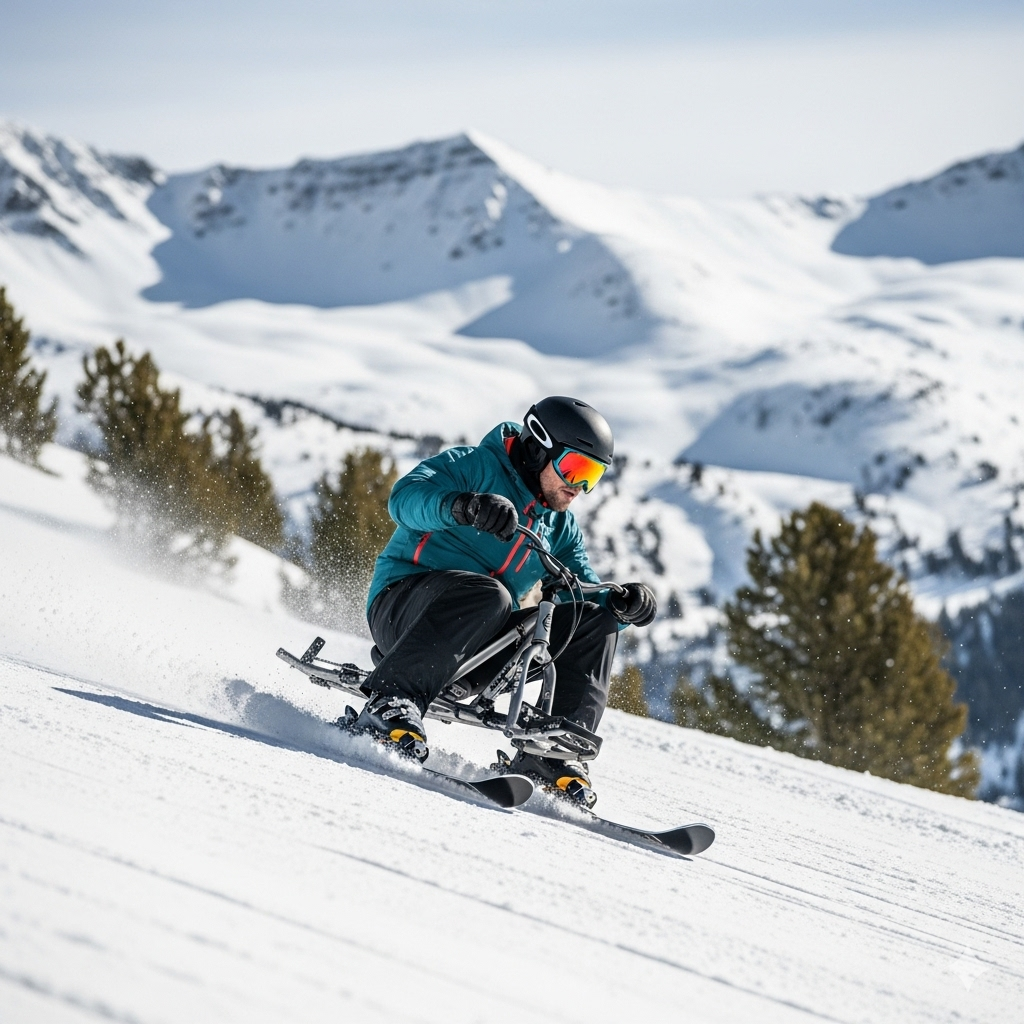
Skibobbing is one of the most exciting yet lesser-known winter sports. The sport combines skiing, cycling, and pure adrenaline into one dynamic activity. Its unique blend of balance, speed, and technique makes it appealing to people across all ages. In this blog post, we will explore Skibobbing in depth. You will learn about its origin, history, global popularity, amateur growth, professional leagues, cultural significance, and detailed rules. By the end, you will have a complete picture of why this sport continues to attract passionate athletes and fans around the world.
The Origin and History of Skibobbing
The history of Skibobbing stretches back more than a century. Its roots began in the snowy mountains of Europe during the late 19th century. Early versions of the sport were invented as practical ways to travel in heavy snow. Residents in alpine regions often needed alternative transportation methods when roads were buried under snow. Traditional skis worked well, but they required skill and strength that not everyone possessed.
Inventors began experimenting with attaching bicycle-style frames to skis. These early prototypes featured wooden frames fixed onto short skis, allowing riders to steer while seated. The design reduced the need for expert skiing ability and made downhill travel more accessible. In many ways, this invention represented the democratization of snow sports.
By the early 20th century, the first official models appeared in Austria and Switzerland. Known as “ski-bikes,” they quickly gained attention. Riders enjoyed the seated stability combined with the thrill of downhill speed. Throughout the 1920s and 1930s, manufacturers improved the designs by adding lighter frames and stronger bindings. The evolution made the sport more competitive and attractive to adrenaline seekers.
The post-war years fueled even more growth. Returning soldiers in Europe looked for exciting recreational outlets, and Skibobbing offered exactly that. By the 1950s, clubs began forming in Austria, Germany, and Switzerland. Organized competitions soon followed, leading to the creation of international governing bodies. In 1961, the Fédération Internationale de Skibob (FISB) was founded. This organization standardized equipment, rules, and competition formats, paving the way for international championships.
Global Popularity of Skibobbing
Although it began in the alpine regions of Europe, Skibobbing eventually spread across the globe. Central Europe remains the heart of the sport, with Austria, Switzerland, and Germany hosting many events each year. Resorts in the Austrian Alps regularly feature dedicated tracks for the sport. The annual European Skibob Championships attract athletes and fans from around the continent.
Beyond Europe, the sport found a following in North America. Ski resorts in Colorado, Utah, and British Columbia began offering Skibob rentals and lessons during the 1970s. Enthusiasts in the United States formed clubs, while Canada developed youth programs to introduce the sport to children. Though less common than skiing or snowboarding, Skibobbing carved out a loyal niche.
In Asia, Japan became a surprising hub for the sport. The mountainous terrain and winter sports culture of Japan made it an ideal location. Resorts in Hokkaido and Nagano introduced Skibobbing programs in the 1980s, often alongside skiing and snowboarding schools. Today, Japanese athletes compete regularly in European competitions.
Interest has also emerged in Eastern Europe, particularly in Poland, Slovakia, and the Czech Republic. The affordability of equipment compared to skiing helped drive participation. Schools and universities in these countries often include Skibobbing in their winter sports curriculum.
Global exposure increased thanks to television coverage of international championships. Online platforms and social media have further fueled growth by showcasing daring runs and spectacular races. This digital presence helped Skibobbing reach new fans in countries with little snow, where enthusiasts watch the sport online.
Amateur Skibobbing Around the World
Amateur participation forms the foundation of the sport. Enthusiasts around the world enjoy Skibobbing for recreation and competition at local levels. Resorts offer rentals, making it accessible for newcomers who want to try something new. Lessons are often included in winter sports packages, ensuring a steady flow of new participants.
Youth programs play a major role in growth. In Austria and Germany, schools often incorporate Skibobbing into their winter sports curriculum. Students learn the basics of handling the Skibob, maintaining balance, and safely descending slopes. These programs introduce children to competition at an early age. Many future champions begin their journey in school-based programs.
Amateur leagues operate in several countries. Local clubs organize races, time trials, and freestyle events for members. These gatherings focus on fun as much as competition. Riders often come together for weekend meets, turning the events into social gatherings as well.
Community-level events also attract spectators. Families attend to watch children compete, while adults often join in amateur races themselves. The camaraderie and accessibility make the sport appealing to casual athletes. Many amateur participants remain lifelong enthusiasts, even if they never compete professionally.
Universities in Europe often host intercollegiate competitions. Students represent their schools in races that combine speed and technical skill. These competitions serve as stepping stones for athletes who aspire to join professional leagues later.
Professional Leagues and Organizations
The professional side of Skibobbing is organized and international. The Fédération Internationale de Skibob (FISB) governs the sport globally. This body oversees professional leagues, maintains official rules, and coordinates international championships.
The premier event in professional Skibobbing is the World Championships, held annually in Europe. Top athletes from Austria, Switzerland, Germany, Japan, and other countries compete in various disciplines. These include downhill, slalom, giant slalom, and combined events. Each discipline tests different aspects of skill, balance, and speed.
Austria hosts one of the strongest professional circuits. National competitions there are highly competitive, with many athletes also competing internationally. Sponsorships and media coverage provide financial support, allowing athletes to train full-time. Switzerland and Germany maintain similar circuits, often exchanging athletes with Austria.
In Japan, professional competitions take place under the Japan Skibob Association. Their athletes frequently travel to Europe for international events. Japan has produced several world-class competitors who have achieved podium finishes in World Championships.
Although North America lacks a fully developed professional league, it has produced notable athletes who compete abroad. The U.S. and Canadian athletes often train in Europe, where the competitive infrastructure is stronger.
Professional leagues not only focus on competition but also on promoting safety and equipment innovation. Manufacturers partner with athletes to test and refine designs. This collaboration has led to advancements such as lighter frames, aerodynamic helmets, and improved ski attachments.
Social and Political Significance
Sports often reflect larger social and political themes, and Skibobbing is no exception. In Europe, the sport symbolizes innovation and tradition. It was born in the Alps, a region proud of its winter sports culture. Supporting Skibobbing is therefore tied to preserving alpine heritage. Local governments in Austria and Switzerland actively support clubs and events, recognizing their cultural importance.
Politically, the sport has sometimes intersected with debates on tourism and land use. Building and maintaining tracks requires investment, and local councils often weigh costs against potential benefits. Supporters argue that Skibobbing boosts winter tourism and strengthens community identity. Critics occasionally raise environmental concerns about expanding resort infrastructure.
Socially, the sport plays a unique role in community life. Amateur clubs create strong local bonds, with families and friends gathering around competitions. Events often serve as festivals, blending sport with culture and tradition. This community focus makes the sport more than just athletic competition.
Internationally, Skibobbing has also acted as a bridge. Competitions bring together athletes from different nations, fostering cross-cultural exchanges. The friendships formed during these events demonstrate the unifying power of sport.
Rules of Skibobbing
The rules of Skibobbing are carefully designed to ensure fairness and safety. Competitions feature several disciplines, each with specific guidelines.
Equipment Regulations
Riders must use standardized Skibobs approved by the FISB. The frame typically includes a bicycle-style seat and handlebars attached to skis. Riders also wear helmets, boots, and protective clothing. Safety gear is mandatory to reduce the risk of injury.
Race Disciplines
Events include downhill, slalom, giant slalom, and combined races. Downhill focuses on speed, with riders racing down long courses. Slalom involves navigating tight gates with quick turns. Giant slalom features wider gates, demanding both speed and precision. The combined event includes runs from multiple disciplines, testing overall ability.
Start and Finish Rules
Competitors must begin their runs from designated starting gates. Timing begins when they cross the start line. The run ends when they cross the finish line, with electronic sensors recording times. False starts result in penalties or disqualification.
Course Rules
Riders must pass through all gates on the course. Missing a gate leads to disqualification. Courses are carefully inspected before events, and athletes may walk the course to familiarize themselves with its layout.
Conduct Rules
Sportsmanship is highly emphasized. Competitors must respect each other and event officials. Unsportsmanlike conduct, such as deliberate obstruction, results in penalties.
Amateur Rules
Amateur competitions follow similar guidelines but with simplified courses. The focus remains on enjoyment and learning rather than elite competition. Youth events often feature shorter courses and extra safety supervision.
Conclusion
Skibobbing may not yet rival skiing or snowboarding in global popularity, but it has carved out its own passionate niche. Its origins in the alpine regions of Europe gave it a unique cultural foundation. Over time, the sport spread worldwide, reaching North America, Asia, and Eastern Europe. Amateur clubs and youth programs continue to fuel growth, while professional leagues showcase the highest levels of competition.
The sport also carries deep cultural and political meaning, symbolizing alpine tradition and serving as a tool for community connection. Its rules ensure fairness, safety, and excitement across all levels of play.
From its humble beginnings as a transportation alternative to its status as an international sport, Skibobbing has traveled a remarkable journey. Whether enjoyed casually on a snowy weekend or professionally in a world championship, it remains a thrilling way to experience winter.