
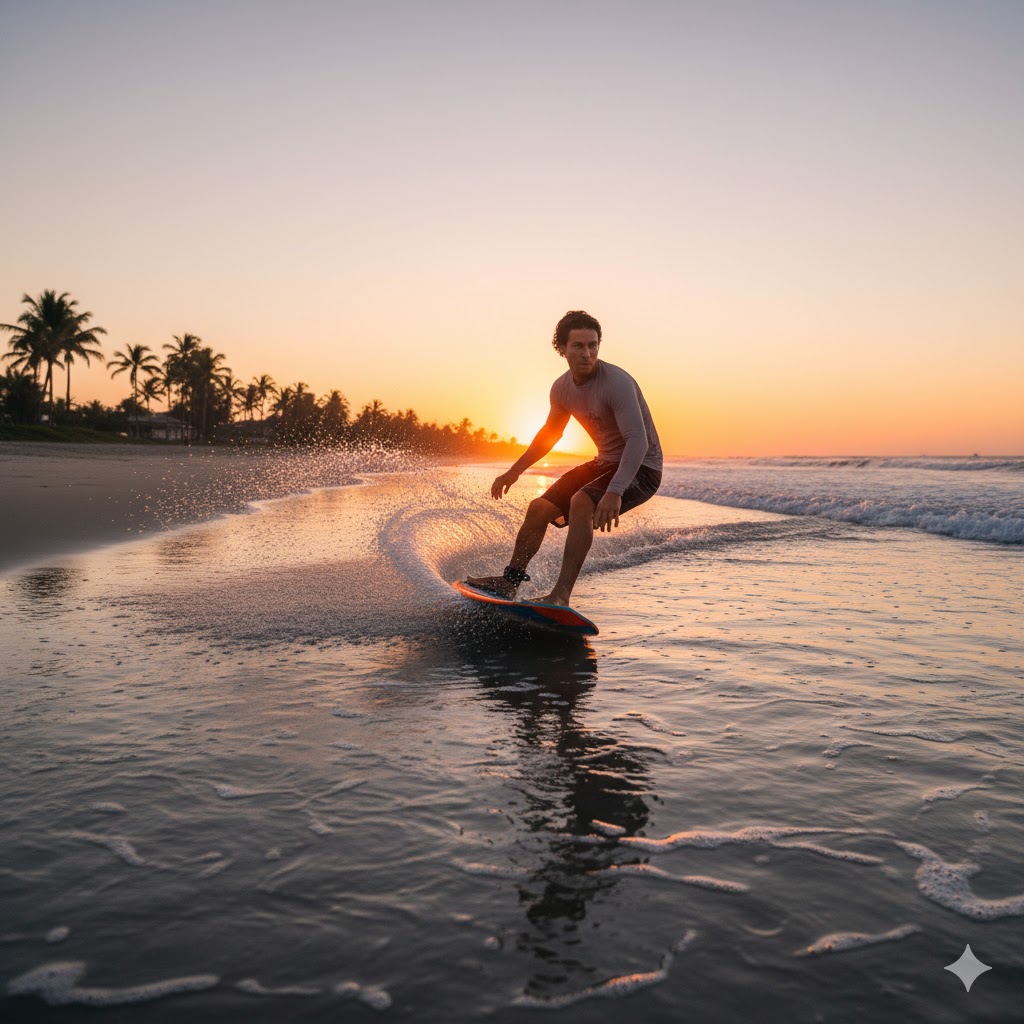
Skimboarding: A Deep Dive into the Fast-Growing Board Sport
Skimboarding is one of the most thrilling water sports in the world. It blends surfing, skateboarding, and bodyboarding into one high-speed experience. Born from beach culture, it attracts both amateurs and professionals worldwide. The sport is now a staple at coastlines, lakes, and even rivers. Skimboarding challenges balance, agility, and timing, making it a test of skill and creativity. With roots that stretch back nearly a century, this sport continues to grow across continents. Its history, global presence, community significance, and structured rules make it both exciting and deeply meaningful to those who play.
The Origin and History of Skimboarding
The story of skimboarding begins in Southern California. In the 1920s, lifeguards in Laguna Beach invented it as a fun way to glide across the shallow water. They used small, round wooden boards to ride the thin film of water that waves left on the sand. These early boards were simple, but the idea was revolutionary. Riders could slide, spin, and surf without ever paddling into deep water.
Through the decades, skimboarding evolved with the times. By the 1960s, surfers looking for a new challenge adopted the sport. The boards changed shape, becoming longer and more hydrodynamic. Fiberglass and foam replaced heavy plywood, giving riders better control. In the 1970s and 1980s, manufacturers began producing boards specifically designed for either “flatland” or “wave” styles. Flatland riders preferred shallow inland waters, performing tricks similar to skateboarding. Wave riders, on the other hand, ran toward breaking waves and used them like ramps.
By the 1990s, skimboarding became a global phenomenon. Magazines, competitions, and sponsorships began to appear. Riders from Brazil, Japan, and Europe started pushing the limits of what was possible. The sport gained recognition not only as a beach pastime but as a serious athletic pursuit. Today, skimboarding continues to evolve with new materials, advanced tricks, and international championships.
Global Popularity and Geographic Reach
Skimboarding’s appeal lies in its accessibility. Anyone near a body of water can try it. The sport thrives in coastal regions where waves break close to the shore. It’s also popular on riverbanks and lakes with smooth shallows. This flexibility helps it grow worldwide.
The United States remains the sport’s heartland. California and Florida host most of the major tournaments and training grounds. However, other countries have caught up quickly. Brazil’s beaches, such as Florianópolis, have become major skimboarding hubs. The Philippines also hosts vibrant local scenes with both flatland and wave riding communities. In Japan, beaches like Chigasaki attract young riders who blend traditional surf culture with skimboarding finesse.
Europe has also embraced the sport. Portugal’s Algarve region and Spain’s northern coasts see annual competitions. In France and the United Kingdom, riders often train in colder waters but remain passionate. Australia has a dedicated following too, with Perth and the Gold Coast serving as top destinations. Even in landlocked regions, skimboarding thrives in parks, lakes, and artificial lagoons.
Social media has accelerated the sport’s spread. Short clips of riders performing complex tricks go viral quickly. Online platforms allow fans and athletes to connect, share techniques, and organize local events. Today, skimboarding’s global footprint is undeniable, with enthusiasts found on nearly every continent.
Amateur Skimboarding: Youth, Schools, and Local Scenes
Amateur skimboarding forms the foundation of the sport. Many riders begin as children playing on the shoreline. The simplicity of starting out—just a board and some shallow water—makes it an ideal youth activity. Kids often learn balance and agility long before trying surfing or skateboarding.
In the United States, community programs and surf schools now include skimboarding in their lessons. Beach towns often organize youth skimboarding camps during summer. These camps teach safety, footwork, and trick basics. Local competitions encourage participation and build confidence. High school clubs, particularly in California and Florida, have begun integrating the sport into extracurricular programs. This helps foster teamwork, discipline, and respect for the ocean.
Across the globe, similar initiatives are rising. In Brazil, schools near the coast host weekend clinics that mix physical education with environmental awareness. Filipino youth groups use skimboarding to engage kids from fishing communities, turning recreation into opportunity. Japan’s beach clubs promote it as a blend of sport and art, focusing on creativity in tricks and board designs.
Amateur events remain vital to the sport’s ecosystem. They act as gateways to professional competitions. Riders often start in local beach contests before gaining sponsorships. The community atmosphere at these events is welcoming and supportive. Families, tourists, and fellow riders gather to cheer, making skimboarding both a sport and a celebration of coastal life.
Professional Leagues and Global Competitions
The professional side of skimboarding is as dynamic as the sport itself. The most recognized organization is the United Skim Tour (UST). It hosts events across North America, South America, and occasionally in Asia. Top riders compete for points throughout the season, with overall champions crowned annually. The UST emphasizes technical skill, style, and wave selection.
In Brazil, the Skimboarding World Cup attracts elite athletes from around the globe. It takes place on beaches known for perfect wave breaks. Riders demonstrate advanced tricks such as aerial spins, wraps, and shove-its. The Brazilian scene has produced some of the sport’s most innovative talents, inspiring new generations.
Europe hosts its share of professional competitions as well. The European Skimboarding Tour unites countries such as Portugal, Spain, and France. Each leg features unique conditions, from rocky shores to sandy bays. Australian and Japanese riders often join, creating a diverse and international field.
Sponsorships and media coverage continue to grow. Surf and skate brands see skimboarding as a natural extension of board culture. Major companies now produce specialized gear, apparel, and accessories. This professional infrastructure allows riders to earn a living through competitions, endorsements, and social media partnerships.
Technology has further elevated the sport. High-speed cameras capture incredible footage for fans worldwide. Live-streamed events make competitions accessible to anyone with an internet connection. As a result, professional skimboarding has never been more visible or more respected.
Political and Social Significance of Skimboarding
Beyond athleticism, skimboarding holds deep social and political value. It represents freedom, creativity, and connection to nature. For coastal communities, it often serves as both recreation and identity. The sport embodies the spirit of resilience, especially in areas affected by environmental or economic challenges.
Politically, skimboarding contributes to discussions about coastal preservation. Many skimboarding organizations advocate for clean beaches and ocean conservation. Riders often participate in beach cleanups, fundraising events, and awareness campaigns. This activism helps protect the very environments that make the sport possible.
Socially, skimboarding bridges cultural gaps. Riders from different countries share a common language through movement and style. International events promote tourism and cultural exchange. Communities benefit economically from competitions that draw crowds and media attention. Young people find purpose and camaraderie through participation, reducing social isolation and promoting healthy lifestyles.
In some regions, skimboarding even plays a role in social inclusion. Programs in Southeast Asia use the sport to engage underprivileged youth. By providing boards and training, local organizations help kids build confidence and stay in school. These efforts show how skimboarding can become a tool for empowerment.
The sport also challenges stereotypes. Unlike traditional team sports, it thrives on individuality and expression. Riders often develop their own styles rather than conforming to rigid structures. This creative freedom attracts artists, musicians, and adventurers alike. Skimboarding has become a symbol of alternative culture—a space where anyone can belong.
Rules and Structure of Skimboarding
While skimboarding may seem spontaneous, it follows specific rules, especially in competitions. These guidelines ensure fairness, safety, and clarity in judging.
1. Equipment Regulations:
Riders must use approved boards, usually between 39 and 52 inches long. Boards can be made from fiberglass, carbon fiber, or wood. Waxing the board improves grip. Fins are rarely used since most riding happens in shallow water.
2. Starting Technique:
A typical run begins with a sprint. The rider runs toward the shoreline carrying the board. As the thin layer of water from a receding wave spreads, they drop the board flat and jump onto it. Timing is everything—too early and the board sticks; too late and the water is gone.
3. Riding Zones:
Flatland riders stay in ankle-deep water, performing spins, slides, and jumps. Wave riders continue toward incoming surf. They catch the face of the wave, carve turns, or perform aerial tricks before returning to shore.
4. Scoring System:
In competitions, judges score based on style, control, trick difficulty, and execution. Wave selection also matters. Riders who use the environment creatively score higher. Falls or incomplete tricks lower totals. Usually, each rider gets several runs, with the best performances counting toward final scores.
5. Safety Standards:
Helmets and wetsuits are recommended in cold or rocky environments. Organizers ensure that spectators stay clear of the riding path. Competitors must respect environmental boundaries to protect wildlife and beach integrity.
6. Time Limits:
Each heat typically lasts between 10 and 15 minutes. Riders alternate turns within that window. This keeps events organized and allows equal opportunity for all participants.
These structured rules have elevated skimboarding from casual beach play to a professional discipline. They provide consistency for global tournaments and ensure that every competitor faces the same standards.
Cultural Expression and Innovation in Skimboarding
Culture plays a significant role in the sport’s evolution. Skimboarding mirrors the creativity of surf and skate culture, but it also has its own unique flavor. Many riders customize their boards with art, colors, and graphics. Music, photography, and video production often accompany the sport’s lifestyle. Events typically feature local bands, food vendors, and beach art, turning competitions into festivals.
The innovation in trick design never stops. Riders constantly invent new moves, borrowing from skateboarding and snowboarding. The blending of styles keeps the sport fresh and unpredictable. As environmental awareness grows, sustainable materials for boards are becoming more common. Eco-friendly resins and recycled cores reduce waste while maintaining performance.
Social media continues to push cultural boundaries. Riders share tutorials, highlight reels, and creative edits that inspire others to try new techniques. Influencers help shape fashion trends within the sport, from wetsuit styles to board designs. This digital community adds another layer of connection to an already tight-knit world.
Training, Fitness, and Skill Development
Skimboarding demands a unique combination of speed, agility, and balance. Riders train both on and off the beach. Sprinting improves acceleration during takeoff. Core workouts strengthen stability for landing tricks. Flexibility helps maintain control during slides and spins. Many professional riders cross-train with surfing, skateboarding, or snowboarding to enhance their coordination.
Mental preparation also matters. Timing a perfect run requires focus and awareness of water movement. Riders often visualize their approach before sprinting. Learning to read waves becomes second nature over time. The best athletes treat every session as both practice and performance.
For beginners, training focuses on technique and safety. Learning how to drop the board correctly prevents injuries. Practicing in calm water builds confidence. Once riders master balance, they move to more challenging conditions. Consistent effort leads to improvement, and progress feels rewarding.
Economic Impact and Tourism
Skimboarding also contributes economically to beach communities. Tournaments attract visitors, media crews, and sponsors. Local businesses such as hotels, restaurants, and surf shops benefit. Beach events often double as festivals, bringing together families and tourists. These gatherings stimulate local economies and highlight regional culture.
In developing coastal areas, skimboarding provides opportunities for small entrepreneurs. Local artisans craft boards and sell accessories. Communities host seasonal events to attract tourism. The sport’s relatively low cost compared to surfing makes it accessible, further broadening its appeal.
Countries investing in recreational infrastructure often include skimboarding zones in their coastal plans. Artificial wave pools and controlled lagoons now support the sport year-round. This commercial interest demonstrates how skimboarding has matured from a hobby into a legitimate industry.
Environmental Awareness and Responsibility
Since skimboarding depends on natural water conditions, environmental awareness is crucial. Pollution, erosion, and rising sea levels threaten beaches worldwide. Many riders have become advocates for sustainable practices. Using eco-friendly materials, supporting conservation projects, and reducing plastic waste are common initiatives within the community.
Competitions often feature cleanup drives before or after events. Organizers ensure that spectators and participants leave minimal impact. Skimboarders also use their platforms to raise awareness about ocean health. Their connection to the water gives them a powerful voice in promoting responsible behavior.
This environmental consciousness adds depth to the sport’s identity. Skimboarding isn’t just about competition—it’s about preserving the beauty of the natural world for future generations.
The Future of Skimboarding
The future of skimboarding looks bright. With expanding youth programs, growing professional leagues, and increasing global recognition, the sport continues to thrive. Advances in board technology will allow even more innovation in tricks and style. Media coverage and digital engagement will attract new audiences, inspiring people from all walks of life to try the sport.
As skimboarding grows, its community remains grounded in respect, creativity, and passion. It reminds everyone that joy can be found at the edge of land and sea, in that fleeting moment where the wave meets the shore.
Conclusion
From its humble beginnings in Laguna Beach to its worldwide recognition today, skimboarding stands as a celebration of motion, balance, and freedom. It unites cultures, inspires youth, and promotes environmental stewardship. Its evolution from lifeguard pastime to professional sport shows the power of passion and innovation. Whether performed on ocean waves or inland shallows, skimboarding continues to capture hearts and challenge limits. Its history, global reach, and cultural impact ensure that this exhilarating sport will keep gliding forward for generations to come.