
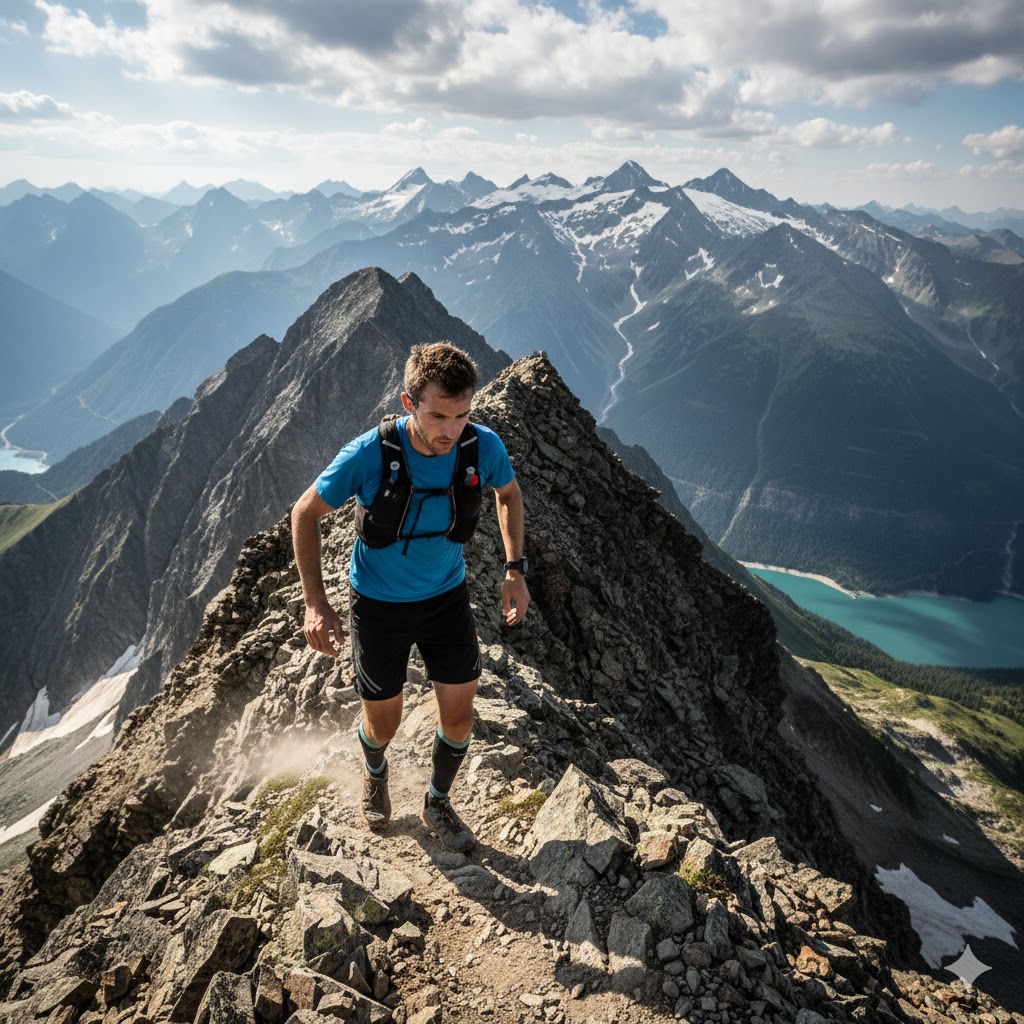
Skyrunning: The Ultimate High-Altitude Sport
Skyrunning is one of the most thrilling endurance sports on Earth. It combines mountain running with extreme altitude and technical terrain. Athletes push themselves above 2,000 meters where the air thins, the trails narrow, and the views stretch endlessly. This sport demands agility, strength, and courage. Born in the rugged mountains of Europe, Skyrunning has evolved into a global phenomenon, inspiring a new generation of adventure athletes. From its humble beginnings to professional leagues worldwide, the journey of Skyrunning reflects both athletic and cultural evolution.
The Origin and History of Skyrunning
Skyrunning began in the early 1990s thanks to an Italian mountaineer named Marino Giacometti. His vision was to combine mountain climbing with speed and competition. He and a small team of climbers began racing to the tops of Europe’s highest peaks. These daring races became the foundation of modern Skyrunning.
In 1992, Giacometti founded the Federation for Sport at Altitude, which later evolved into the International Skyrunning Federation (ISF). This organization gave structure to the sport and set rules to ensure safety and fairness. Early races took place on mountains like Mont Blanc and Monte Rosa. The combination of steep climbs, thin air, and unpredictable weather made them both dangerous and fascinating.
The sport gained momentum quickly. During the mid-1990s, new events appeared in Spain, France, and the Italian Alps. Each race offered unique challenges such as rocky ridges, snowfields, and technical descents. Competitors were often mountaineers, trail runners, and ultra-distance athletes seeking a new test of endurance.
By the 2000s, Skyrunning had spread beyond Europe. Races were held in North and South America, Asia, and Africa. Athletes competed at altitudes that few runners had ever attempted. The ISF standardized the sport with distinct race categories like Vertical Kilometer, SkyMarathon, and Ultra SkyMarathon. Each format tested different aspects of endurance and climbing ability.
Today, Skyrunning represents the pinnacle of mountain running. It blends the raw adventure of alpinism with the precision of professional competition. Its history continues to evolve as athletes and organizers push limits even further into the skies.
Global Popularity and Where Skyrunning Thrives
Skyrunning is now practiced on every continent except Antarctica. Europe remains its spiritual home, with countries like Italy, Spain, and France hosting legendary events. The Dolomites SkyRace in Italy and the Zegama-Aizkorri Marathon in Spain attract elite athletes and thousands of fans each year.
In North America, the United States and Canada boast several iconic races. The Rut Mountain Runs in Montana and the Broken Arrow Skyrace in California have become must-attend events for competitive trail runners. These races feature steep alpine routes and enthusiastic local communities that celebrate outdoor adventure.
South America has embraced Skyrunning with enthusiasm. Countries like Chile, Argentina, and Peru provide perfect conditions with their vast mountain ranges. The Andes offer breathtaking race locations such as Patagonia, where athletes battle both elevation and harsh weather.
Asia has also become a growing hub for the sport. Nepal, Japan, and China now host several international competitions. The Himalayan Skyrunning series in Nepal offers some of the world’s most demanding courses, combining high altitude and cultural richness.
Even Africa has joined the movement. Kenya and South Africa have organized events that attract both local and international runners. These races highlight the continent’s unique landscapes and vibrant athletic traditions.
The global appeal of Skyrunning lies in its combination of adventure, nature, and human endurance. It attracts people who love mountains and competition equally. The sport continues to grow each year as more runners seek to escape traditional marathons and explore the skies.
Amateur Skyrunning Around the World
Amateur participation forms the foundation of Skyrunning’s success. Thousands of runners around the world train on local mountain trails to prepare for these challenging races. The sport welcomes a broad range of participants, from recreational runners to experienced mountaineers.
In Europe, amateur Skyrunning clubs organize training sessions and local events. These smaller races allow newcomers to test their skills before attempting international competitions. Many clubs partner with schools and youth organizations to introduce young athletes to mountain running. These programs teach safety, endurance, and environmental respect.
In the United States, trail running groups often include Skyrunning-style races in their annual calendars. Amateur athletes train in national parks and wilderness areas that mimic professional race conditions. Youth programs are emerging, particularly in mountain states like Colorado and Utah. These initiatives encourage kids to explore outdoor sports while building discipline and teamwork.
South America also promotes amateur participation through community races. Many local organizers focus on tourism and cultural celebration. Runners often pass through remote villages, connecting the sport to local traditions. Schools in mountain regions of Chile and Argentina have begun integrating Skyrunning-like activities into physical education programs.
In Asia, Nepal has become a center for both amateur and youth Skyrunning. Local trekking guides and Sherpa communities have introduced the sport to younger generations. These athletes often train at extreme altitudes, giving them a natural advantage. Japan’s running clubs have also embraced mountain running as a fitness challenge for all ages.
The accessibility of the sport helps drive its popularity. With minimal equipment—good shoes, hydration gear, and determination—anyone can start. Amateur Skyrunning builds resilience and fosters a connection to nature that few other sports can match.
Professional Leagues and Competitions
The professional side of Skyrunning is highly organized. The International Skyrunning Federation oversees major events and rankings worldwide. It sets standards for altitude, course design, and safety protocols. The top-tier competition is the Skyrunner World Series, which began in 2002. This annual series features races across multiple continents and rewards athletes who perform best over the season.
Each race in the series is unique. Some focus on short, steep ascents known as Vertical Kilometers. Others cover marathon distances with extreme elevation gain. The Ultra SkyMarathon events push beyond 50 kilometers, testing endurance and strategy.
European countries dominate the professional circuit. Spain’s Kilian Jornet, Italy’s Emelie Forsberg, and Norway’s Stian Angermund are among the sport’s legends. Their performances have inspired countless others to pursue high-altitude running.
North America contributes several prestigious races to the global calendar. The Lake Tahoe Skyrace and The Rut Mountain Runs often feature international elite fields. These events bring together professionals and amateurs, creating a vibrant and inclusive environment.
Asia’s growing influence is also visible in the professional scene. The Mount Awa Skyrace in Japan and the Yading Skyrun in China have joined the world series. These races showcase stunning scenery and growing local enthusiasm.
Women’s participation has also flourished. Female athletes now compete at equal levels, receiving recognition for their achievements. This inclusivity strengthens the sport’s reputation as progressive and empowering.
The professional leagues continue to evolve. Sponsorships, media coverage, and live broadcasts are expanding. As more brands invest, Skyrunning gains recognition alongside trail and ultra-running events.
Political and Social Significance
Skyrunning carries deeper significance beyond competition. Socially, it represents a return to nature and simplicity. In a world dominated by technology and urban life, athletes reconnect with the mountains. The sport promotes environmental awareness and sustainable practices. Many events include conservation programs to protect fragile alpine ecosystems.
Politically, Skyrunning has also influenced discussions about land use and outdoor access. Governments in mountain regions have realized the sport’s potential for tourism and economic development. Hosting international races brings visitors, media attention, and investment. This has encouraged many countries to maintain trails and support eco-tourism.
In Nepal, for example, Skyrunning events provide employment for local guides and porters. Communities benefit economically while promoting their culture to a global audience. Similarly, in the Alps, regional governments collaborate with organizers to ensure safety and environmental preservation.
The sport also fosters international friendship. Races often feature competitors from dozens of nations. These gatherings promote cultural exchange and mutual respect. The shared challenge of conquering high peaks unites people across languages and borders.
Gender equality is another area where Skyrunning has made progress. The ISF has prioritized equal prize money and visibility for female athletes. This commitment reflects broader social movements advocating fairness in sports.
Through its growth, Skyrunning has become more than just a competition. It stands as a statement of respect for nature, community, and human potential. Its influence reaches from local villages to global sports organizations.
Rules and Structure of Skyrunning
Skyrunning follows clear rules that ensure safety and fairness. The International Skyrunning Federation defines the sport as running in the mountains above 2,000 meters with inclines exceeding 30% and climbing difficulty under grade II. These guidelines maintain consistency across events worldwide.
Each race must meet altitude and technical standards. Courses typically include steep ascents, rocky ridges, and challenging descents. Artificial climbing aids are generally prohibited. Runners must rely on natural terrain and personal skill.
The main race categories include:
- Vertical Kilometer (VK): A race that climbs 1,000 meters over less than five kilometers. It emphasizes explosive power and climbing efficiency.
- SkyRace: Distances range from 20 to 30 kilometers with high elevation gain. It balances speed and endurance.
- SkyMarathon: Around 42 kilometers in length, this event tests complete mountain running ability.
- Ultra SkyMarathon: Anything beyond marathon distance, often exceeding 50 kilometers, combining endurance, navigation, and mental strength.
Participants must carry mandatory gear, including weatherproof clothing, hydration, and safety equipment. Race organizers perform checks before and during the event to ensure compliance.
Weather can change rapidly at high altitude. Organizers may modify or cancel races if conditions become dangerous. Safety teams and medical personnel remain on standby throughout each event.
Competitors must follow marked routes. Any deviation can lead to disqualification. Littering or damaging the environment is strictly forbidden, reinforcing the sport’s environmental values.
Timing systems use chips or GPS devices to record results accurately. Penalties apply for rule violations, unsportsmanlike behavior, or missing checkpoints.
The rules emphasize respect—for nature, fellow competitors, and local communities. They help preserve the sport’s integrity while protecting participants and the environment.
Training and Preparation
Preparing for Skyrunning requires specific training. Athletes must combine endurance, strength, and agility. Uphill running is key, but downhill control is equally vital. Training often includes long mountain runs, interval sessions, and climbing drills.
Altitude adaptation plays a major role. Many runners train at moderate elevations to prepare their bodies for thin air. Proper nutrition and recovery are essential. Balanced diets rich in carbohydrates and protein help sustain performance.
Mental toughness is also crucial. Skyrunning demands focus and courage. Weather, fatigue, and exposure test even the best athletes. Visualization and breathing techniques help manage stress and maintain rhythm.
Equipment must be lightweight yet reliable. Trail shoes with strong grip, breathable clothing, and hydration packs are standard. Poles are sometimes allowed in longer events to reduce leg strain on steep climbs.
Amateurs and professionals alike treat preparation as a year-round process. Consistent training ensures not only success but also safety in extreme environments.
The Cultural Spirit of Skyrunning
Beyond competition, Skyrunning embodies a unique cultural spirit. It celebrates freedom, adventure, and humility before nature. Each event feels like a festival of endurance and community. Local traditions often blend with modern athleticism, creating unforgettable experiences.
In the Alps, races finish in small mountain villages where locals cheer with cowbells. In Nepal, monks bless runners before they ascend sacred trails. These cultural connections enrich the sport and deepen its meaning.
The camaraderie among runners is exceptional. Competitors encourage one another despite the difficulty. The shared challenge creates bonds that transcend national and cultural boundaries.
Photography and storytelling also play a role. The breathtaking scenery inspires filmmakers, writers, and outdoor brands. Images of athletes leaping across ridges or climbing through clouds symbolize human aspiration.
The Skyrunning lifestyle extends beyond races. Many participants live sustainably, hike regularly, and advocate for environmental preservation. The sport’s culture promotes balance between ambition and respect for nature’s limits.
The Future of Skyrunning
The future of Skyrunning looks bright. The International Skyrunning Federation continues to expand its calendar and attract new nations. Emerging regions like Eastern Europe, Central Asia, and South America will likely host more events soon.
Technological advances such as GPS tracking and live streaming make the sport more accessible to fans. Sponsors recognize its appeal to adventure seekers and environmentally conscious audiences. Media exposure is helping Skyrunning gain recognition beyond the trail running community.
Youth development remains a key focus. Programs that introduce mountain running to young athletes ensure long-term growth. The ISF and national federations are investing in coaching, safety education, and school partnerships.
Sustainability is another important goal. Organizers are adopting zero-waste policies and supporting local conservation. This commitment strengthens the sport’s ethical foundation and aligns it with global environmental efforts.
As climate change affects mountain environments, adaptability becomes essential. Race organizers must monitor conditions and protect fragile ecosystems. The Skyrunning community’s dedication to responsible practices positions it as a model for other outdoor sports.
The blend of athletic challenge, environmental awareness, and cultural respect guarantees that Skyrunning will continue inspiring new generations.
Conclusion
Skyrunning stands as one of the most demanding yet beautiful sports in the world. It began as a dream among mountain climbers and grew into a global movement. Today, it unites athletes who seek challenge, freedom, and connection to nature.
Its history reflects innovation and courage. Its global reach demonstrates universal passion for the mountains. Amateur and professional participants alike share the same drive—to test limits and embrace the heights.
Socially and politically, the sport promotes unity, sustainability, and empowerment. Its rules ensure fairness, safety, and respect for the environment. Its spirit reminds everyone that true success lies not only in reaching the summit but in the journey itself.
Through every step on steep trails and every breath of thin mountain air, Skyrunning captures the essence of human adventure. It challenges the body, strengthens the mind, and connects people to the sky itself.