
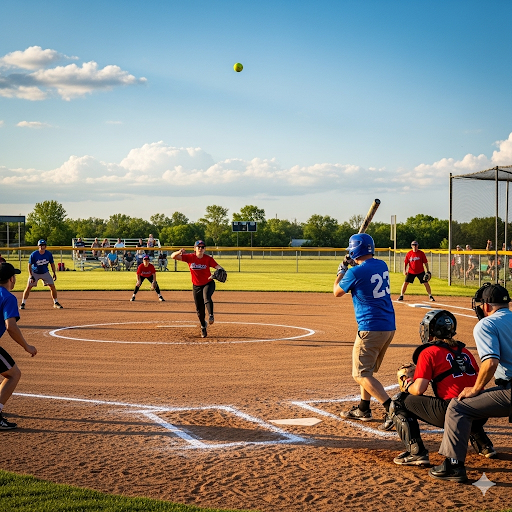
The Complete Guide to Slow Pitch Softball
Slow Pitch Softball is one of the most popular recreational sports in the world today. The game combines teamwork, strategy, and athletic skill while offering a slower and more controlled style of play compared to fast pitch. Players of all ages enjoy the sport because it is accessible, fun, and competitive. Communities across the globe host leagues, tournaments, and festivals centered around Slow Pitch Softball. In this guide, you will learn the history, global growth, amateur development, professional leagues, social impact, and rules that define this exciting sport.
The Origin and History of Slow Pitch Softball
The history of Slow Pitch Softball stretches back more than a century. The roots of the sport begin with traditional softball, which itself evolved from baseball. Softball was invented in Chicago in 1887 when a group of men, stuck indoors due to bad weather, began tossing a boxing glove as a makeshift ball. That spontaneous indoor game sparked a movement that would create one of the most inclusive sports ever developed.
During the early decades, softball grew rapidly in North America. It was initially called “indoor baseball” and later became known as “softball.” The original versions were fast-paced, using quick pitching similar to baseball. By the 1950s, however, recreational players sought a slower variation that allowed more consistent hitting and higher levels of participation. This gave birth to Slow Pitch Softball.
The rules of the slower format emphasized fun and inclusivity. Pitchers had to deliver the ball in an underhand arc, making it easier to hit. Offense became the centerpiece of the game, leading to high-scoring contests. Families, local clubs, and community groups adopted the sport quickly, and leagues began to form across North America.
In the decades that followed, governing bodies such as the Amateur Softball Association (ASA), now USA Softball, standardized the rules for slow pitch. International organizations like the International Softball Federation (ISF) also embraced the format, spreading it to dozens of countries worldwide. By the 1970s, Slow Pitch Softball had firmly established itself as a unique branch of the softball family, distinct from its faster cousin.
Global Popularity of the Sport
Today, Slow Pitch Softball enjoys global recognition. The sport thrives in the United States, Canada, the Caribbean, and parts of Latin America. In these regions, recreational and competitive leagues fill public parks every weekend. Cities host regional tournaments that draw hundreds of teams, making the sport an important part of community culture.
In Europe, countries like the United Kingdom, Germany, Italy, and the Netherlands have embraced slow pitch. Clubs in these nations organize leagues that blend both local players and expatriates from North America who bring their love of the sport abroad. Many European teams participate in international championships sanctioned by the European Softball Federation.
Asia has also seen strong growth. Japan and the Philippines are notable hubs, with thousands of amateur and company-sponsored teams. In Japan, corporate leagues are especially popular, with major businesses sponsoring teams that compete after work hours. The Philippines has long included softball in school curriculums, which helped promote slow pitch as a casual alternative.
The sport is also played in Australia, New Zealand, and parts of Africa. International tournaments bring together players from multiple continents, creating a truly global community. The World Baseball Softball Confederation (WBSC), formed from a merger of major governing bodies, continues to promote slow pitch internationally.
The accessibility of the sport drives its popularity. Because the pitching is slower and hitting is easier, more participants experience success at the plate. That feeling of accomplishment encourages long-term involvement and helps keep the sport thriving.
Amateur Slow Pitch Softball
Amateur play forms the backbone of Slow Pitch Softball worldwide. Communities everywhere organize local leagues for youth, adults, and seniors. These grassroots levels keep the sport vibrant and ensure new generations discover the game.
Youth and School Programs
Youth programs have grown steadily over the past few decades. Many schools introduce students to softball in physical education classes. Coaches often prefer the slow pitch version because it encourages more hitting and longer rallies. Children get to run the bases, score runs, and actively participate, rather than waiting for rare contact against faster pitching.
Recreational leagues specifically for children and teenagers provide opportunities for structured competition. In North America, summer leagues are extremely popular, with children playing several games a week. Volunteer coaches, often parents, teach fundamental skills such as throwing, catching, and batting. The emphasis remains on teamwork and enjoyment rather than winning at all costs.
High schools occasionally organize intramural leagues featuring slow pitch. These programs attract students who may not play varsity-level fast pitch softball or baseball but still want to enjoy the sport. The inclusive nature ensures that students of varying athletic abilities can participate together.
Adult Leagues
Adult amateur leagues represent the largest segment of players. Across the United States, local parks departments organize recreational slow pitch leagues. Co-ed divisions are especially common, encouraging men and women to compete on the same teams. These leagues foster community connections while promoting healthy activity.
Tournament play provides an additional level of excitement. Traveling teams enter weekend tournaments hosted in cities nationwide. These events often feature dozens of teams and attract hundreds of spectators. Businesses sometimes sponsor teams, covering entry fees and uniforms. The social atmosphere at these events is as important as the competition itself.
Senior Participation
Slow Pitch Softball also has a unique place among senior athletes. Players well into their 50s, 60s, and even 70s continue to enjoy the game. Modified rules, such as shorter base paths and courtesy runners, help older athletes stay involved. Senior tournaments are held across the United States, and international senior championships bring together competitors from multiple countries.
Professional Leagues Around the World
While amateur participation dominates, professional Slow Pitch Softball has also developed. The United States leads the way, with organizations promoting high-level play. The United States Specialty Sports Association (USSSA) is among the largest and organizes elite-level tournaments. Their Major World Series, held annually in Florida, draws the best slow pitch teams and showcases world-class hitting and fielding.
Another prominent league is the National Softball Association (NSA). They sanction professional and semi-professional competitions across the country. Top-level teams attract sponsorships from sporting goods companies, apparel brands, and local businesses. Star players sometimes achieve recognition within the softball community, earning reputations as elite sluggers.
In Canada, regional leagues organize professional-style competition, often connected with national championships. Europe has also seen growth in competitive slow pitch leagues, though most operate on a semi-professional level. In the United Kingdom, top clubs compete for national titles, and international events bring together the continent’s best players.
Professional tournaments in Latin America are especially vibrant. The Dominican Republic and Puerto Rico have strong softball traditions, and slow pitch leagues there are highly competitive. Caribbean tournaments frequently feature festive atmospheres, with music, food, and large crowds.
Although slow pitch may not reach the media coverage levels of baseball or soccer, professional leagues maintain loyal fan bases. Broadcasts and live streams of major tournaments have expanded in recent years, bringing the sport to wider audiences online.
Political and Social Significance
Slow Pitch Softball holds important social value. The sport has long been associated with inclusivity and community building. Its slower pace allows people of different skill levels, genders, and ages to participate together. This creates a rare athletic environment where entire families can share the same playing field.
Co-ed leagues, in particular, break down traditional gender barriers in sports. Men and women compete side by side, with rules ensuring balanced participation. This promotes equality and helps create friendships across social divides.
Politically, the sport has played a role in international cooperation. Friendly tournaments often act as bridges between cultures. Countries that might not share strong diplomatic ties still send teams to compete in softball events. These interactions build goodwill and foster understanding between diverse communities.
Within the United States, Slow Pitch Softball has also served as a platform for local governments to promote health and wellness. Municipalities invest in softball fields as part of public recreation initiatives. These investments provide accessible opportunities for physical activity, reducing healthcare costs in the long term.
Additionally, the sport has supported charitable causes. Many leagues and tournaments organize charity games, raising funds for hospitals, schools, and disaster relief efforts. This strengthens the link between athletics and social responsibility.
Rules of Slow Pitch Softball
The rules of Slow Pitch Softball differ significantly from fast pitch. These differences create a game that emphasizes offense, strategy, and inclusivity.
Pitching
The pitcher must deliver the ball underhand with an arc. The arc usually ranges between 6 and 12 feet above the ground, depending on league rules. The ball must cross the plate within this arc for a strike to be called. If the pitch is too low or too high, it counts as a ball.
Batting
Batters face easier pitches, which encourages frequent contact. Because hitting is easier, defenses must strategize carefully. Many leagues use home run limits to balance scoring. For example, once a team hits a certain number of home runs, additional over-the-fence hits count as outs.
Fielding
Teams typically field 10 players rather than 9. The extra fielder often plays in the outfield, where deep hits are common. Defensive positioning is critical because strong batters can drive balls into gaps with ease.
Base Running
Base paths are usually 65 feet, shorter than in baseball. This encourages more action on the bases. Sliding rules vary by league, but safety is always emphasized. Courtesy runners may be allowed, especially in senior leagues.
Game Length
Most games last seven innings. However, many recreational leagues use time limits of about one hour. This ensures multiple games can be played in a single evening. Run rules, also known as mercy rules, may end games early if one team leads by a large margin.
Equipment
The official ball is larger and softer than a baseball, typically 12 inches in circumference. Bats designed for slow pitch are engineered for power and durability. Protective gear such as helmets, masks, and shin guards is encouraged but varies by league.
Conclusion
Slow Pitch Softball continues to grow as one of the world’s most inclusive and enjoyable sports. From its humble beginnings in Chicago to its global spread, the game has evolved into a cultural and athletic phenomenon. Amateur leagues keep communities engaged, while professional tournaments showcase elite competition. Socially and politically, the sport fosters equality, cooperation, and charity. Its rules create a balance of fun and strategy, ensuring that players of all skill levels can participate.
Whether you are a child learning the basics, an adult enjoying weekend leagues, or a senior staying active, Slow Pitch Softball offers something for everyone. The sport’s accessibility and community spirit ensure it will remain a beloved pastime for generations to come.