
The High-Octane World of Snocross: Speed, Snow, and Skill
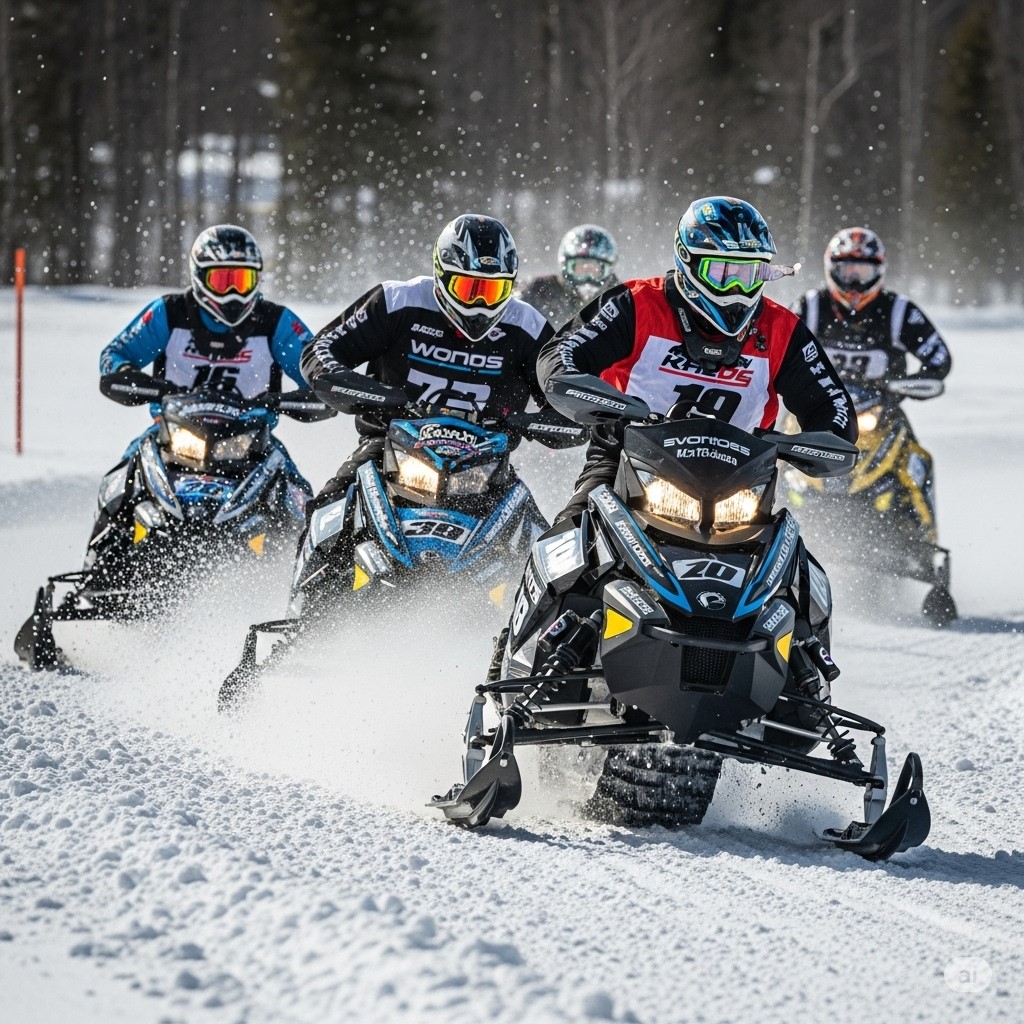
Snocross is a thrilling winter sport that combines snowmobiling with motocross-style racing. Riders compete on icy, high-speed tracks filled with jumps, turns, and rough terrain. This fast-paced sport has captured the attention of fans around the world. From its humble beginnings to its global appeal today, Snocross continues to grow in popularity and influence. As more youth and amateur leagues get involved, the sport’s reach extends further every season. Its impact socially and politically is also growing, particularly in snowbelt regions where it contributes to the local culture and economy.
Let’s explore the fascinating story of Snocross and how it has become a powerhouse winter motorsport.
The Origins and History of Snocross
Snocross traces its roots back to the early 1980s in North America. Snowmobiling itself had been popular for decades, especially in Canada and the northern United States. As riders pushed their machines to the limit, the idea of competitive racing began to take shape.
The first real Snocross-style events were informal. Riders would gather on natural snow-covered trails or hills and race for fun. Over time, the events became more organized. Tracks were developed with jumps and sharp corners. Safety standards improved. Eventually, formal competitions emerged.
In 1992, the first organized Snocross race took place in Duluth, Minnesota. This event, now known as the Duluth National, is one of the most iconic Snocross competitions in the world. It marked a turning point in the sport’s evolution.
Throughout the 1990s, Snocross gained credibility. Manufacturers like Polaris, Arctic Cat, Yamaha, and Ski-Doo began supporting the sport. They provided factory teams, sponsorships, and even helped design better racing snowmobiles. In 1998, the sport reached a major milestone when it was included as a demonstration sport in the Winter X Games. The exposure led to increased mainstream attention.
By the early 2000s, the International Series of Champions (ISOC) took over as the main governing body in the United States. They created a structured league and helped professionalize the sport.
Now, over three decades later, Snocross is a premier winter racing event with fans and competitors across the globe.
Global Popularity and Where Snocross Is Played
Snocross enjoys major popularity in snowbelt regions across the Northern Hemisphere. The sport thrives in places where heavy winter snowfalls are common and snowmobiling is part of the culture.
North America
The United States and Canada are the sport’s biggest markets. Minnesota, Wisconsin, Michigan, and New York are key states. In Canada, Quebec and Ontario are hotspots. Events draw thousands of fans during the winter months.
The U.S. is home to the AMSOIL Championship Snocross series, the most prominent league in the sport. Canada also has its own series, including the CSRA (Canadian Snowcross Racing Association), which supports both amateur and pro riders.
Scandinavia
Scandinavia is another Snocross powerhouse. Sweden, Norway, and Finland host numerous professional events. Snowmobiling is deeply rooted in these cultures, especially in rural and Arctic areas. Riders often transition from snowmobiling for transportation to competing in races.
The Scandinavian Snocross Championship features elite talent and is widely respected. These countries also regularly produce top-tier international racers.
Europe and Beyond
Outside of North America and Scandinavia, Snocross has gained traction in other European countries. Russia, Austria, and Switzerland all host competitive events. While the sport is less established in Asia, Japan has seen limited growth in the snow-rich northern island of Hokkaido.
Even in the Southern Hemisphere, Snocross shows some potential. In the mountainous regions of New Zealand and parts of Chile and Argentina, winter sports including snowmobiling are gaining popularity.
Amateur Snocross: Youth, Schools, and Community Leagues
Amateur Snocross is the backbone of the sport’s growth. Grassroots participation keeps the competitive scene alive and brings new talent to the forefront. It also introduces younger audiences to the sport in a safe, fun, and structured way.
Youth Involvement
Children as young as four can participate in introductory Snocross classes. Mini snowmobiles, often with reduced horsepower, help young riders learn control and technique. These machines are safer and scaled to fit smaller riders.
Youth competitions are divided by age and engine size. Classes like the 120cc, Transition 8-10, and Junior 10-13 are common. Safety gear is mandatory. Riders must wear helmets, chest protectors, boots, and goggles at all times.
High School and Club Programs
In snowbelt regions, high schools and local clubs often sponsor teams or riders. While not always officially sanctioned by school sports programs, these clubs provide racing opportunities and community involvement. Local races are held on weekends during the winter season.
These leagues focus heavily on rider development. They emphasize sportsmanship, mechanical skills, and responsible riding. Many of today’s professional racers got their start in these grassroots programs.
Community Engagement
Amateur Snocross events are often community festivals. Food vendors, bonfires, raffles, and family activities create a festival-like atmosphere. This helps introduce more people to the sport, creating future fans and participants.
Because the sport is closely tied to local winter economies, many towns see Snocross as more than just entertainment. It helps sustain tourism during colder months and fosters regional pride.
Professional Snocross Leagues Around the World
Several professional leagues operate globally, providing competitive platforms for elite riders. These organizations help set standards, manage points systems, and broadcast events.
AMSOIL Championship Snocross (United States)
This is the premier Snocross league in the U.S. It features a series of races across the northern states from December through March. The league includes classes like Pro, Pro Lite, Pro Women, and Sport.
Major events include the Duluth National, Canterbury Park National, and Lake Geneva Grand Finale. Riders accumulate points throughout the season. Champions are crowned based on total points.
Riders often have factory sponsorships from snowmobile manufacturers. Racing is intense, and events are broadcast on networks like CBS Sports and streamed online.
CSRA (Canada)
Canada’s top league, the Canadian Snowcross Racing Association, features events across Ontario and Quebec. Like AMSOIL, it includes Pro, Semi-Pro, and youth divisions. CSRA also supports adaptive riders, promoting inclusivity.
The league is known for its challenging courses and strong rider development programs. Many Canadian riders who move to AMSOIL or European leagues got their start here.
Scandinavian Championships
Sweden and Norway host several professional races during the winter. Events often take place on ski hills or frozen lakes, offering varied terrain.
The Swedish Snocross Championship is a top-tier series. Finland also runs national events that attract strong local participation. Scandinavian leagues are renowned for their technical precision and rider training systems.
Other International Events
In Russia, the Snowcross Cup is held in Siberia and other cold regions. European circuits sometimes include crossover racers from motocross or rally events. While smaller in scale, these leagues help keep the sport diverse.
Rules and Race Structure of Snocross
Snocross races follow strict rules to ensure fair competition and safety. Races are typically held on closed-loop tracks filled with features like jumps, berms, and whoops (small, repetitive bumps).
Race Format
A standard event features multiple classes based on age and skill level. The most common classes include:
- Pro
- Pro Lite
- Sport
- Women
- Junior (ages 10–17)
- 120cc (youth)
Each class races in heats to determine starting positions for the finals. Points from each heat contribute to overall rankings.
Track Design
Tracks are usually ¼ to ½ mile in length. They include tight turns, tabletop jumps, and elevation changes. Snow is groomed for consistency. Tracks must meet safety standards set by sanctioning bodies.
Riders may complete 6 to 20 laps depending on class and conditions. Races last between 6 and 15 minutes. Finals are longer and more demanding.
Scoring and Points
Racers earn points based on finishing position in each race. The point system helps determine standings over a season.
- 1st place: 25 points
- 2nd place: 22 points
- 3rd place: 20 points
- …and so on.
The racer with the most points at season’s end becomes the class champion.
Safety Requirements
All riders must wear:
- Certified helmets
- Protective goggles
- Gloves and boots
- Chest and back protectors
- Full racing suits
Machines must meet engine and weight regulations for each class. Officials inspect snowmobiles before and after races to ensure compliance.
The Political and Social Impact of Snocross
Snocross is more than a sport; it plays a significant role in the social and political landscape of many snowbelt regions.
Economic Contributions
Snocross events generate millions in revenue. Hotels, restaurants, gas stations, and winter apparel stores see significant boosts during race weekends. For rural towns, this income is vital during slower winter months.
Local governments often support Snocross with grants and resources. They recognize the sport’s potential to draw tourism and media attention. In many places, Snocross is included in regional development plans.
Environmental Concerns
Environmental groups sometimes criticize snowmobile racing for noise and emissions. In response, leagues have adopted cleaner engines and more efficient maintenance protocols.
Tracks now use snow made from recycled water. Portable barriers reduce the need for permanent structures. Environmental impact studies are conducted before new tracks are approved.
Cultural Significance
Snocross promotes regional identity, especially in Northern communities. The sport reflects a lifestyle built around winter survival, adventure, and innovation. It often features in local festivals, parades, and school programs.
The sport also supports gender equality. More women compete every season, and female racers have their own Pro Women division in many leagues.
Inclusivity and Accessibility
Adaptive classes allow riders with physical disabilities to compete. These divisions use modified snowmobiles. Riders receive support from leagues and sponsors. This makes the sport more inclusive and expands its appeal.
Conclusion
Snocross blends speed, skill, and snow in a spectacular way. What began as informal races in snowy backwoods has become an international motorsport. The sport’s explosive popularity across North America and Europe is no accident. It thrives due to passionate communities, dedicated organizers, and daring athletes.
Amateur and youth involvement ensures the sport’s future. Professional leagues bring global visibility and prestige. Meanwhile, its cultural and economic contributions make it a powerful force in winter communities.
As the sport continues to evolve, Snocross will likely become even more prominent on the world stage. With its unique mix of adrenaline, competition, and winter culture, Snocross is here to stay.