
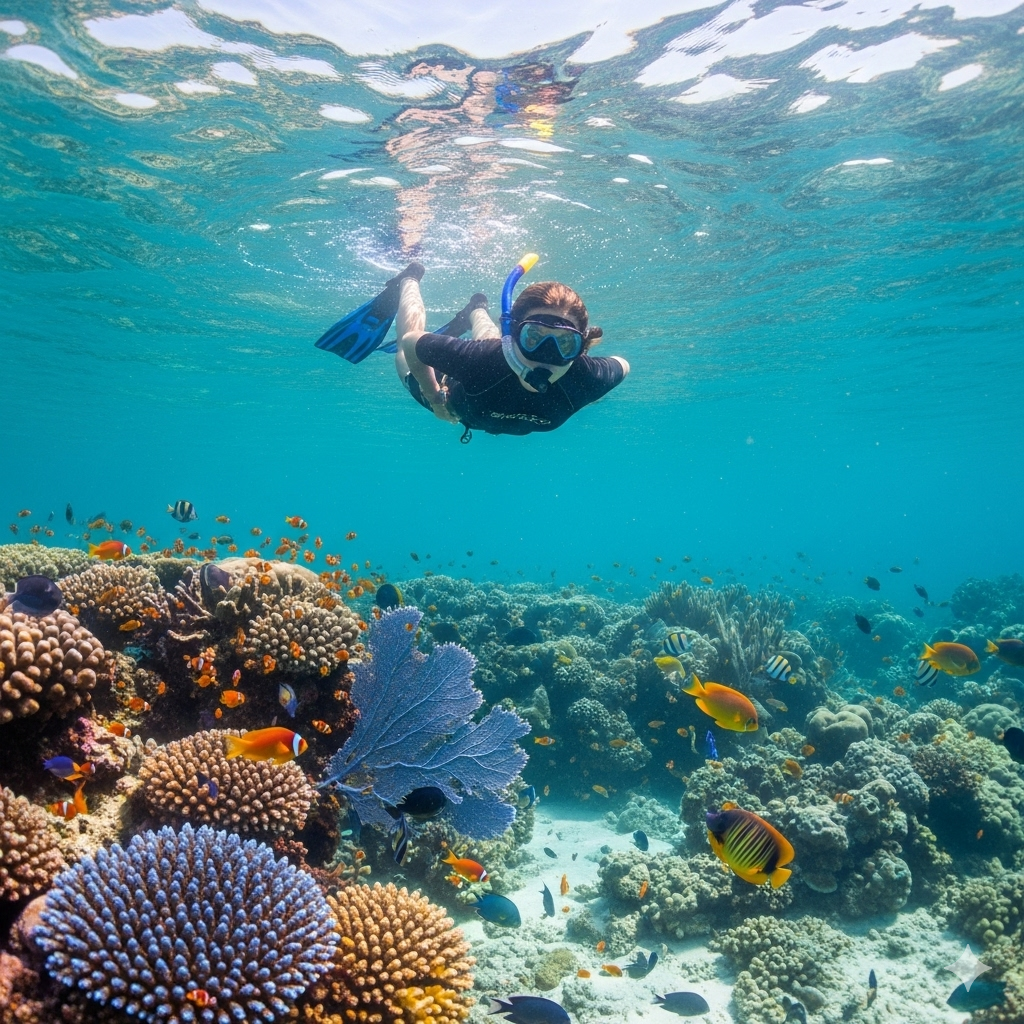
Snorkeling: A Global Sport of Exploration, History, and Community
Snorkeling has grown into one of the most fascinating water activities in the world. Unlike scuba diving, it requires minimal equipment. Yet, it offers people an incredible way to explore the underwater environment. The sport connects culture, history, tourism, and even environmental education. It provides both casual enjoyment and competitive opportunities. Its origins go back centuries, but today it has become a worldwide pursuit for all ages.
The Ancient Origins of Snorkeling
The history of snorkeling begins with ancient civilizations. People have always been drawn to the mysteries beneath the water’s surface. Evidence from Greece shows that sponge divers used hollow reeds to breathe while collecting natural sponges. This practice is considered the earliest form of snorkeling. These divers risked their lives in pursuit of resources that were vital for trade and daily use.
In other cultures, similar methods emerged. In Polynesia, fishermen created wooden masks with glass lenses to peer underwater. The idea of extending breath-holding abilities through simple tools carried forward across time. Ancient Assyrians even depicted soldiers using inflated goat bladders to cross rivers while breathing through reeds. The concept of assisted underwater breathing clearly fascinated many civilizations.
During the Renaissance, inventors began experimenting with underwater exploration devices. Leonardo da Vinci sketched ideas for snorkel-like breathing systems. His designs were not fully practical, but they proved that people constantly searched for ways to stay underwater longer. By the 20th century, technology had advanced enough to develop the modern snorkel tube.
The Modern Development of Snorkeling
Snorkeling as a recreational sport blossomed in the mid-20th century. Equipment manufacturers began creating rubber masks, fins, and breathing tubes. This made underwater exploration safe and accessible to the general public. Coastal resorts soon recognized its tourism potential. Vacationers could now observe coral reefs and marine life without specialized training.
The growth of tourism in places like Hawaii, the Caribbean, and the Mediterranean fueled the sport’s popularity. By the 1960s, snorkeling was marketed as a family activity. Equipment became affordable and widely available in sporting goods stores. Instruction manuals and travel brochures promoted the joys of exploring shallow reefs, lagoons, and clear coastal waters.
Over time, advancements in materials improved the experience. Silicone masks offered better comfort, while dry-top snorkels reduced water intake. Lightweight fins enhanced efficiency for swimmers of all levels. These innovations helped transform snorkeling from a niche activity into a mainstream sport.
Global Popularity of Snorkeling
Today, it ranks among the most popular water activities worldwide. Millions of people participate each year. Tropical destinations have especially embraced the sport as a core part of tourism. Places like the Great Barrier Reef in Australia, Hanauma Bay in Hawaii, and the Maldives attract snorkelers from every continent.
In Asia, Thailand and the Philippines offer vibrant coral ecosystems ideal for underwater exploration. In the Caribbean, islands like Aruba, Bonaire, and the Bahamas rely on snorkeling tourism for a significant portion of their economy. Even colder regions, such as Iceland, have developed snorkeling adventures in unique environments like the Silfra fissure.
Global demand continues to rise. Airlines, cruise lines, and resorts all promote snorkeling excursions. This has made the sport accessible to beginners who might otherwise never attempt underwater activities. The simplicity of equipment also helps bridge cultural and generational gaps. It appeals to both young adventurers and retirees.
Amateur Snorkeling Around the World
Amateur snorkeling thrives as both a leisure and educational activity. Families often introduce children to underwater environments using shallow lagoons or calm beaches. Schools in coastal areas sometimes integrate snorkeling programs into their physical education or environmental science classes. This approach combines fitness with marine conservation awareness.
Youth camps and summer programs also include snorkeling lessons. These experiences encourage teamwork, safety awareness, and respect for marine ecosystems. Many organizations partner with conservation groups to teach young snorkelers about coral reef preservation. Such programs build lifelong appreciation for the ocean.
Amateur clubs exist across many countries. These groups organize local trips, competitions, and cleanup events. For example, in coastal towns, community snorkeling days allow participants to collect trash while enjoying the sport. This combination of fun and responsibility strengthens community bonds.
Snorkeling also provides an entry point to other aquatic activities. Many young snorkelers later advance to freediving or scuba diving. The sport acts as a stepping stone for those interested in deeper exploration of the underwater world.
Professional Leagues and Competitive Snorkeling
While most people view it as recreational, competitive variations have emerged. Some leagues focus on endurance events. These competitions test how far or fast participants can swim with snorkel gear in controlled conditions. They combine elements of swimming, freediving, and snorkeling.
In Europe, underwater hockey and underwater rugby involve snorkel use during gameplay. Both sports require masks, fins, and snorkels while athletes battle for control of a puck or ball. These competitions are governed by international federations and attract global participants.
Additionally, several snorkeling-based races take place annually. In Wales, the World Bog Snorkeling Championship draws adventurous athletes from across the globe. Contestants swim through murky peat bog trenches while wearing snorkels and flippers. This quirky event has gained international attention for its eccentric but competitive nature.
Professional snorkeling leagues remain less structured than mainstream sports. However, associations continue to explore ways of formalizing competitions. Endurance swimming circuits, eco-tourism races, and adventure sports festivals often feature snorkeling categories. These professional events highlight the sport’s versatility and global appeal.
Social and Political Significance of Snorkeling
Snorkeling holds unique social value. It encourages cultural exchange, environmental awareness, and sustainable tourism. Resorts and tour operators depend heavily on the sport to attract visitors. As a result, snorkeling contributes significantly to local economies. Communities in island nations often rely on it as a main source of employment.
Politically, the sport intersects with marine conservation policies. Governments protect coral reefs and marine sanctuaries to preserve snorkeling tourism. These policies balance economic benefits with environmental sustainability. For instance, Thailand temporarily closed certain beaches to allow reef recovery after heavy tourist impact. Such decisions highlight how snorkeling can influence national policy.
Social movements have also used snorkeling as a tool for activism. Environmental organizations organize mass snorkeling events to raise awareness about climate change, coral bleaching, and plastic pollution. These efforts combine recreation with advocacy. They create powerful images of communities uniting underwater for a cause.
The sport further promotes inclusivity. Adaptive snorkeling programs allow people with disabilities to experience marine life. Non-profit groups provide specialized equipment and training. This ensures that everyone, regardless of physical ability, can enjoy underwater exploration.
Rules of Snorkeling
Although snorkeling appears simple, clear rules enhance safety and enjoyment. Beginners are encouraged to follow basic guidelines. First, always snorkel with a partner. This reduces risks and ensures help is available if needed. Second, proper equipment use is essential. Masks should fit securely, and snorkel tubes must remain above water for effective breathing.
Respect for marine life is another critical rule. Snorkelers must avoid touching coral, fish, or other creatures. Contact can damage fragile ecosystems and harm both the environment and the snorkeler. Additionally, swimmers should maintain buoyancy control to prevent accidental reef damage.
Environmental responsibility also plays a role. Many destinations prohibit sunscreen that contains harmful chemicals. Snorkelers should use reef-safe products to minimize impact. Littering in the ocean is strictly forbidden. Participants are often encouraged to pick up small debris when possible.
Local regulations may impose further rules. In some areas, snorkelers must stay within designated zones to avoid boat traffic. Certain marine reserves require permits. Lifeguards or tour operators frequently brief groups on these rules before excursions.
Finally, physical safety should not be overlooked. Snorkelers must stay hydrated, avoid strong currents, and recognize personal limits. Following these rules ensures that the sport remains enjoyable, safe, and sustainable for all participants.
The Future of Snorkeling
Looking forward, snorkeling continues to expand globally. Innovations in virtual reality and underwater photography attract new generations. Snorkeling excursions now often include professional photography packages. This allows participants to share their adventures online, further boosting global interest.
Sustainable tourism initiatives are also shaping the future. Resorts increasingly partner with conservation groups to ensure reef protection. Some even offer eco-certifications for snorkeling excursions that meet strict environmental standards. These programs encourage responsible travel while supporting local economies.
Educational programs will likely expand further. Schools worldwide are recognizing the value of teaching marine literacy. As climate change and environmental issues grow, snorkeling provides a practical way to connect young people with the ocean.
Competitive forms of snorkeling may also gain traction. As adventure sports rise in popularity, formal leagues could emerge. This would provide athletes with greater recognition and opportunities for international competition.
Conclusion
Snorkeling is more than just a fun vacation activity. Its history stretches back thousands of years. Its global popularity continues to rise in both tropical and temperate regions. From youth programs to professional competitions, snorkeling serves as a bridge between recreation, education, and conservation.
The sport holds social, cultural, and political importance. It fuels tourism, shapes environmental policies, and promotes inclusivity. Clear rules ensure that participants stay safe while protecting marine ecosystems. Looking ahead, snorkeling will only grow more influential as both a sport and a cultural practice.