
Spectacle
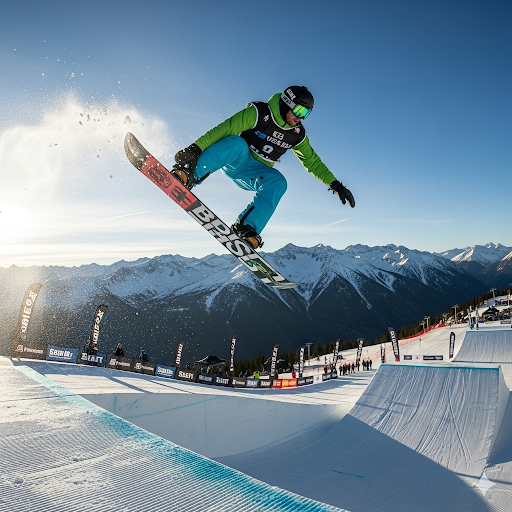
Snowboarding Big Air is one of the most exciting events in winter sports. Riders launch themselves off massive jumps, performing spins, flips, and grabs that thrill fans. The sport combines creativity, courage, and athleticism. Snowboarding Big Air has grown from an underground scene to a global spectacle with professional leagues, youth competitions, and Olympic recognition. In this article, we will explore its history, worldwide popularity, amateur development, professional structure, social and political significance, and official rules.
The Origin and History of Snowboarding Big Air
Snowboarding began in the 1960s when pioneers like Sherman Poppen experimented with surfboard-style riding on snow. Poppen invented the “Snurfer,” which became a foundation for modern snowboards. Through the 1970s and 1980s, snowboarding developed rapidly, fueled by surf and skate culture. Riders experimented with tricks, rails, and halfpipes.
As snowboarding evolved, the urge to go bigger naturally followed. In the late 1980s, snowboarders began building massive jumps at ski resorts and backcountry spots. They launched into the air, pushing the boundaries of height and style. This style became known as “Big Air.” The earliest competitions were grassroots events held at local resorts. Riders like Terje Håkonsen and Peter Line helped popularize massive tricks and creative styles.
By the 1990s, snowboarding had exploded worldwide. Big Air contests appeared at major snowboarding festivals such as Air & Style in Innsbruck, Austria. The event became legendary, attracting the best riders and massive crowds. Soon after, Big Air spread to North America, Japan, and beyond. The introduction of Snowboarding Big Air into the Winter X Games further solidified its status.
The International Ski Federation (FIS) recognized Big Air as a competition discipline, and eventually, the International Olympic Committee added it to the Winter Olympics. Snowboarding Big Air made its Olympic debut at the 2018 PyeongChang Winter Games. This historic moment elevated the sport into the mainstream, showcasing its daring performances on the world’s biggest stage.
Global Popularity of Snowboarding Big Air
Snowboarding Big Air has captured the imagination of fans around the world. The sport appeals to those who love speed, creativity, and risk-taking. Its popularity surged after inclusion in the X Games during the late 1990s. Millions of viewers tuned in to watch snowboarders push human limits.
Today, Big Air competitions draw huge crowds in Europe, North America, and Asia. Events such as Air & Style, Burton US Open, and X Games Aspen highlight the sport’s global reach. Europe, especially Austria, Switzerland, and Norway, remains a hotbed of talent. Resorts in the Alps host many of the most iconic competitions.
In North America, the United States and Canada dominate with both athletes and venues. Colorado, Utah, and British Columbia provide world-class training grounds. The popularity of Snowboarding Big Air in Japan has also exploded. Japanese snowboarders are now among the world’s elite, and competitions attract passionate fans.
The Winter Olympics created even more visibility. Since 2018, the event has consistently been one of the most-watched snowboarding disciplines. Social media has further boosted its global impact. Videos of incredible Big Air tricks regularly go viral, inspiring new generations of riders worldwide.
Amateur Snowboarding Big Air Development
While professionals dominate the spotlight, amateur riders form the backbone of the sport. Across the world, youth programs and schools nurture talent at the grassroots level. Ski resorts build terrain parks and Big Air jumps for beginners and intermediates. This allows young riders to safely progress.
In the United States, snowboarding camps like Woodward and High Cascade provide specialized training. These camps teach kids how to handle jumps, progress tricks, and compete. High schools in snow-heavy states sometimes support snowboarding teams. Local competitions allow amateur riders to gain experience and exposure.
Europe has a strong amateur structure as well. Countries such as Switzerland, Austria, and Norway invest heavily in youth snowboarding. Many ski resorts host junior Big Air competitions where kids learn to perform in front of crowds. National snowboarding federations often sponsor development programs, preparing athletes for international competition.
In Japan, youth snowboarding culture thrives. Many Japanese resorts have youth programs designed to encourage early involvement. Riders progress from small jumps to larger features as their skills grow. Japan’s structured approach has produced Olympic-level athletes who began in these local programs.
Amateur Big Air also thrives in Canada. With snowboarding woven into Canadian winter culture, schools and youth organizations promote participation. The emphasis is on safe progression, which ensures long-term skill development.
Social media has given amateur riders new ways to showcase their skills. Platforms like Instagram and TikTok allow young snowboarders to post their tricks, gaining recognition and sometimes sponsorships. As a result, amateur Big Air riding has never been more visible.
Professional Leagues and Competitions
Professional Snowboarding Big Air has a thriving competitive circuit. Athletes travel globally to compete in prestigious events. The competition calendar includes X Games, Air & Style, World Snowboarding Tour events, FIS World Cup competitions, and the Winter Olympics.
X Games
The Winter X Games remains one of the most iconic stages for Big Air. Held annually in Aspen, Colorado, it attracts the best riders and huge media coverage. X Games Big Air events showcase groundbreaking tricks, such as quadruple corks, that redefine possibilities.
Air & Style
Air & Style, founded in Innsbruck in 1994, is another legendary Big Air competition. It combines live music with world-class snowboarding, drawing tens of thousands of spectators. The tour has expanded to cities like Beijing and Los Angeles, highlighting global appeal.
FIS World Cup
The International Ski Federation organizes the FIS Snowboard World Cup, which includes Big Air competitions worldwide. Riders accumulate points throughout the season, aiming for the overall title. This league provides structure and recognition under the Olympic governing body.
Winter Olympics
Since 2018, Big Air has been part of the Olympic Games. Its inclusion validated the sport’s importance and gave riders a global platform. Olympic medals in Big Air are now among the most coveted prizes in snowboarding.
Burton US Open
Though discontinued in recent years, the Burton US Open was once a premier event for Big Air riders. It contributed greatly to the sport’s culture and professional development.
Together, these competitions form a robust professional circuit. Riders dedicate their lives to training, traveling, and performing. Sponsorships from major brands like Red Bull, Burton, and Nike help fund athletes’ careers.
Social and Political Significance of Snowboarding Big Air
Snowboarding Big Air carries social and political weight beyond the jumps. Socially, the sport symbolizes freedom, creativity, and youth culture. It attracts fans who value individuality and pushing limits. Snowboarding culture emphasizes self-expression, and Big Air embodies that spirit through bold tricks.
Politically, the sport represents how alternative sports can earn legitimacy. For years, snowboarding was banned at many ski resorts. Traditional skiing culture viewed snowboarders as rebels. Over time, persistence and growing popularity forced acceptance. Today, Snowboarding Big Air is part of the Olympic Games, a significant political achievement.
National pride also plays a role. Countries celebrate when their riders succeed on the global stage. Norway, Japan, Canada, and the United States invest heavily in snowboarding development. These investments reflect political priorities in sports funding.
Socially, Big Air influences fashion, music, and lifestyle. Snowboarding culture has shaped streetwear and youth trends worldwide. The sport also promotes inclusivity. While male riders often dominate headlines, women’s Big Air has grown rapidly. Female athletes like Anna Gasser have become household names, inspiring young women globally.
Snowboarding Big Air also intersects with environmental politics. The sport depends on cold weather and snow. Climate change threatens natural snowfall, making sustainability an important topic. Many snowboarding organizations advocate for environmental awareness, pushing for action on climate issues.
Rules of Snowboarding Big Air
Snowboarding Big Air has specific rules that ensure fair competition. Although style and creativity play a role, judging criteria remain structured.
Format
Competitions usually consist of qualification rounds followed by finals. Riders perform a set number of jumps. The best scores count toward their final total. Depending on the event, riders may be judged on one or multiple jumps.
Judging Criteria
Judges score based on several factors:
- Difficulty: The technical challenge of the trick, including rotations and flips.
- Execution: Clean landings, body control, and stability.
- Amplitude: The height and distance achieved off the jump.
- Style: Creativity, individuality, and overall impression.
Scoring
Most events use a 0–100 scale. A rider’s best scores are combined to determine rankings. For example, some formats require riders to land two different tricks, and both scores are added.
Equipment Rules
Riders must use regulation snowboards. Safety gear such as helmets is mandatory in most competitions. Equipment is inspected to ensure compliance.
Safety Regulations
Event organizers follow strict safety standards. Jumps are carefully built, with landing zones designed to minimize injury risks. Medical staff remain on-site during all competitions.
Olympic-Specific Rules
At the Olympics, rules follow FIS guidelines. Riders perform multiple runs, and the best two different tricks count. This system encourages variety and innovation.
Conclusion
Snowboarding Big Air is one of the most thrilling sports on the planet. Its history reflects the rebellious roots of snowboarding, while its rise to the Olympics demonstrates mainstream acceptance. The sport captivates global audiences with breathtaking performances and continues to inspire youth worldwide. From amateur training programs to professional circuits, Big Air offers opportunities for growth and achievement.
Socially, the sport promotes creativity, self-expression, and inclusivity. Politically, it represents progress in recognition of alternative sports. Environmentally, it highlights the need for sustainability in winter sports.
The rules provide structure, but the essence of Big Air remains creativity and courage. Every rider who launches off a jump embodies the spirit of freedom that defines snowboarding.
Snowboarding Big Air is more than a competition. It is a celebration of daring athleticism, cultural influence, and global unity. Its future looks as dynamic as its breathtaking tricks soaring high above snowy slopes.




