
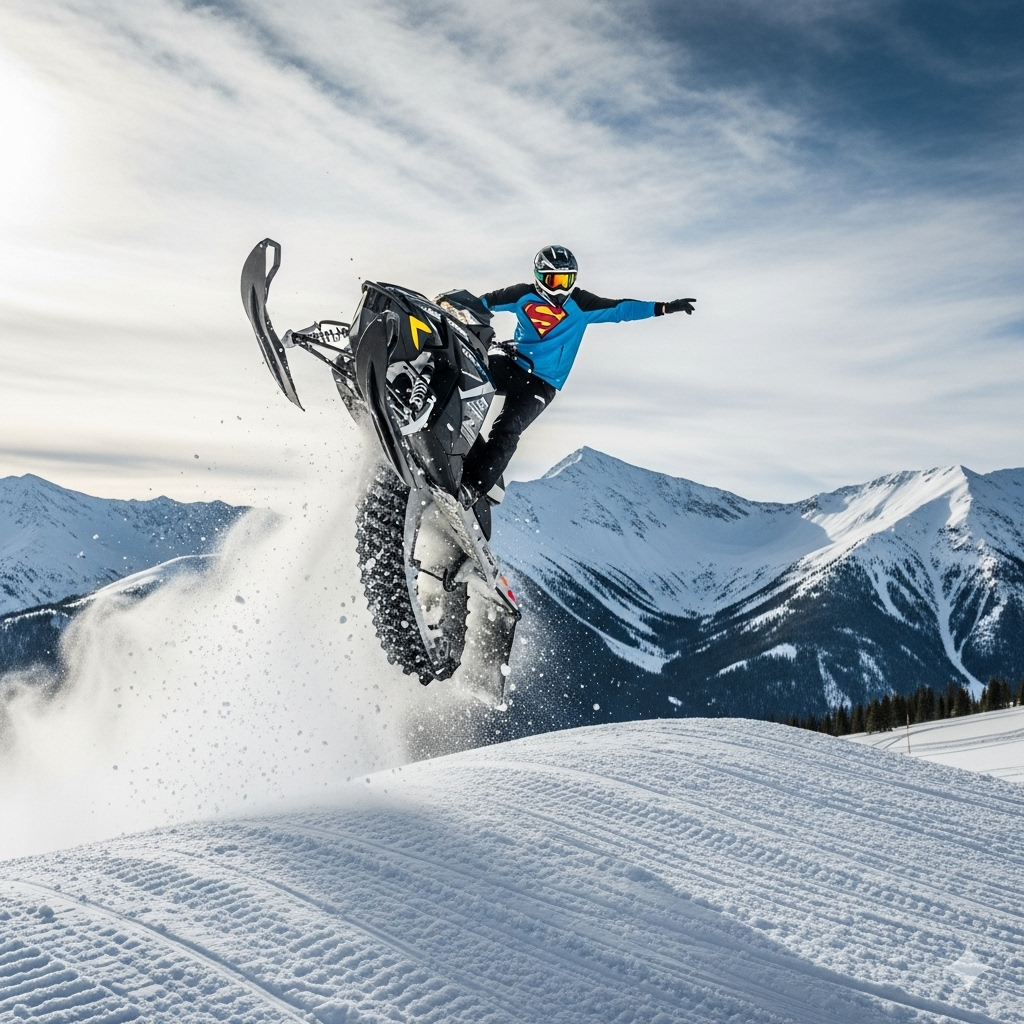
Snowmobile Freestyle: History, Popularity, Leagues, and Rules
Snowmobile Freestyle is one of the most exciting extreme sports in the world today. Athletes launch powerful snowmobiles into the air, twisting, flipping, and pushing limits. The sport combines precision with daring courage, thrilling spectators across icy landscapes. Snowmobile Freestyle showcases creativity, athleticism, and raw power. In this article, we will explore the origin, global popularity, amateur levels, professional leagues, political and social significance, and the rules of the sport.
The Origin and History of Snowmobile Freestyle
The story of Snowmobile Freestyle begins with the invention of the snowmobile itself. Snowmobiles were first developed in the early 1900s. Their purpose was simple: transportation across snowy and frozen landscapes. Early designs came from inventors in Canada and the northern United States. These machines provided a vital tool for people living in harsh winter environments.
By the 1950s and 1960s, recreational snowmobiling gained popularity. People discovered that these machines offered excitement beyond practical use. Families rode together on trails. Enthusiasts formed snowmobile clubs. Competitions started as informal races between friends on frozen lakes and backcountry trails.
The seeds of freestyle grew during the 1980s and 1990s. Riders began experimenting with tricks. They tested the limits of what their machines could do. Small jumps evolved into larger ramps. Creativity pushed riders to explore daring flips and spins.
The sport gained massive attention in 2001 when Snowmobile Freestyle made its debut at the Winter X Games. That moment transformed the sport. Millions of viewers witnessed snowmobiles soaring high above ramps. Riders like Chris Burandt and Levi LaVallee became household names. Their performances inspired new generations.
Since then, the sport has continued to evolve. Advances in snowmobile engineering have created lighter, more powerful machines. Riders have developed more complex tricks. The history of Snowmobile Freestyle reflects a constant pursuit of bigger stunts and greater excitement.
Global Popularity of the Sport
Snowmobile Freestyle thrives in regions where snow and winter dominate the landscape. The sport is especially popular in North America. The United States and Canada host many competitions. States like Minnesota, Wisconsin, and Colorado feature large fan bases. Canadian provinces such as Quebec and British Columbia also support strong followings.
Europe has also embraced the sport. Scandinavian countries like Sweden, Finland, and Norway host freestyle events. These nations have long traditions of snow sports. Their athletes excel at adapting to icy environments. European audiences admire the daring artistry of freestyle performances.
Russia is another hub. Harsh winters provide perfect conditions for training. Russian riders have grown competitive in international events. They bring unique style and strength to the sport.
In Asia, the sport has gained smaller but passionate fan bases. Japan has developed snowmobile communities in its northern regions. Freestyle riders there mix Western influences with local creativity.
Global popularity continues to rise through media exposure. Streaming services and social media allow fans everywhere to watch competitions. Highlight reels of jaw-dropping tricks spread quickly online. The international audience grows year after year.
Tourism also plays a role. Winter resorts now feature freestyle demonstrations. Visitors enjoy live performances while skiing or snowboarding. Resorts in Switzerland, Austria, and the United States often host freestyle showcases. These events draw crowds and increase interest.
Amateur Snowmobile Freestyle
Amateur participation keeps the sport alive and growing. Many riders start at young ages. Families in snowy regions often own snowmobiles for recreation. Children begin with small, scaled-down models. These youth machines allow safe practice while building skills.
Local snowmobile clubs often support youth programs. They provide safe training environments. Riders learn handling, balance, and respect for safety. As they improve, young athletes progress to larger ramps and advanced tricks.
Schools in northern regions occasionally sponsor snowmobile-related programs. While rare, some high schools include winter motorsports in their extracurricular activities. These opportunities encourage students to pursue freestyle at amateur levels.
Amateur competitions occur across the snowbelt regions. Local events allow young riders to showcase talent. Small town festivals often feature snowmobile shows. Riders perform jumps and simple tricks to entertain crowds.
Amateur freestyle emphasizes fun and development rather than pressure. Riders experiment with style. They learn how to combine creativity with discipline. Many professional athletes began their journeys this way.
Youth-focused organizations play a vital role. They teach the importance of helmets, protective gear, and machine maintenance. These lessons reduce accidents and encourage responsible riding. Parents often get involved, fostering family participation in the sport.
Amateur Snowmobile Freestyle continues to expand. Social media offers a platform for young riders to share tricks. Videos of kids performing small jumps inspire others. The amateur scene forms the foundation for professional growth.
Professional Leagues and Competitions
Professional Snowmobile Freestyle takes the sport to its highest levels. The Winter X Games remain the most prestigious stage. Held in Aspen, Colorado, this event brings together the world’s best riders. Athletes compete for medals, sponsorships, and global recognition.
In addition to the X Games, the International Series of Champions (ISOC) includes freestyle exhibitions. ISOC primarily organizes snowcross races but incorporates freestyle performances. These shows attract large winter crowds.
Europe has its own set of competitions. Scandinavian countries host freestyle events during winter sports festivals. Riders perform in front of enthusiastic crowds. Events in Sweden and Finland often attract international competitors.
Red Bull has become a major sponsor of extreme sports, including snowmobile freestyle. Their branded events showcase cutting-edge tricks. These competitions blend entertainment with sport. They often include live music and festival atmospheres.
Professional leagues emphasize innovation. Riders constantly push boundaries. Judges reward creativity, execution, height, and landing stability. Mistakes can cost valuable points. Successful athletes train year-round, often practicing on modified ramps during the summer.
The professional scene has also attracted significant sponsorships. Snowmobile manufacturers support top athletes. Gear companies and energy drink brands invest heavily. Sponsorship allows riders to train, travel, and compete at elite levels.
Professional leagues inspire younger riders. Watching icons like Levi LaVallee perform double backflips motivates amateurs to dream big. The professional circuit creates role models and expands global awareness.
Political and Social Significance
Snowmobile Freestyle carries political and social significance beyond entertainment. In northern regions, snowmobiles are tied to culture and lifestyle. Communities rely on snowmobiles for transportation, hunting, and recreation. Freestyle events highlight this connection. They celebrate regional traditions while showcasing modern creativity.
Politically, the sport intersects with environmental debates. Snowmobiles consume fuel and produce emissions. Environmental groups sometimes challenge the growth of freestyle events. They raise concerns about noise, wildlife disturbance, and ecological impact.
In response, manufacturers and athletes work toward innovation. Cleaner engines and eco-friendly practices are promoted. Events often include sustainability campaigns. These efforts reflect the sport’s responsibility to balance excitement with environmental awareness.
Socially, Snowmobile Freestyle brings communities together. Winter festivals featuring freestyle attract thousands of attendees. Families gather to watch thrilling performances. These events strengthen local pride.
The sport also creates opportunities for rural economies. Resorts, restaurants, and small businesses benefit from tourism. Large competitions bring revenue to towns that host them. Economic significance adds to the sport’s social role.
Representation matters as well. Snowmobile Freestyle once had limited diversity. However, more women and international athletes are entering the scene. Their participation broadens the sport’s reach and inclusivity.
Freestyle has also become a platform for personal expression. Athletes design custom snowmobiles with bold graphics. Their stunts showcase individuality. Fans connect with riders through personality as much as performance.
Rules of Snowmobile Freestyle
Snowmobile Freestyle competitions follow structured rules. Safety is the highest priority. Every rider must wear protective gear. Helmets, body armor, boots, and gloves are mandatory. Machines must meet inspection standards to ensure they are competition-ready.
Events are judged on several key factors. Difficulty of tricks plays a major role. Complex flips, spins, and combinations earn higher scores. Execution is equally important. Riders must land cleanly and maintain control.
Style adds another layer. Judges reward originality and creativity. A rider who invents new tricks gains recognition. Flow between tricks also matters. Smooth transitions from ramp to ramp impress judges.
Height and distance are evaluated. Bigger jumps often score higher. However, poor landings reduce points. Risk-taking is encouraged but must be balanced with control.
Competitions typically include timed runs. Each rider has a set amount of time, often 90 seconds. During this period, they perform as many tricks as possible. Judges score the entire run based on overall impression.
Penalties apply for crashes or incomplete tricks. Falling during a landing results in point deductions. Failing to attempt enough tricks can also lower scores.
Another key rule involves ramp construction. Official competitions use standardized ramps for fairness. Riders must adapt to the provided setup. This levels the playing field and ensures equal opportunity.
Snowmobile modifications must remain within regulations. Engine size, weight, and frame design are monitored. Illegal modifications can result in disqualification.
Audience safety is critical. Barriers keep fans at safe distances. Organizers enforce strict zones where spectators cannot enter. Medical staff remain on site during all competitions.
Conclusion
Snowmobile Freestyle has grown from humble beginnings into a global spectacle. The sport’s history reflects human creativity, daring spirit, and passion for winter adventure. Its worldwide popularity spans North America, Europe, Asia, and beyond. Amateur riders keep the future bright, while professional leagues showcase elite talent.
The sport’s political and social significance cannot be ignored. It connects communities, fuels local economies, and sparks debates on environmental responsibility. Rules ensure fairness, safety, and excitement.
From frozen lakes to massive X Games stages, Snowmobile Freestyle continues to thrill audiences. Riders chase bigger tricks, higher jumps, and unforgettable moments. The future of this sport promises even greater innovation and excitement.