
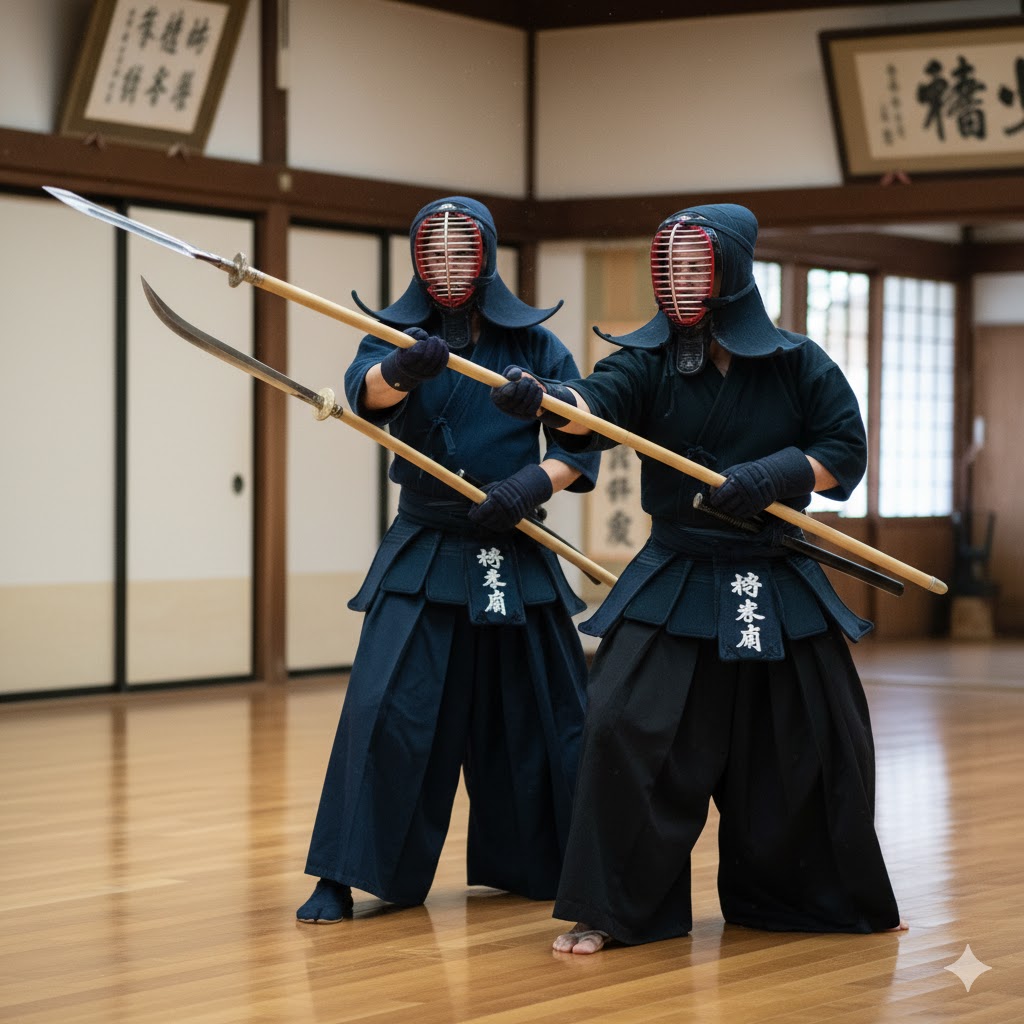
The Art and Sport of Sojutsu: A Deep Dive into the Way of the Spear
Sojutsu, the ancient Japanese art of spear fighting, holds a significant place in martial history and modern sport. Practiced for centuries by samurai and soldiers, it evolved from a battlefield technique into a respected discipline and competitive sport. Today, Sojutsu stands as both a symbol of Japan’s martial heritage and a global practice promoting discipline, precision, and respect. This post explores the origins, global growth, amateur and professional aspects, social and political influence, and the rules that define Sojutsu.
Origin and History of Sojutsu
The roots of Sojutsu trace back to Japan’s feudal era, long before the rise of the samurai as a dominant warrior class. Initially, spears were tools of war used by foot soldiers. Over time, these weapons evolved into refined instruments of martial artistry. During the Nara and Heian periods (710–1185), Japan’s military began incorporating Chinese spear techniques, adapting them into a unique Japanese style.
By the Kamakura period (1185–1333), the spear had surpassed the bow and sword as the weapon of choice for soldiers. Sojutsu became a distinct discipline within the martial training of the samurai. It emphasized not only combat efficiency but also spiritual development, balance, and timing. The art demanded grace under pressure and unity between body and weapon.
Several renowned schools, or ryu, emerged, each developing unique techniques and philosophies. Among them, Hozoin-ryu and Owari Kan-ryu became the most influential. Hozoin-ryu, founded by Hozoin Kakuzenbo Inei in the 16th century, introduced the cross-shaped spearhead (jumonji yari), allowing for advanced thrusts and sweeps. These schools preserved their traditions through generations, passing down not only combat techniques but also moral and philosophical lessons.
The decline of the samurai era during the Meiji Restoration (1868) shifted Sojutsu from battlefield application to martial preservation. While firearms made traditional weapons obsolete, Sojutsu survived as a cultural practice. Practitioners began emphasizing discipline, mental clarity, and cultural continuity rather than warfare. Today, the art endures as a traditional martial sport, blending ancient technique with modern training principles.
Global Popularity and Modern Expansion
Although deeply rooted in Japan, Sojutsu has spread beyond its homeland. Martial arts enthusiasts worldwide have embraced it as part of their study of Japanese culture. Countries such as the United States, France, Australia, and Brazil host dedicated schools and dojos focusing on Sojutsu. Many practitioners discover it through related arts like Kendo, Aikido, or Iaido and transition into spear training to deepen their understanding of distance and weapon control.
International martial arts organizations now include Sojutsu demonstrations in tournaments and exhibitions. These events attract large audiences who appreciate its beauty and precision. In some regions, modern adaptations have incorporated padded spears and protective armor to make practice safer. This evolution has helped the sport appeal to younger generations while preserving its authenticity.
Cultural festivals across Japan often feature Sojutsu demonstrations, highlighting its importance as a living tradition. Audiences witness both solo forms (kata) and paired sparring, showcasing coordination and mastery. Outside Japan, dojos affiliated with traditional ryu maintain close ties to their Japanese counterparts, ensuring authenticity. This global network of practitioners keeps Sojutsu alive as both art and sport, bridging cultural divides and fostering international respect for Japanese heritage.
Amateur Sojutsu and Youth Participation
Amateur Sojutsu thrives in dojos, universities, and martial arts clubs worldwide. Training emphasizes fundamentals: stance, footwork, grip, and timing. Beginners start with wooden spears called yari-bo, allowing them to learn form safely. Once students demonstrate control, they progress to practicing with partners.
Youth programs introduce children to Sojutsu as a means of building confidence and discipline. Many schools in Japan include martial arts in their curriculum, exposing students to traditional weapons training. While Kendo and Judo dominate these programs, some institutions integrate spear techniques to honor classical martial traditions.
University martial clubs often organize regional tournaments and inter-school exhibitions. These events encourage sportsmanship and cultural exchange. Outside Japan, dojos in North America and Europe mirror these practices. Instructors often teach Sojutsu alongside Kenjutsu or Naginata-do, helping students understand how different weapons interact in combat scenarios.
Amateur leagues emphasize mastery of fundamentals rather than competition. Rank advancement comes through testing skill, control, and understanding of the art’s philosophy. Practitioners learn that Sojutsu is not about aggression but balance—controlling both the weapon and one’s emotions. This approach ensures the art retains its spiritual depth even in a modern sporting context.
Professional Leagues and Organized Competition
Professional Sojutsu is less commercialized than mainstream martial sports, yet several organizations work to standardize competitive formats. The All Japan Kobudo Federation recognizes Sojutsu as part of its cultural martial disciplines. Periodic tournaments held in Japan feature both traditional demonstrations and sparring matches under strict safety guidelines.
Competitions typically evaluate practitioners on precision, technique, and control rather than brute strength. Points are awarded for clean strikes, proper form, and defensive skill. Modern protective armor allows controlled contact while preventing injury. Matches may last three to five minutes, emphasizing quick reflexes and tactical awareness.
Outside Japan, Sojutsu federations in Europe and North America hold exhibitions and regional contests. While still small in scale, these events have gained loyal followings among martial arts enthusiasts. Organizations such as the European Budo Federation and various independent martial arts associations sponsor Sojutsu divisions in multi-discipline tournaments.
Professional instructors, many with direct lineage to traditional ryu, travel internationally to host seminars. These events attract participants seeking authentic training. The professionalism surrounding Sojutsu continues to grow, as do collaborations with universities and cultural exchange programs. Though not as mainstream as Kendo or Karate, Sojutsu maintains a dedicated community driven by respect for its roots.
Social and Political Significance of Sojutsu
Sojutsu carries deep social and political meaning within Japanese culture. Historically, it symbolized loyalty, honor, and discipline—qualities essential to the samurai code known as Bushido. The spear represented both protection and authority. Commanders who mastered Sojutsu were admired for their leadership and valor.
In modern Japan, Sojutsu remains a link to cultural identity. It connects people to their past while promoting values such as respect, perseverance, and self-control. Many practitioners view the art as a form of mindfulness, teaching focus through repetitive practice. It reminds participants that mastery is a lifelong journey rather than a destination.
Socially, Sojutsu fosters community and cross-generational learning. Elder masters share their wisdom with younger students, creating a lineage that honors history while adapting to the future. The art’s emphasis on etiquette teaches humility and cooperation—traits valuable in both martial and social contexts.
Politically, the preservation of traditional martial arts, including Sojutsu, reflects Japan’s effort to protect its cultural heritage. Government and cultural organizations support martial demonstrations at festivals and international events. These activities strengthen Japan’s global image as a nation that respects its traditions while engaging with the world.
Internationally, Sojutsu contributes to cultural diplomacy. It promotes understanding between nations through shared practice and appreciation. Practitioners often describe the art as a “conversation through movement,” where mutual respect transcends language and borders. This cultural bridge continues to influence global martial arts communities and strengthen ties between Japan and the world.
Rules and Structure of Sojutsu
The rules of Sojutsu vary slightly depending on the school or organization, but core principles remain consistent. Matches begin with formal bows to demonstrate respect. Each competitor holds a spear typically between six and nine feet long, depending on the style. The weapon is wielded using thrusts, sweeps, and deflections rather than heavy strikes.
In competitive Sojutsu, points are scored for accurate, controlled thrusts to designated target areas. Common targets include the torso, throat, and lower abdomen. Strikes must display both precision and intent, not reckless force. Excessive aggression or lack of control can result in penalties or disqualification.
Protective armor covers the head, chest, and arms. Judges observe from multiple angles to ensure fairness. Competitors must maintain balance and correct stance at all times. Footwork plays a critical role, allowing practitioners to control distance and timing. A successful competitor must demonstrate calmness and awareness throughout the match.
In addition to sparring, participants often perform kata, or prearranged forms. These sequences simulate combat scenarios and showcase mastery of technique. Judges evaluate rhythm, precision, and expression of intent. The combination of kata and sparring ensures that both artistic and practical aspects of Sojutsu are preserved.
Training follows a structured progression. Beginners start with basic movements before learning combinations and advanced applications. Higher-ranking practitioners study disarming techniques and counters. Each stage reinforces control, respect, and efficiency. Safety is paramount; instructors emphasize discipline over competition.
Philosophy Behind the Practice
Beyond the physical techniques, Sojutsu embodies a deep philosophical foundation. Practitioners strive for harmony between body, weapon, and spirit. The spear becomes an extension of the self, demanding mental clarity and composure. Through repetition and refinement, students learn patience and humility.
This philosophy aligns with Bushido, emphasizing honor, integrity, and compassion. Sojutsu teaches practitioners to face challenges with calm determination. In every movement, there is mindfulness—an awareness of the present moment. This meditative aspect attracts modern students seeking balance in fast-paced lives.
Many dojos encourage reflection after training, allowing practitioners to internalize lessons. The goal is not to defeat others but to improve oneself. This mindset transforms Sojutsu into more than sport—it becomes a way of life. The discipline it cultivates extends beyond the dojo, influencing how practitioners approach work, relationships, and personal growth.
Sojutsu in Modern Media and Culture
Modern media has contributed to renewed interest in Sojutsu. Historical dramas, films, and anime often portray samurai wielding spears with elegance and skill. These representations inspire younger audiences to explore the art’s real-world practice. Museums and cultural centers frequently feature Sojutsu exhibits, highlighting its role in Japanese military evolution.
Video games and virtual training tools now incorporate spear-fighting simulations, bringing the essence of Sojutsu into the digital age. These innovations introduce new audiences to the discipline while preserving traditional knowledge. The balance between technology and tradition ensures the art continues to evolve while maintaining authenticity.
Global Impact and Future of Sojutsu
The future of Sojutsu appears promising as more people worldwide seek traditional martial arts for mental and physical development. International seminars and online instruction make training accessible to distant learners. Cultural exchange programs encourage cooperation between dojos in Japan and abroad.
As interest grows, governing bodies work to create standardized competition rules and certification systems. This organization helps maintain quality instruction and ensures the art’s integrity. Modern practitioners often combine Sojutsu training with meditation, fitness, and historical study, making it a holistic discipline.
The art’s global appeal lies in its blend of beauty and practicality. Practicing Sojutsu teaches patience, focus, and balance—qualities universally admired. Its continued expansion reflects humanity’s respect for tradition and desire for personal mastery. Whether studied for competition, culture, or self-improvement, Sojutsu remains a timeless path.
Conclusion
Sojutsu stands as more than an ancient martial art; it is a bridge between past and present, East and West, tradition and sport. From its battlefield origins to its modern revival, the discipline continues to inspire practitioners worldwide. Through dedication, respect, and skill, it teaches lessons that reach beyond combat—lessons about life, balance, and humanity itself.
As long as people value discipline, honor, and the pursuit of mastery, Sojutsu will endure. It will continue to thrive as both a sport and a way of life, preserving the spirit of the samurai while connecting cultures through the universal language of movement and respect.