
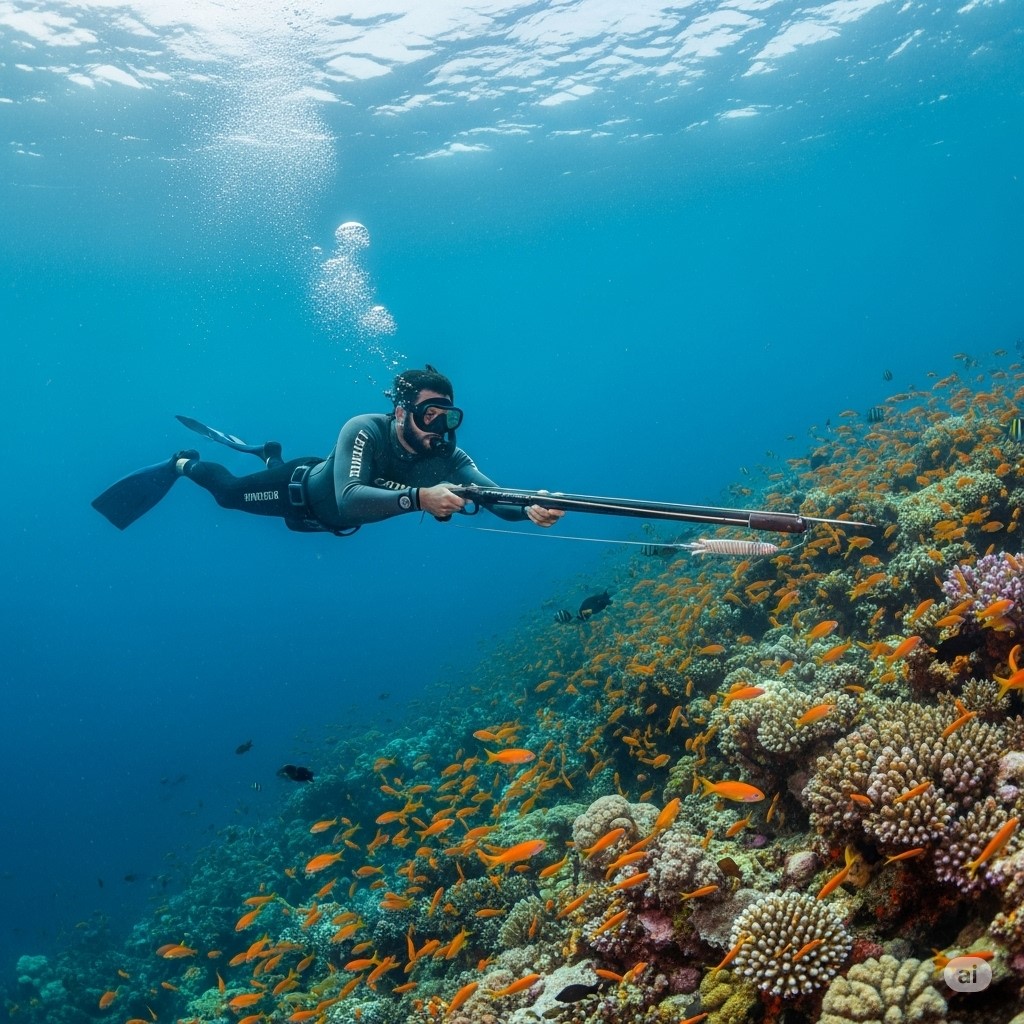
The Ultimate Guide to the Sport of Spearfishing
Spearfishing is one of the oldest forms of hunting practiced by humans. This underwater sport combines diving, patience, and precision. Across the world, it is enjoyed recreationally and competitively. Whether on coastal shores or in the deep sea, spearfishing has evolved dramatically over time. The sport remains rooted in tradition, yet it continues to grow with modern techniques and technology.
Spearfishing offers more than just physical challenge. It promotes sustainability and respect for the ocean. In this article, we will explore the history, popularity, amateur participation, professional leagues, rules, and cultural significance of this captivating sport.
Origin and History of Spearfishing
The history of spearfishing dates back thousands of years. Ancient civilizations used sharpened sticks and rudimentary spears to hunt fish in shallow waters. Evidence from archaeological sites suggests early humans practiced spearfishing in Africa, Asia, and Europe.
Greek historian Polybius described sponge divers who also speared fish. Indigenous Polynesian and Pacific Islander cultures mastered the art using wooden spears and later, metal tips. In Japan, the Ama divers have used hand spears to harvest seafood for over 2,000 years.
By the 20th century, the sport began to modernize. In the 1930s, Italian and French divers popularized freediving-based spearfishing. The invention of the speargun and improved diving masks transformed the sport. These innovations allowed deeper, safer, and more accurate fishing.
Today, spearfishing has become a blend of tradition and technology. Modern athletes use carbon-fiber spearguns, wetsuits, and advanced fins. Despite these tools, the core skills of hunting, breathing control, and stealth remain unchanged.
Popularity of Spearfishing Globally
Spearfishing enjoys popularity across five continents. Coastal countries naturally embrace the sport. Nations with abundant marine ecosystems are hubs of spearfishing activity.
In Europe, countries like Italy, Greece, Spain, and France have vibrant communities. The Mediterranean Sea offers ideal conditions for both amateur and professional divers.
Australia and New Zealand lead in the Pacific region. Clear waters and diverse marine life attract thousands of enthusiasts each year. Southeast Asian countries like Indonesia and the Philippines are also popular spearfishing destinations.
In the Americas, the United States, especially Florida, California, and Hawaii, boasts strong spearfishing cultures. Mexico, Brazil, and Chile also have growing interest.
Africa sees participation in countries like South Africa, Egypt, and Mozambique. Spearfishing competitions and clubs are increasing in popularity there.
The sport is especially strong in island nations. Communities in Fiji, Tahiti, and the Bahamas have passed down traditional methods through generations.
Global competitions further fuel its growth. Social media and YouTube have made the sport more visible, inspiring new divers worldwide.
Amateur Spearfishing and Youth Participation
Amateur spearfishing begins with snorkeling and basic diving. Enthusiasts often start by hunting small fish in shallow reefs. Local clubs and online communities provide guidance and support.
Training includes breath-holding techniques, safety protocols, and fish identification. Beginners are taught to respect marine environments. They learn the importance of targeting only legal and sustainable species.
Youth involvement is growing rapidly. In many countries, youth diving programs include spearfishing as a skill. These programs teach ocean awareness and responsibility.
In Hawaii, kids learn spearfishing alongside cultural values and marine stewardship. Australian schools offer extracurricular marine courses, which include spearfishing elements. Similarly, European dive clubs welcome young members with proper supervision.
Online resources make learning more accessible. YouTube tutorials, forums, and apps allow amateurs to improve skills quickly. This digital exposure has democratized the sport.
Competitions for amateurs also exist. Local tournaments encourage participation and foster community. These events emphasize fun, learning, and environmental respect.
Professional Spearfishing Leagues and Competitions
Professional spearfishing is well-established in several countries. International organizations oversee competitions and standardize rules. The Confederation Mondiale des Activites Subaquatiques (CMAS) is the main governing body.
The CMAS Spearfishing World Championship is the premier event. Athletes from around the world compete in various categories. Points are awarded based on species, weight, and adherence to rules.
Countries like Italy, Spain, Greece, and Croatia have strong professional teams. These nations regularly dominate international events. Training includes rigorous physical conditioning, diet control, and mental focus.
National leagues also exist. Spain has the Campeonato de España de Pesca Submarina. Italy organizes several regional and national competitions. These events are often televised and attract sponsors.
Professional spearfishers must follow strict regulations. They work closely with marine biologists to ensure sustainability. Many pros advocate for ocean conservation and ethical hunting.
Despite its challenges, professional spearfishing is a respected sport. Athletes gain recognition not just for skill, but also for ecological responsibility.
Political and Social Significance of Spearfishing
Spearfishing is more than sport; it carries deep cultural and political meaning. In many indigenous societies, it is a rite of passage. Young people learn patience, respect, and survival through fishing.
Culturally, it fosters identity and connection to the ocean. In Hawaii, spearfishing is intertwined with legends, songs, and traditions. Pacific Islanders view it as a sacred practice.
Politically, the sport influences environmental policy. Spearfishers often advocate for marine protection zones. They support bans on destructive fishing methods like trawling.
Organizations like the Blue Water Hunters Alliance lobby for conservation. Their members promote catch limits and habitat preservation. Many spear fishers are deeply involved in local marine policy discussions.
In coastal communities, spearfishing provides economic support. It contributes to ecotourism, guiding services, and seafood markets. This economic impact makes it a topic in regional development plans.
Socially, it promotes community bonding. Clubs, tournaments, and group dives build camaraderie. The shared experiences underwater create lasting relationships.
Furthermore, it encourages mental wellness. The sport requires focus, calmness, and breath control. Many divers describe it as meditative.
Rules and Techniques of Spearfishing
Spearfishing follows a set of standardized rules to ensure safety and sustainability. These rules vary slightly by country, but core principles remain the same.
First, only specific fish species can be targeted. Regulations protect endangered or overfished species. Divers must know local marine laws and seasonal restrictions.
Second, the use of scuba gear is often banned in competitions. This rule ensures fair play and reduces stress on marine life. Most spearfishing is done while freediving.
Third, divers must mark their location. A floating buoy with a flag signals presence to boats. This rule prevents accidents and promotes safety.
Fourth, each diver must carry a stringer for caught fish. The fish are kept on the stringer to avoid waste and maintain organization.
Additionally, ethical conduct is emphasized. Divers must avoid wasteful practices. Injured but uncaught fish should be tracked to minimize suffering.
Techniques vary depending on environment and target species. In reef spearfishing, stealth and patience are key. Divers hide behind rocks and wait for fish to approach.
In open water or “bluewater” hunting, the challenge increases. Divers use flasher devices to attract pelagic fish like tuna and wahoo. Deep breath-holds and fast swimming are essential.
Shore diving is accessible to beginners. Boat diving allows access to deeper or more remote areas. Both methods require careful planning and teamwork.
Choosing the right equipment is crucial. A basic setup includes a speargun or polespear, wetsuit, mask, snorkel, fins, and weight belt. Experienced divers customize gear based on conditions.
Training is ongoing. Even seasoned divers continuously refine techniques. Workshops and courses help maintain high skill levels.
Conclusion
Spearfishing is an ancient yet ever-evolving sport. It combines athleticism, mindfulness, and deep respect for nature. From its historical roots to its modern-day global presence, spearfishing captivates millions.
Amateurs and professionals alike find purpose and challenge in the sport. Through competitions, education, and advocacy, the spearfishing community supports ocean health and cultural heritage.
As environmental awareness grows, the sport’s relevance increases. Spearfishing represents not only physical prowess but also environmental stewardship and cultural pride. For anyone drawn to the sea, it offers a unique and fulfilling path.