
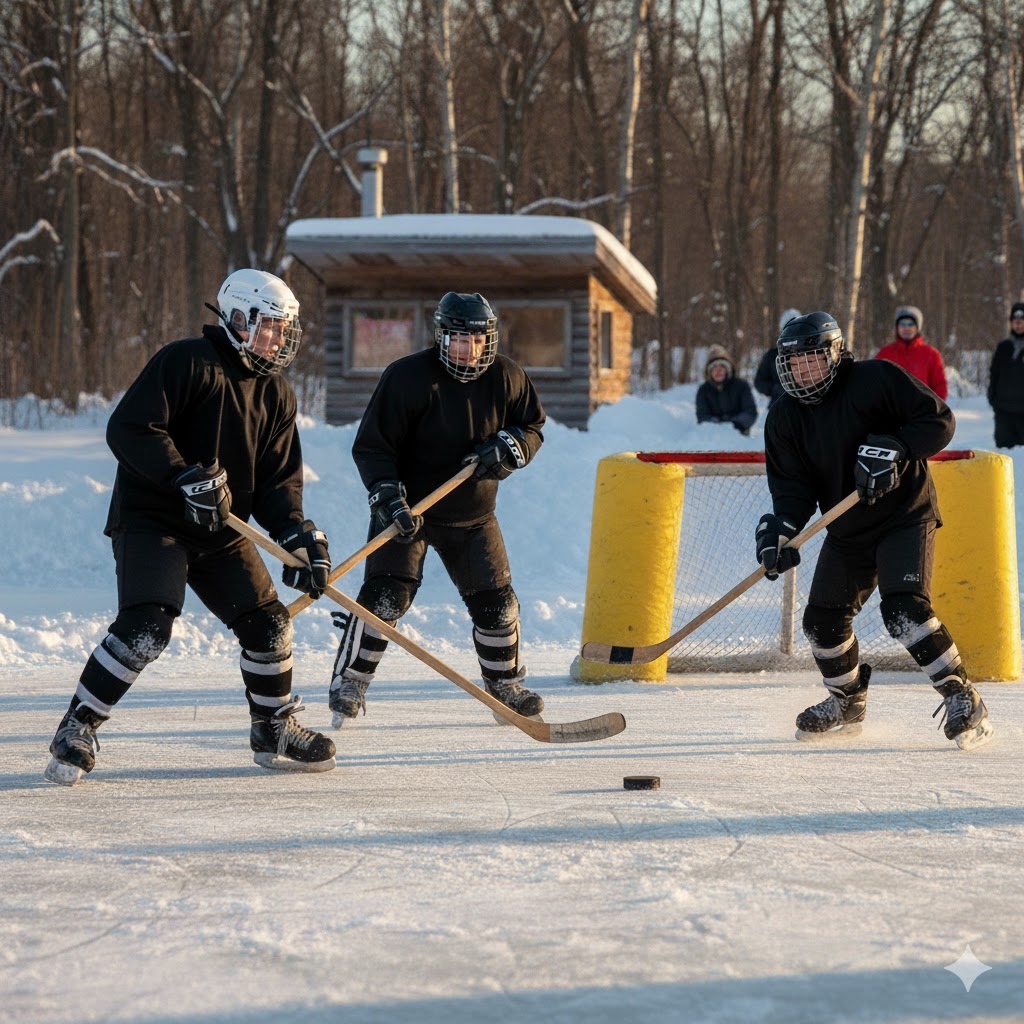
Spongee is one of the most fascinating winter sports to emerge from Canada’s frozen landscapes. Combining the excitement of hockey with a unique twist, Spongee has captured the hearts of players who crave outdoor action without the bruises of traditional ice hockey. Its mix of teamwork, skill, and community spirit makes it a sport unlike any other. In this comprehensive guide, we will explore the origin and history of Spongee, its global reach, the way amateur and youth levels are structured, the professional leagues that sustain its growth, its political and social significance, and finally, the detailed rules that define this energetic game.
The Origin and History of Spongee
The sport of Spongee traces its roots back to Winnipeg, Manitoba, in the late 1970s. Winters in the Canadian prairies were long, cold, and filled with outdoor activities. Hockey dominated the scene, but not everyone could afford the expensive equipment or manage the physical toll of the game. In that environment, a group of recreational players sought a new way to enjoy the sport they loved—one that was affordable, fun, and accessible.
They replaced hard hockey pucks with softer sponge pucks and swapped skates for rubber-soled boots. The new version of the game allowed people to play safely on frozen rinks without worrying about injuries or the high costs of gear. It quickly became known as “Spongee,” short for “sponge hockey.”
By the early 1980s, organized leagues started forming across Winnipeg. These leagues attracted hundreds of players, from blue-collar workers to students and weekend enthusiasts. The sport’s simplicity made it appealing to everyone. Unlike hockey, players didn’t need to invest in skates, and injuries were less severe due to the soft puck and slower pace.
As the years passed, Spongee developed a strong identity of its own. It wasn’t merely a version of hockey; it became a distinct sport with its own rules, strategies, and community culture. The outdoor rinks of Manitoba became the heart of Spongee, and it remains one of the few sports truly born from the frozen streets of Canada.
The Growth and Popularity of Spongee Worldwide
Although Spongee began in Winnipeg, its popularity didn’t stay there for long. Word spread quickly through neighboring provinces. Cities like Regina, Saskatoon, and Edmonton saw their own versions of the game taking shape. Each region added slight variations, but the core of Spongee—boots, sponge puck, and winter fun—remained the same.
The appeal of Spongee lay in its inclusivity. Players of all ages, skill levels, and physical conditions could participate. The absence of body checking and heavy equipment made it ideal for mixed-gender teams. Community centers, local parks, and schoolyards turned into makeshift Spongee rinks every winter.
By the 1990s, Spongee had made its way into the northern United States. States like Minnesota and North Dakota, which shared Canada’s cold winters and love for ice sports, began to adopt it. Local tournaments became community events, often paired with winter festivals.
Today, while Spongee remains strongest in Canada, it has gained small but passionate followings in parts of Scandinavia and Eastern Europe. Countries like Finland and Sweden, where outdoor winter sports thrive, have experimented with the game. It fits perfectly with their outdoor lifestyle, combining physical activity and social bonding.
Amateur Spongee: Community and Youth Development
Amateur Spongee forms the backbone of the sport. Local leagues are where the magic happens—players show up after work, on weekends, and during holidays. The spirit of camaraderie defines the game at this level.
Most amateur Spongee leagues follow seasonal schedules during the coldest months, from November through March. Games are played on outdoor rinks, often under floodlights, with snowbanks serving as natural barriers. Teams typically consist of five players on the ice at a time, plus a goaltender.
Youth involvement in Spongee has grown significantly over the past two decades. Schools in Manitoba and Saskatchewan now include Spongee-style games in their winter physical education programs. Kids enjoy it because it’s fun and easy to learn. Parents appreciate it because it’s safer than hockey and far less expensive.
Community recreation centers often host “Learn to Play Spongee” events for children aged 6 to 12. These programs focus on basic passing, teamwork, and coordination rather than competition. Many youth players later transition to adult leagues, helping sustain the sport’s continuity across generations.
For adults, amateur Spongee remains an accessible social outlet. Teams often consist of coworkers, friends, or family members. The game encourages laughter and sportsmanship rather than aggression. It’s common for teams to share post-game meals or beverages, continuing the spirit of fellowship off the ice.
Professional Spongee Leagues and Organized Competitions
While Spongee has a grassroots spirit, professional organization has grown steadily since the 2000s. Winnipeg still leads the way, hosting the largest and most competitive leagues. The Winnipeg Sponge Hockey Association (WSHA) stands as one of the most recognized governing bodies in the sport. It manages multiple divisions, from recreational to elite levels.
In professional Spongee leagues, teams compete for regional championships, culminating in large tournaments each winter. These events attract hundreds of spectators, media attention, and sponsorships from local businesses. Teams are often well-organized, with custom jerseys, team logos, and social media presence.
Some professional leagues have also introduced indoor Spongee tournaments. These are played on synthetic ice surfaces or special plastic tiles that mimic the feel of ice while allowing consistent play. Indoor events allow the sport to expand beyond traditional climates and provide year-round opportunities for competition.
Internationally, efforts to create a formal Spongee federation have begun. Enthusiasts in Finland, Sweden, and even Japan have collaborated with Canadian organizers to promote the sport globally. Exhibition matches and friendly tournaments between countries are becoming more common, strengthening Spongee’s presence on the world stage.
Professional Spongee emphasizes strategy and teamwork. Players focus on quick passing, defensive positioning, and puck control rather than brute force. The softer puck and boot traction create a slower but highly tactical pace, which appeals to players who appreciate finesse over aggression.
The Rules of Spongee
Understanding the rules of Spongee reveals why it’s so popular. The sport combines the structure of hockey with its own creative modifications to suit the boot-based format.
Each team has six players: a goaltender and five skaters. Games typically consist of two or three 15-minute periods, depending on the league. The playing surface is an outdoor or indoor ice rink with standard hockey markings.
Players wear rubber-soled boots instead of skates. This difference dramatically affects gameplay. Movement depends on running and sliding rather than gliding. Quick turns and sudden stops are part of the strategy. Because players don’t use blades, collisions are gentler, and falls are less dangerous.
The puck is made of soft sponge rubber. It’s designed to bounce lightly and move slower than a traditional puck, allowing better control. Players use regular hockey sticks but avoid slap shots, which are prohibited for safety reasons. Only wrist shots and backhand shots are allowed.
Body checking is strictly forbidden. Instead, defensive play relies on stick positioning and intercepting passes. Contact between players should be minimal, and penalties are given for rough play, tripping, or high sticking.
The goaltender wears additional protective gear but still moves in boots rather than skates. Games are fast-paced, with frequent changes and shifts. Most leagues operate with “running time” clocks, meaning the clock only stops for major penalties or goals.
Overtime periods are short, often five minutes, followed by a shootout if necessary. Because Spongee prioritizes fun and community over aggression, penalties are rare and sportsmanship is heavily emphasized.
Spongee’s Global Social and Political Significance
Beyond the ice, Spongee carries deep social and cultural significance. The sport reflects the Canadian values of inclusivity, community, and resilience. It was built by everyday people who wanted to enjoy winter sports without barriers. This working-class origin has made Spongee a symbol of accessibility in athletics.
Socially, Spongee has strengthened communities across Canada. Outdoor rinks serve as meeting places for people of all ages. Neighbors who might never interact during the summer often become teammates in winter. These local connections foster friendship, cooperation, and civic pride.
Many communities organize charity Spongee tournaments to support local causes. These events raise funds for hospitals, food banks, and youth programs. They bring together businesses, schools, and families under one unifying banner—the love of the game. This charitable tradition has become an essential part of Spongee culture.
Politically, Spongee has sometimes been at the center of debates about public recreation funding. Cities like Winnipeg have fought to preserve outdoor rink programs, seeing them as vital community assets. When municipal budgets threaten rink maintenance, local residents rally in defense of their Spongee spaces. The sport, in this sense, has become a grassroots political tool for community empowerment.
Spongee also promotes gender equality. Co-ed leagues are common, and women’s participation has grown steadily. The sport’s structure naturally supports inclusivity because physical size and speed play smaller roles than teamwork and coordination. This balance has made Spongee one of the most gender-integrated winter sports in North America.
From a cultural perspective, Spongee stands as a celebration of Canadian winter life. The laughter of players echoing across icy neighborhoods each evening is a familiar sound in many communities. It represents joy, endurance, and the ability to thrive even in the harshest climates.
How Spongee Inspires Health and Well-Being
Spongee contributes greatly to public health. It encourages physical activity during winter when outdoor exercise options are limited. Running on ice in boots is excellent cardiovascular training, improving endurance and balance. Because it’s less intense than hockey, players can enjoy it longer without excessive strain.
The mental health benefits are equally important. Team sports foster belonging and reduce feelings of isolation. Many players describe Spongee nights as their weekly escape from stress. The laughter, teamwork, and crisp winter air combine to create an uplifting experience.
Schools that include Spongee in physical education report improved student morale and participation. The sport teaches communication, teamwork, and discipline. Since equipment costs are low, it ensures that no student feels excluded due to financial constraints. This accessibility supports equality and confidence in young athletes.
The Future of Spongee
As climate change alters winter conditions, the sport of Spongee faces both challenges and opportunities. Shorter winters and unpredictable weather threaten outdoor ice rinks in some regions. To adapt, organizers are experimenting with indoor facilities and synthetic ice technologies.
These innovations could expand Spongee’s reach beyond cold climates. Urban recreation centers in warmer countries might soon host boot hockey leagues inspired by Canadian Spongee. If this happens, the sport could evolve into a global pastime much like futsal did for soccer.
Technology is also changing how Spongee is played and shared. Online leagues, streaming services, and social media platforms have allowed fans to follow local games. Highlight reels, tutorials, and community profiles now reach thousands of viewers worldwide. This growing visibility continues to attract new players.
The creation of an international Spongee federation remains a long-term goal. With standardized rules and organized tournaments between countries, the sport could move toward recognition by major sporting organizations. The dream of seeing Spongee in winter games or cultural festivals grows closer each year.
Spongee as a Symbol of Canadian Identity
Few sports embody Canadian identity quite like Spongee. It was born from creativity, necessity, and community spirit. It reflects the nation’s love for winter, its respect for teamwork, and its determination to make recreation accessible to all.
Even as professional hockey dominates headlines, Spongee thrives quietly in neighborhoods and frozen fields. It reminds people that sport doesn’t have to be elite to be meaningful. Sometimes, the greatest games are played not for trophies but for joy, friendship, and laughter.
Across Winnipeg and beyond, generations of families have grown up playing Spongee together. Parents pass the game down to their children, creating a shared heritage that endures through the coldest winters. It’s more than just a game—it’s a living tradition.
Conclusion
Spongee may have started as a humble experiment on frozen Canadian rinks, but it has grown into a beloved cultural phenomenon. Its origin in community ingenuity, its global spread, and its commitment to inclusivity make it truly unique. The sport connects people through teamwork, laughter, and shared experience.
From amateur leagues to professional tournaments, from school playgrounds to city parks, Spongee continues to inspire players worldwide. It stands as a testament to the human desire for connection, joy, and resilience. Whether under the bright lights of an organized league or beneath the stars on a frozen pond, Spongee brings communities together like few other sports can.