
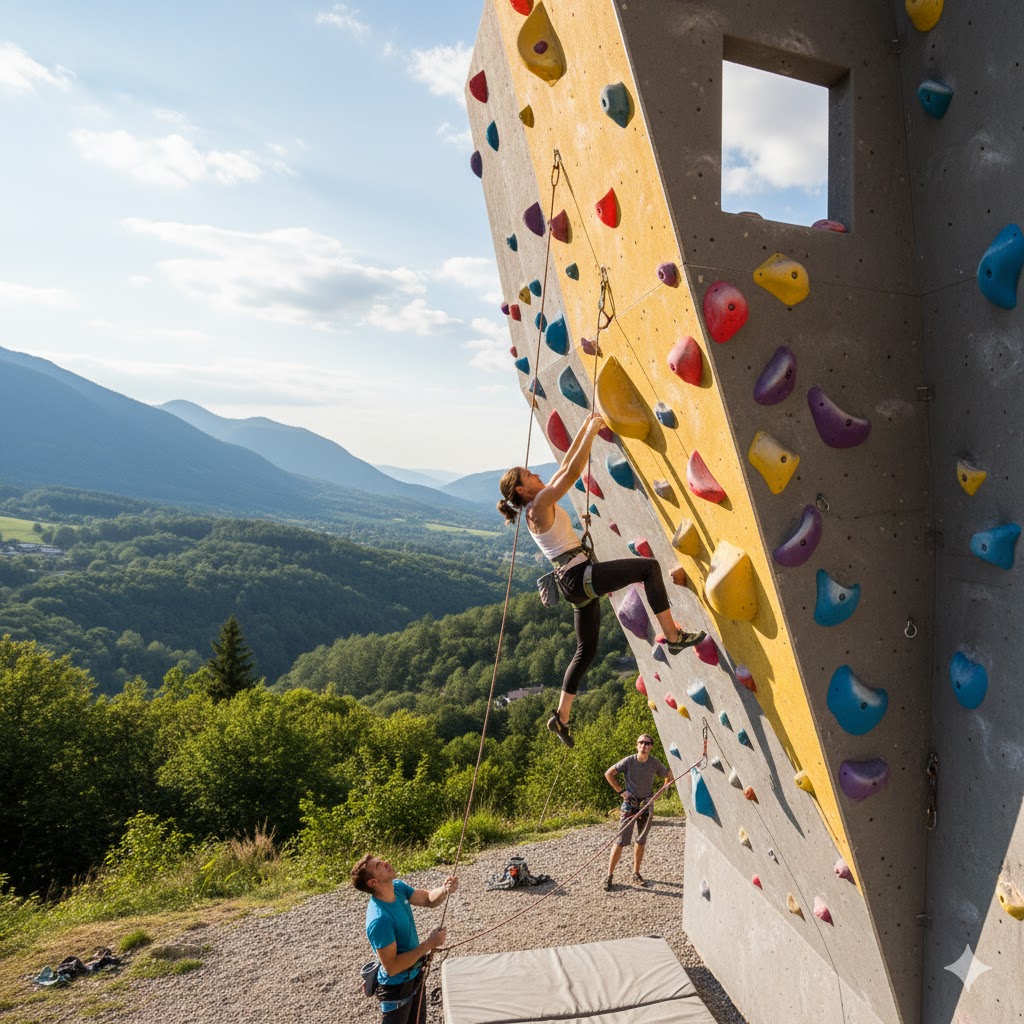
Sport Climbing: A Global Phenomenon of Strength, Strategy, and Precision
Sport Climbing has rapidly grown from a niche outdoor pursuit into one of the world’s most dynamic competitive sports. It combines physical power, mental focus, and technical skill in a thrilling display of athleticism. Since its Olympic debut, Sport Climbing has captivated audiences and inspired participants across the globe. From rugged natural cliffs to modern indoor climbing gyms, the sport continues to attract new enthusiasts every year.
The Origin and History of Sport Climbing
The roots of Sport Climbing trace back to traditional rock climbing, a practice dating to the late 19th century in Europe. Early climbers in regions like the Alps and the Peak District in England sought to ascend natural rock faces using ropes, pitons, and courage. However, as climbing evolved, a new philosophy emerged: focus not only on reaching the summit but on the movement itself.
In the 1970s, climbers in France and Italy began developing routes where protection was pre-installed into the rock using bolts. This innovation allowed athletes to push their limits without fear of catastrophic falls. It also emphasized athletic movement, creativity, and problem-solving over pure risk-taking. This marked the birth of Sport Climbing as a distinct discipline.
By the 1980s, competitions began appearing across Europe, particularly in Italy, France, and the former Soviet Union. The first organized competition took place in 1985 in Bardonecchia, Italy, drawing climbers from around the world. It was a turning point that transformed climbing from an outdoor pastime into a structured, competitive sport.
In the decades that followed, indoor climbing walls revolutionized accessibility. Climbing gyms appeared in major cities, allowing year-round training regardless of weather. This shift fueled the sport’s global expansion and created a clear pathway from beginner to elite levels. By the early 2000s, Sport Climbing had established itself as a legitimate international sport with governing bodies, standardized rules, and growing fan bases.
The sport’s inclusion in the 2020 Tokyo Olympic Games solidified its global status. The world watched as climbers competed in speed, bouldering, and lead disciplines. The combination highlighted the sport’s versatility, athletic beauty, and mental intensity. Today, Sport Climbing stands as both a recreational activity and a high-level professional pursuit, bridging the gap between adventure and competition.
Global Popularity and Where It’s Played
Sport Climbing is now a global phenomenon. Countries on nearly every continent boast thriving climbing communities. Europe remains a stronghold, with France, Spain, Italy, and Austria hosting world-class climbing destinations and athletes. The steep limestone cliffs of Céüse, Kalymnos, and Siurana are legendary training grounds for elite climbers.
In North America, the sport has exploded in popularity. The United States features iconic climbing locations such as Red River Gorge in Kentucky, Smith Rock in Oregon, and Rifle Mountain Park in Colorado. Climbing gyms have become cultural hubs in major cities, attracting newcomers eager to test their strength and balance. Canada has also seen rapid growth, especially in British Columbia and Alberta, where indoor and outdoor facilities thrive year-round.
Asia has embraced the sport with equal enthusiasm. Japan’s meticulous training culture has produced Olympic-level climbers, while South Korea and China are investing heavily in climbing infrastructure. Indonesia and Thailand, blessed with stunning natural cliffs, have become international climbing destinations. Meanwhile, in Australia and New Zealand, the sport’s mix of athleticism and outdoor adventure aligns perfectly with their active lifestyles.
Africa and South America are rising in prominence too. South Africa’s Rocklands region and Argentina’s Piedra Parada have earned global recognition. In these regions, grassroots efforts and youth programs are helping the sport expand beyond its traditional base. As a result, Sport Climbing has become one of the most inclusive, diverse, and accessible adventure sports on the planet.
Amateur Sport Climbing: Youth and School Involvement
At the amateur level, Sport Climbing thrives in schools, universities, and community gyms. Many countries now include climbing as part of their physical education curriculum, recognizing its benefits for strength, coordination, and mental discipline. Young athletes are drawn to the sport’s mix of problem-solving and physical challenge.
Youth climbing leagues have flourished globally. The International Federation of Sport Climbing (IFSC) and national organizations like USA Climbing or the British Mountaineering Council host regional and national competitions for young climbers. These events introduce structured competition while maintaining a strong sense of camaraderie and sportsmanship.
In schools, climbing walls are often installed in gyms to encourage participation. Teachers emphasize safety, teamwork, and perseverance rather than competition alone. This early exposure fosters confidence and resilience in young climbers. Many go on to join local clubs or gyms where they can pursue structured training and compete at higher levels.
Colleges and universities have also embraced Sport Climbing. Many institutions now include climbing teams and sponsor intercollegiate competitions. Students often train year-round indoors and travel to outdoor climbing areas during breaks. This integration of academic life and sport has helped establish climbing as a lifelong passion for many.
In developing nations, non-profit organizations have used climbing to engage youth and promote social development. Programs in Africa, Asia, and South America focus on inclusivity and empowerment. These initiatives highlight climbing’s power to unite people and provide positive direction for young athletes.
Professional Leagues and Global Competitions
At the professional level, Sport Climbing is governed by the IFSC, founded in 2007. The organization oversees international competitions, sets regulations, and promotes the sport worldwide. Three main disciplines define competitive climbing: lead, bouldering, and speed.
In lead climbing, athletes climb a tall wall, clipping their rope into pre-placed protection points as they ascend. The goal is to reach the highest point possible within a time limit. Bouldering involves shorter, more powerful routes, or “problems,” climbed without ropes but with padded mats for safety. Speed climbing is exactly what it sounds like—two climbers race side-by-side up an identical route as fast as possible.
Professional climbers compete in the IFSC World Cup series, held annually in cities across Europe, Asia, and North America. Each event attracts hundreds of competitors and thousands of fans. Points accumulate throughout the season to determine overall champions in each discipline. The IFSC World Championships, held every two years, crown the best in the world and serve as key qualifiers for Olympic participation.
National federations also run domestic leagues. In Japan, the JFA (Japan Mountaineering and Sport Climbing Association) manages a thriving competitive scene. In the United States, USA Climbing oversees national events that produce Olympic-caliber athletes like Nathaniel Coleman and Brooke Raboutou. Europe’s deep talent pool ensures that athletes from Slovenia, Austria, and Italy often dominate international rankings.
The sport’s professionalization has led to sponsorships, televised events, and significant media attention. Major brands now back elite climbers, and the sport has cultivated its own celebrity athletes. Figures like Janja Garnbret and Adam Ondra have become global ambassadors for climbing, inspiring millions of new participants.
Social and Political Significance of Sport Climbing
Sport Climbing holds deep social and political significance. It embodies the values of perseverance, equality, and environmental awareness. Unlike many traditional sports, climbing celebrates individual expression and creative problem-solving. Each route presents a puzzle, and climbers find their own path to the top.
Socially, climbing fosters community. In gyms and outdoor areas alike, cooperation and support are central. Climbers encourage one another regardless of experience level. This inclusive spirit has made the sport particularly appealing to diverse groups, including women and underrepresented communities. Many organizations actively promote diversity and accessibility, ensuring climbing remains open to all.
Politically, climbing intersects with environmental and conservation movements. Many climbers advocate for the protection of natural landscapes, supporting policies that preserve cliffs and ecosystems. This alignment has strengthened ties between athletes and environmental groups, highlighting the sport’s potential for positive activism.
Additionally, climbing’s Olympic inclusion symbolized recognition of alternative, youth-driven sports. It represented a shift in global sports culture toward individuality and sustainability. Governments in numerous countries have since invested in climbing infrastructure, seeing it as a way to engage young citizens and promote healthy lifestyles.
Climbing also plays a diplomatic role. International competitions often bridge cultural divides, fostering friendship and cooperation. Athletes from rival nations compete side by side, sharing techniques and experiences. In this way, Sport Climbing transcends borders, politics, and language.
Rules of Sport Climbing
Sport Climbing competitions follow strict regulations to ensure fairness and safety. Although formats differ between disciplines, several universal principles apply.
1. Lead Climbing Rules
Athletes attempt a single long route within a time limit, usually six minutes. Each route contains fixed bolts for clipping protection. The climber clips the rope into quickdraws attached to these bolts as they ascend. If a climber falls, their highest controlled hold is recorded. The winner is determined by the highest progression on the wall.
Judges watch closely to confirm correct clipping and movement. Athletes must climb in a controlled manner without using artificial aids. Previewing the route before climbing is allowed, but touching holds is not.
2. Bouldering Rules
In bouldering, climbers face four or five short routes, each requiring explosive strength and balance. They have a limited number of attempts and time—usually five minutes per problem. Scoring depends on how many “zones” and “tops” the athlete reaches. Fewer attempts result in higher scores.
Bouldering emphasizes creative movement and adaptability. Routes are reset for every competition, ensuring fairness and novelty. Spotters and padded mats provide safety instead of ropes.
3. Speed Climbing Rules
Speed climbing is simple and thrilling. Two athletes climb an identical 15-meter wall side by side. The route never changes, allowing for record-breaking runs. The current world record stands at under five seconds. A false start results in immediate disqualification, adding intensity and pressure.
4. General Conduct
Competitors must wear certified climbing shoes and harnesses. Chalk is permitted to improve grip. Athletes may not receive outside assistance or verbal coaching once on the wall. Safety checks by officials are mandatory before each attempt.
In all disciplines, ties are broken by countback rules, considering previous rounds or time. The competition format rewards consistency, composure, and adaptability across multiple challenges.
The Olympic Format
The Olympic format originally combined all three disciplines into one event. Each athlete competed in lead, bouldering, and speed, with final rankings determined by multiplying their placements. This structure favored well-rounded climbers capable of excelling in all aspects of the sport.
For future Games, the format has evolved. Separate medals are now awarded for speed and for a combined lead-and-bouldering event. This change reflects feedback from athletes and fans seeking more specialized competition. The new structure highlights the sport’s diversity while maintaining its thrilling pace and unpredictability.
Training and Strategy
Success in Sport Climbing requires a mix of strength, endurance, and intelligence. Elite climbers spend countless hours training in gyms and outdoors. Workouts include fingerboard exercises, dynamic movements, and problem-solving drills. Mental preparation is equally important. Visualization, breathing techniques, and route analysis help climbers stay composed under pressure.
Nutrition and recovery also play major roles. Top climbers maintain lean physiques with high strength-to-weight ratios. Flexibility training prevents injuries and enhances movement efficiency. Strategy often decides competitions; reading a route correctly can mean the difference between success and failure.
Coaches and sports scientists have refined training methods over the years. Today’s athletes benefit from biomechanics analysis, data tracking, and cross-disciplinary conditioning. This evolution mirrors the sport’s shift from grassroots adventure to professional athleticism.
Cultural Impact and Media Presence
Sport Climbing has become a cultural phenomenon. Its visual appeal and human drama make it ideal for broadcast and social media. Viral videos of dramatic climbs and record-breaking performances have captivated millions online. Documentaries like Free Solo and The Dawn Wall have further popularized climbing, even among non-participants.
Climbing gyms now serve as social spaces where people connect through shared challenge. Music, lighting, and route design create immersive experiences. This cultural fusion of sport, art, and lifestyle has drawn comparisons to skateboarding and surfing. The emphasis on creativity and individuality resonates with younger generations.
Moreover, climbing has influenced fashion and design. Outdoor brands now blend function with style, appealing to both athletes and casual fans. The climbing aesthetic—minimalist, rugged, and bold—has found its way into mainstream culture.
Economic Growth and Industry Expansion
The global climbing industry has grown rapidly. Equipment manufacturers, gyms, and event organizers all contribute to a multibillion-dollar economy. Advances in technology have improved safety gear, while creative wall designs have made climbing more engaging.
Countries hosting major competitions benefit economically from tourism and sponsorships. Cities like Innsbruck, Tokyo, and Salt Lake City have positioned themselves as climbing hubs. Meanwhile, local communities near outdoor climbing destinations experience increased business from visiting athletes.
Corporate sponsorship has elevated professional climbers to new heights. Athletes now represent brands across industries, from outdoor gear to fashion and energy drinks. This commercialization has brought more visibility and funding, further fueling growth.
Future of Sport Climbing
The future of Sport Climbing looks bright. Its inclusion in global events ensures continued visibility and investment. Advances in wall design and route-setting promise fresh challenges and creative evolution. As technology improves, virtual reality and performance analytics may revolutionize training and fan engagement.
Sustainability will remain central to the sport’s identity. Organizations continue to advocate for environmentally responsible climbing practices. Education and conservation efforts aim to preserve outdoor areas for future generations.
As participation grows, diversity and inclusion remain key priorities. Programs that support women, youth, and underrepresented groups are expanding worldwide. This ensures that climbing remains a sport for everyone, not just the elite.
Ultimately, Sport Climbing represents more than athletic achievement. It embodies human curiosity, determination, and creativity. Each ascent tells a story of persistence and problem-solving, qualities that resonate far beyond the climbing wall.
Conclusion
Sport Climbing has journeyed from humble mountain beginnings to global arenas filled with cheering fans. Its blend of strength, intelligence, and artistry has redefined modern sport. As it continues to inspire new generations, its message remains clear: progress comes from perseverance, and every climb begins with a single reach upward.
From natural cliffs to Olympic podiums, Sport Climbing unites people through movement, courage, and community. Its past honors tradition, its present thrives on innovation, and its future holds limitless potential.




