
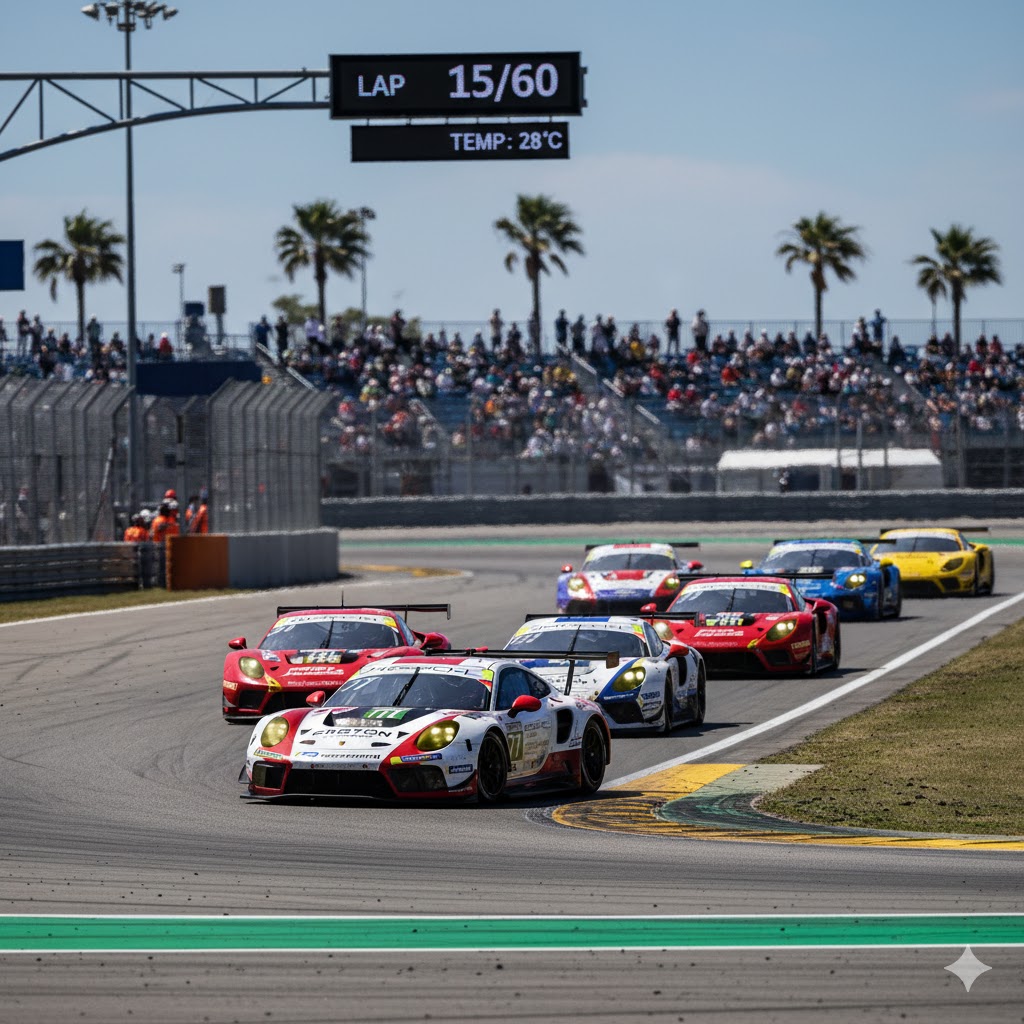
Sports Car Racing: A Complete Guide to the Thrill of Speed and Strategy
Sports Car Racing captures the imagination of fans worldwide. This high-speed competition blends engineering mastery, driver skill, and strategic teamwork. The sport’s rich history, global popularity, and social influence make it one of the most dynamic forms of motorsport. In this detailed exploration, we’ll dive deep into the origin, growth, rules, amateur participation, professional leagues, and political and social impact of Sports Car Racing.
The Origin and History of Sports Car Racing
Sports Car Racing began soon after the automobile was invented. In the early 1900s, car enthusiasts wanted to test their vehicles’ limits beyond everyday roads. The first organized races took place in Europe, particularly in France and Italy. Events like the 1906 French Grand Prix and the Targa Florio in Sicily laid the groundwork for modern racing.
Manufacturers quickly realized racing was an opportunity to showcase innovation. Brands like Bugatti, Alfa Romeo, and Bentley used these events to prove their cars’ reliability and speed. Racing circuits emerged, replacing dangerous open-road competitions. Tracks such as Le Mans and Monza became legendary for their difficulty and prestige.
The 24 Hours of Le Mans, founded in 1923, remains the most iconic endurance race in the world. It emphasized both speed and durability, requiring drivers to balance aggression with mechanical sympathy. Over time, the sport evolved from simple showdowns into complex, team-based challenges involving multiple drivers, pit crews, and strategic planning.
After World War II, the sport expanded rapidly. New technologies developed during the war—like improved aerodynamics and stronger engines—transformed race car performance. The 1950s and 1960s were golden decades. Jaguar, Ferrari, and Porsche dominated circuits, defining the competitive spirit that still drives Sports Car Racing today.
The Evolution of Cars and Technology
Innovation defines the sport. Engineers continually push boundaries to find better ways to win. In early years, vehicles were simple—lightweight frames with basic engines. Today’s sports cars are marvels of design and technology. They feature hybrid powertrains, advanced aerodynamics, and computer-assisted driving systems.
The constant competition between manufacturers fuels progress. Ferrari, Porsche, Aston Martin, and Toyota invest millions to develop cutting-edge technology. Many innovations born on the track, such as disc brakes and traction control, eventually enhance consumer vehicles.
This relentless pursuit of speed and efficiency makes Sports Car Racing a testing ground for the automotive industry. Each race contributes to advancements in fuel economy, safety, and environmental performance.
Global Popularity of Sports Car Racing
Sports Car Racing enjoys immense popularity across continents. Europe remains its spiritual home, with races in France, Italy, Germany, and the United Kingdom attracting massive crowds. The European Le Mans Series and World Endurance Championship highlight the continent’s love for endurance competition.
In North America, the sport thrives under the IMSA WeatherTech SportsCar Championship. Famous tracks like Daytona and Sebring draw global attention each season. Fans gather to witness cars battle for hours, sometimes through rain, darkness, and fatigue.
Asia has also embraced the sport. Japan, China, and the Middle East host major events that attract international teams. Circuits like Fuji Speedway and Bahrain International Circuit showcase regional enthusiasm and investment in high-level motorsport.
Australia’s endurance races, including the Bathurst 12 Hour, offer breathtaking scenery and tough challenges. Meanwhile, South America’s growing racing culture ensures that Sports Car Racing continues to reach new audiences.
Social media and live streaming have expanded global access. Millions watch races online, following their favorite teams and drivers in real time. As technology connects fans worldwide, the sport’s community grows stronger and more united.
Amateur Sports Car Racing
Not everyone who loves racing competes professionally. Across the globe, amateur drivers take to the track to experience the thrill firsthand. Local clubs and regional organizations provide structured opportunities for enthusiasts to race safely.
In the United States, groups like the Sports Car Club of America (SCCA) and National Auto Sport Association (NASA) organize amateur events. These competitions allow drivers to race modified street cars or entry-level sports models. Participants learn vehicle control, race strategy, and teamwork without the high costs of professional racing.
Europe also supports amateur racing through national motorsport federations. Drivers can compete in various categories, from time trials to endurance races. In the UK, track days and club championships at circuits like Silverstone and Brands Hatch encourage grassroots participation.
Youth involvement continues to grow. Schools and universities introduce motorsport engineering programs, helping students build and race cars. Karting serves as a common entry point for children, developing the driving skills needed to advance later in life. Programs like Formula Student and university race teams bridge education with competition, preparing the next generation of engineers and racers.
Amateur Sports Car Racing is not just about winning. It’s about passion, learning, and community. Friendships form in the pits, and lifelong racers often start as weekend hobbyists.
Professional Leagues and Major Competitions
Professional Sports Car Racing operates on a global scale. The most prestigious series showcase elite drivers and high-tech machines. The FIA World Endurance Championship (WEC) sits at the top. It features famous events like the 24 Hours of Le Mans, 6 Hours of Spa, and 8 Hours of Bahrain. Teams from Toyota, Porsche, Ferrari, and Cadillac compete for world titles.
The IMSA WeatherTech SportsCar Championship is North America’s premier league. Races such as the Rolex 24 at Daytona and the 12 Hours of Sebring are iconic. They attract factory-backed teams and independent outfits, creating fierce rivalries.
In Europe, the GT World Challenge features sports cars from Lamborghini, McLaren, and Mercedes-AMG. The Blancpain Endurance Cup and Intercontinental GT Challenge bring together top drivers from around the world.
Asia and the Middle East have established growing professional scenes. The Asian Le Mans Series and Gulf 12 Hours highlight regional growth, supported by modern tracks and corporate sponsorship.
Each league maintains strict regulations to ensure fairness. Categories like LMP (Le Mans Prototype) and GT (Grand Touring) separate vehicles by performance and design. This structure allows both manufacturers and private teams to compete effectively.
Professional drivers undergo rigorous training and preparation. They must master speed, consistency, and adaptability. During endurance events, teams rotate drivers to maintain performance over long distances. Strategy plays a crucial role—fuel management, tire changes, and timing determine success as much as raw speed.
Rules and Structure of Sports Car Racing
Understanding the rules helps fans appreciate the complexity of the sport. Races take place on closed circuits, either permanent tracks or temporary street courses. Events vary in length—from short sprints lasting under an hour to 24-hour endurance marathons.
Each team fields one or more cars. Depending on the class, a car may have one to three drivers. Teams must follow regulations governing car design, weight, fuel type, and safety equipment.
Start Procedure:
Most endurance races use rolling starts. Cars line up behind a pace car, then accelerate once the green flag waves.
Pit Stops:
During the race, teams refuel, change tires, and swap drivers in the pit lane. Efficiency is critical—seconds saved can determine victory.
Safety Rules:
Strict standards govern helmets, suits, and car construction. Roll cages, fire suppression systems, and crash structures protect drivers in accidents.
Track Conduct:
Overtaking must be done safely. Blocking or dangerous driving can result in penalties. Race stewards review incidents and apply time or position penalties when necessary.
Flags and Signals:
Marshals use colored flags to communicate with drivers. A yellow flag indicates danger, while a blue flag warns slower cars to let faster ones pass. The checkered flag signals the race’s end.
Scoring System:
Points are awarded based on finishing position. Championships often include both driver and manufacturer standings. Consistency across the season is key to success.
These detailed rules create structure, fairness, and excitement. Every second matters, and teamwork under pressure defines champions.
Social and Political Significance of Sports Car Racing
Beyond the track, Sports Car Racing carries important social and political weight. The sport reflects technological progress, international cooperation, and human ambition.
Social Impact:
Motorsport inspires millions to pursue careers in engineering, mechanics, and design. Educational programs use racing to teach physics, mathematics, and teamwork. Communities around circuits benefit from tourism and economic activity. Major races attract thousands of visitors, boosting local hotels, restaurants, and services.
The sport also promotes diversity and inclusion. More women are entering the world of motorsport as drivers, engineers, and team leaders. Programs encouraging female participation continue to expand, ensuring broader representation.
Environmental responsibility is another growing concern. Modern sports car manufacturers lead the charge toward sustainability. Hybrid engines, biofuels, and electric technology show commitment to reducing carbon emissions. Racing acts as a laboratory for developing cleaner, more efficient vehicles.
Political Influence:
Governments recognize the sport’s economic and technological potential. Hosting major races often requires infrastructure investment, creating jobs and international attention. Nations like Bahrain and the United Arab Emirates use motorsport to enhance global visibility and attract tourism.
International collaboration in racing mirrors diplomatic relationships. Teams, sponsors, and organizers come from different nations, demonstrating cooperation beyond politics. Despite competition, a spirit of unity prevails. The shared love of speed bridges cultural and political divides.
Economic Influence and Sponsorship
Sports Car Racing drives a massive global economy. Teams rely on sponsors for financial support. In return, companies gain visibility and association with innovation. Brands from automotive, technology, and luxury industries invest heavily in racing.
Television rights and digital streaming add further revenue. Fans buy merchandise, attend events, and engage with brands through social media. Entire industries thrive on racing-related products—from tires and lubricants to safety gear and data analytics.
This commercial ecosystem sustains thousands of jobs worldwide. Engineers, drivers, pit crews, and marketing professionals all benefit from the sport’s success. Racing’s combination of glamour and grit makes it irresistible to fans and sponsors alike.
Cultural and Emotional Connection
At its core, Sports Car Racing is about passion. Fans connect deeply with teams, drivers, and machines. The roar of engines and the drama of competition stir powerful emotions. Victory celebrations bring joy; losses teach resilience.
Films, documentaries, and video games keep the sport alive in popular culture. Classics like Le Mans and Ford v Ferrari capture the essence of human ambition and rivalry. Esports racing now allows fans to experience competition virtually, bridging digital and real-world racing.
This emotional bond between fans and the sport ensures its longevity. Generations pass down their love of racing, keeping the spirit alive and evolving.
Challenges and the Future of Sports Car Racing
Like all major sports, racing faces challenges. Rising costs, environmental pressure, and safety concerns require constant attention. Fortunately, innovation continues to drive solutions.
Electric and hybrid sports cars represent the next era. Series like the FIA World Endurance Championship already include hybrid classes. Manufacturers experiment with hydrogen and sustainable fuels to reduce environmental impact.
Technology will keep transforming the fan experience. Augmented reality, live telemetry, and immersive broadcasts bring audiences closer to the action. As more young people engage through digital media, the sport’s reach will continue expanding.
Governance also matters. International bodies like the FIA focus on fairness, sustainability, and safety. Transparent rules and ethical standards ensure that Sports Car Racing remains competitive, respected, and inspiring.
Conclusion
Sports Car Racing stands as a powerful symbol of speed, skill, and progress. From its humble beginnings on European roads to today’s global endurance events, the sport has evolved through innovation and passion. It unites nations, drives technology, and captivates millions.
Amateur racers, professional teams, and devoted fans all contribute to its vibrant culture. Rules maintain order, while competition fuels constant improvement. Politically and socially, it fosters cooperation and inspires the next generation of thinkers and creators.
In every corner of the world, the sound of engines echoing across the track reminds us of what humans can achieve when ambition meets precision. Sports Car Racing is more than a sport—it’s a celebration of movement, innovation, and the relentless pursuit of excellence.