
The Complete Guide to Squirt Boating: History, Play, Rules, and Global Impact
Introduction
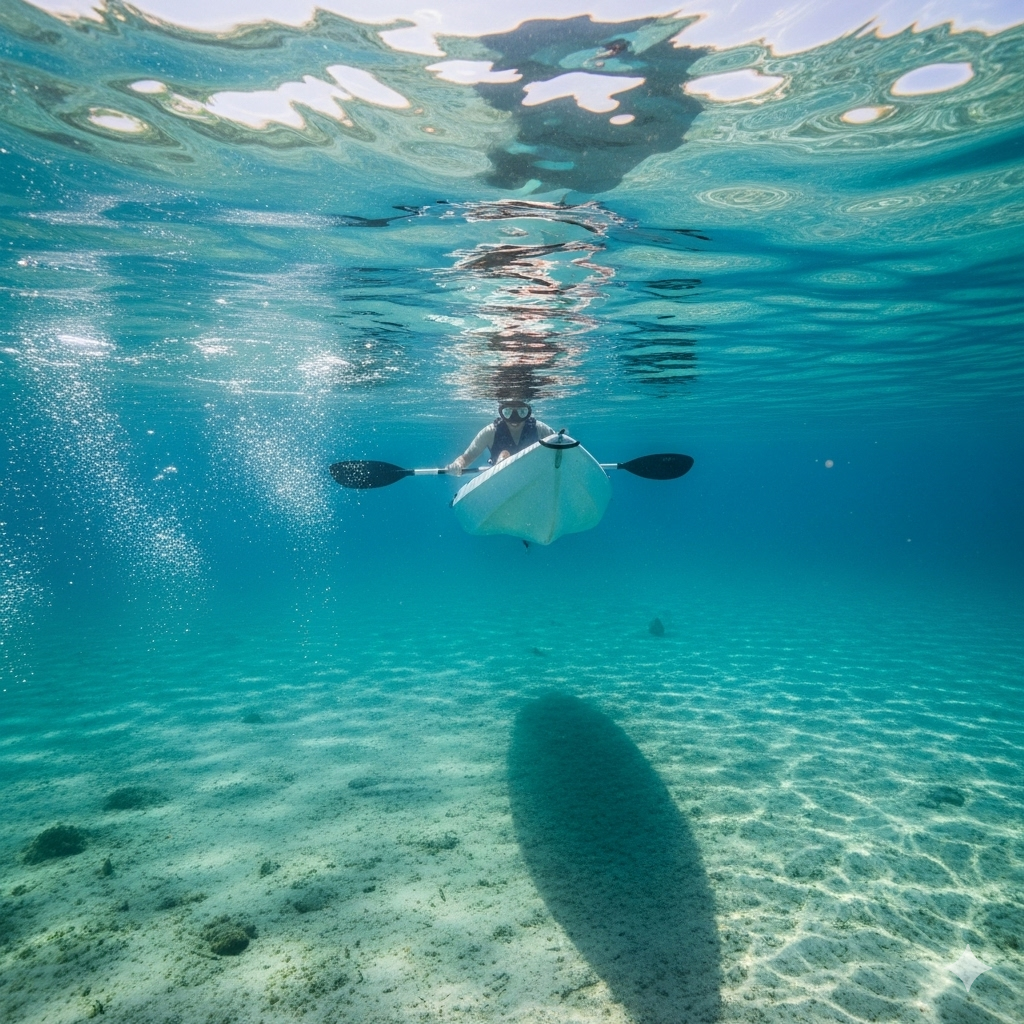
Squirt Boating is one of the most fascinating adventure sports that combines kayaking skill with underwater mastery. This unique sport challenges athletes to blend balance, strength, and creativity. Unlike traditional kayaking, the focus is not just on riding waves but also on maneuvering beneath the water’s surface. Because of its unusual style, Squirt Boating has become a niche yet deeply respected discipline. This blog will explore the history, worldwide popularity, amateur and professional play, social and political impact, and rules of the sport in detail.
The Origin and History of Squirt Boating
The story of Squirt Boating began in the United States during the 1980s. It emerged when whitewater kayakers started experimenting with low-volume boats. Traditional kayaks were designed for stability and speed. However, some athletes wanted to explore fluid motion, tricks, and underwater experiences.
These experiments led to extremely low-volume boats that could sink partially below the water’s surface. By reducing buoyancy, paddlers discovered they could perform spins, stalls, and underwater moves. Enthusiasts soon realized this was not just a variation of kayaking—it was a new sport.
The term “squirt” came from the sensation of slipping smoothly into and out of the current. Innovators like Jim Snyder, often credited as a pioneer, began designing specialized squirt boats. His designs focused on precision control rather than traditional speed. As paddlers tested these boats on rivers across Appalachia, the foundations of the sport were firmly established.
By the late 1980s, squirt boating gatherings had started. Athletes compared techniques, shared boat designs, and built a community. Early competitions helped shape a culture of artistry, fluidity, and connection with water. Unlike competitive kayaking, the emphasis was not always on points or times but on creativity.
Throughout the 1990s, the sport spread internationally. Adventurers in Japan, Europe, and South America adopted squirt boating. Local rivers with powerful eddies and smooth currents became playgrounds for innovation. The community grew slowly but steadily, always centered on passion rather than commercial promotion.
Global Popularity of Squirt Boating
Although it is not a mainstream sport, squirt boating has a dedicated global following. The United States remains its heartland, with rivers in Pennsylvania, West Virginia, and North Carolina serving as iconic spots. The New and Youghiogheny Rivers are especially popular.
Japan also embraced the sport with enthusiasm. Rivers such as the Tama and Tone became famous among squirt boaters. Japanese athletes contributed to pushing technical boundaries, often blending traditional paddling culture with modern freestyle moves.
In Europe, Germany and the United Kingdom developed strong communities. The River Dart in England and the Isar in Germany became centers for practice. European paddlers often hosted informal gatherings where international athletes shared techniques.
South America joined the movement as well. Rivers in Chile offered deep eddies and natural conditions ideal for squirt boating. The continent became known for breathtaking scenery combined with technical challenges.
While the sport has never achieved mainstream commercial fame, it thrives in these global pockets. The culture values authenticity, artistry, and connection to nature. This global spread demonstrates that even niche sports can achieve international respect.
Amateur Play Around the World
Amateur squirt boating thrives in riverside communities and outdoor clubs. Many enthusiasts discover the sport after trying whitewater kayaking. They become intrigued by the freedom of underwater moves and decide to learn specialized techniques.
Youth participation is rare but growing. Adventure camps in the United States have introduced young paddlers to the basics. They often start with standard kayaks before transitioning to squirt boats. Safety instruction is always a top priority.
Schools and universities with strong outdoor programs also contribute. Institutions in Colorado, West Virginia, and Oregon include squirt boating in their paddling curricula. Students learn not only the technical skills but also the philosophy behind the sport.
Community gatherings play an important role for amateurs. Events called “squirts” bring together paddlers of all levels. These gatherings emphasize mentorship. Experienced athletes help newcomers refine their techniques. Friendships and cultural exchange develop naturally at these events.
Outside the U.S., youth engagement remains modest. In Japan, a few clubs have introduced squirt boating to teenagers through structured training programs. Europe has similar initiatives, especially in Germany. These efforts ensure the next generation of athletes will continue the tradition.
Professional Leagues and Competitions
Professional squirt boating does not follow the traditional model of leagues like soccer or basketball. Instead, it integrates into freestyle kayaking competitions. International Canoe Federation (ICF) events occasionally include squirt boating categories.
The ICF Freestyle World Championships often feature squirt boating disciplines. Athletes perform routines judged on creativity, technical difficulty, and execution. Unlike pure racing, points are awarded for artistry as well as control.
In the United States, local competitions celebrate the sport. The Gauley Festival in West Virginia, one of the largest whitewater events, often hosts squirt boating showcases. Similarly, Ohiopyle in Pennsylvania has become a hub for small competitive gatherings.
Japan developed its own circuit of events. These competitions emphasize technical skill and innovative moves. Japanese athletes have consistently ranked among the world’s best, highlighting the country’s dedication.
Europe also hosts regional competitions. The British Canoeing Association includes squirt boating divisions at freestyle events. Germany’s paddling festivals feature squirt routines as part of cultural celebrations.
Although squirt boating lacks the commercial sponsorships seen in larger sports, the competitive spirit remains strong. Athletes push boundaries for personal fulfillment rather than financial reward.
Social and Political Significance
Squirt boating carries social significance as a sport rooted in environmental awareness. Athletes develop deep respect for rivers and ecosystems. The community often advocates for clean waterways, conservation, and responsible outdoor practices.
Politically, the sport aligns with environmental movements. In the United States, squirt boaters have joined campaigns to protect Appalachian rivers. Similar activism occurs in Japan, where athletes promote sustainable water management.
The sport also builds social connections. Squirt boating gatherings unite people from different nations, cultures, and backgrounds. Shared passion overcomes language barriers. Friendships forged on rivers often last a lifetime.
Another social aspect is inclusivity. Unlike commercialized sports, squirt boating welcomes diverse participants. The focus remains on creativity and personal expression rather than rigid standards.
In some regions, squirt boating has symbolized resistance to mainstream commercialization. Athletes pride themselves on authenticity and independence. They often reject the pressures of large-scale sponsorship. This ethos has kept the sport true to its roots.
Rules of Squirt Boating
While the sport celebrates creativity, competitions require structure. Judges rely on standardized rules to score routines. These rules balance freedom with fairness.
1. Equipment Regulations
Athletes must use approved squirt boats with defined volume limits. Boats are designed to submerge partially underwater while remaining safe. Helmets, buoyancy aids, and protective gear are mandatory.
2. Performance Area
Competitors must perform in designated river sections with specific currents and eddies. Safety teams monitor the area closely.
3. Routine Duration
Each athlete has a fixed time, usually 45 to 60 seconds, to perform. Timing ensures fairness across competitors.
4. Scoring Criteria
Judges award points based on creativity, technical skill, fluidity, and control. Higher scores are given for complex underwater moves combined with smooth transitions.
5. Safety Rules
Competitors must demonstrate safe exits from underwater moves. Failure to resurface promptly can lead to disqualification. Safety is always prioritized over spectacle.
6. Conduct
Athletes are expected to respect judges, fellow competitors, and the environment. Unsportsmanlike behavior results in penalties.
Although structured for competitions, casual squirt boating has looser rules. Enthusiasts focus on enjoyment, experimentation, and connection with nature rather than formal scoring.
Why the Sport Endures
Squirt boating endures because it offers something rare: a blend of athletic challenge, artistry, and spiritual connection. For many athletes, the appeal lies in becoming one with the water. The feeling of sinking beneath the surface and flowing with currents is unmatched.
Communities continue to grow globally, even without mainstream promotion. Passion drives the sport more than profit. That authenticity keeps athletes returning to rivers year after year.
Additionally, the sport appeals to people who value individuality. Unlike team sports, squirt boating allows for self-expression. Each athlete develops a unique style and signature moves.
Conclusion
From its roots in the 1980s Appalachian rivers to its global presence today, squirt boating has carved out a distinct place in adventure sports. It combines history, artistry, athleticism, and community. Amateur and professional athletes alike keep the spirit alive. The sport may never dominate mainstream media, but its authenticity and culture remain strong.
Through its environmental advocacy, social inclusivity, and unique competition format, squirt boating continues to inspire. Athletes across continents dedicate themselves to perfecting underwater artistry and preserving the rivers they love.