
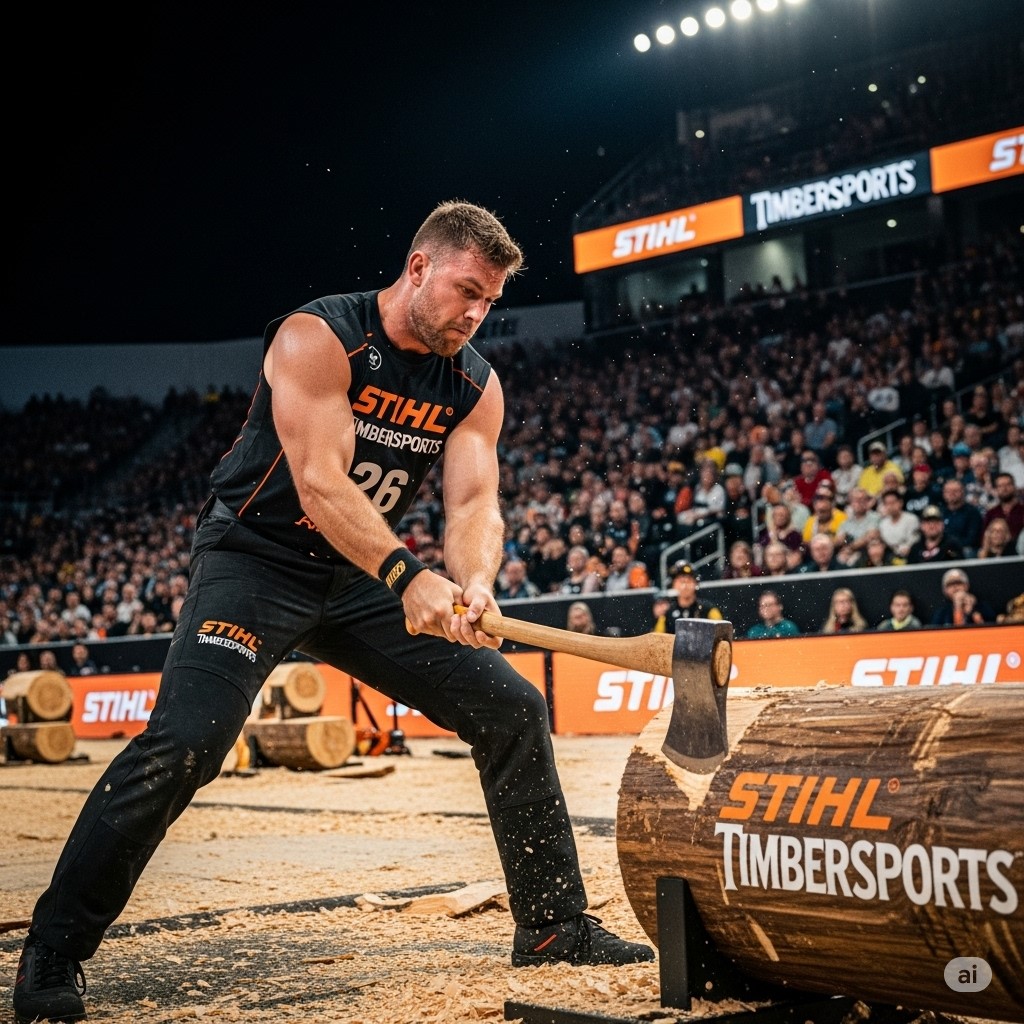
The Complete Guide to Stihl Timbersports: History, Global Popularity, and Competitive Framework
Stihl Timbersports is a dynamic and thrilling sport rooted in traditional logging practices. This adrenaline-pumping competition showcases athletes wielding axes, saws, and chainsaws with precision and speed. It’s more than just chopping wood—it’s a celebration of skill, strength, and heritage. Originating from the forests of the world’s lumber-rich regions, Stihl Timbersports has grown into an internationally recognized sport. With increasing popularity, it draws massive crowds and media coverage across the globe.
This blog will explore the history, global spread, amateur participation, professional leagues, social and political relevance, and the detailed rules of Stihl Timbersports. Let’s begin by diving into the rich history of this captivating sport.
The Origin and History of Stihl Timbersports
The roots of Stihl Timbersports lie in the rugged forests of the 19th century. Lumberjacks in Australia, New Zealand, Canada, and the United States began competing in friendly wood-chopping contests. These events occurred after long days of logging work. They started as a way to blow off steam and display dominance among peers.
By the early 20th century, these informal contests evolved into organized competitions. Logging festivals and rural fairs began including wood-chopping events in their programs. Events like the Springboard Chop, Standing Block Chop, and Crosscut Saw became standardized.
The modern era of Stihl Timbersports began in 1985. Andreas Stihl, the German chainsaw manufacturer, launched the official Stihl Timbersports Series in the United States. The brand played a key role in formalizing rules, standardizing equipment, and increasing safety. The inclusion of mechanical saw events added a new layer of excitement to the competition.
Stihl Timbersports quickly expanded into Europe, with Germany hosting its first national championship in 2001. Today, over 20 countries hold national championships, and elite athletes from around the world compete in international events.
Global Popularity of Stihl Timbersports
The sport has achieved impressive global reach. It is especially popular in North America, Europe, Australia, and New Zealand. Media coverage has helped boost its profile. Stihl Timbersports competitions are televised and streamed online, making them accessible to fans worldwide.
In Germany, Stihl Timbersports is considered a major competitive sport. Fans pack arenas to watch their favorite athletes battle it out. In the United States and Canada, competitions are often part of larger outdoor festivals, attracting thousands of spectators.
Australia and New Zealand have maintained strong ties to the sport. Their athletes regularly dominate international competitions. Countries like Sweden, Switzerland, and the Czech Republic have also built strong national teams.
Social media has fueled growth by showcasing dramatic highlights and personal stories of athletes. Viral videos of axe and saw battles have introduced the sport to new audiences. Brands and sponsors have also played a role in its expansion.
Asia is beginning to embrace the sport as well. Japan and China have both shown increased interest, hosting regional competitions and exhibitions. As interest continues to grow, more countries are expected to join the global Stihl Timbersports community.
Amateur Participation: Youth and School Programs
Stihl Timbersports is not just for elite athletes. Amateur leagues and youth programs play a crucial role in the sport’s development. In North America, many colleges and universities with forestry programs offer competitive timbersports teams. The Association of Southern Forestry Clubs in the U.S. hosts annual collegiate competitions.
These programs serve as training grounds for future professionals. Students compete in modified versions of the professional events. Events include the Single Buck, Underhand Chop, and Stock Saw. Safety is a top priority, and young athletes receive training before participating.
In Canada, schools like the University of New Brunswick and Northern Alberta Institute of Technology have robust timbersports programs. These institutions produce some of the country’s best amateur talent.
Europe has also embraced youth development. In Germany and Switzerland, clubs offer junior training programs. These are aimed at teenagers interested in competitive woodcutting. Australia has a strong culture of amateur participation, with many young athletes getting their start in rural wood-chopping shows.
School programs help promote discipline, teamwork, and respect for forestry traditions. These values extend beyond the competition field. Youth engagement ensures the long-term sustainability of the sport.
Professional Leagues and Global Competitions
Stihl Timbersports has developed a highly organized professional circuit. The official Stihl Timbersports Series consists of national championships, continental cups, and world championships. Athletes qualify through rigorous selection processes based on national rankings.
The most prestigious event is the Stihl Timbersports World Championship. This annual event features both individual and team competitions. It brings together the top athletes from each participating country. Events include the Springboard, Underhand Chop, Standing Block Chop, Single Buck, Stock Saw, and Hot Saw.
The Rookie World Championship focuses on younger athletes under the age of 25. It highlights the next generation of timber sports stars. Rookies often graduate to the professional ranks within a few years.
European competitions are particularly well organized. Countries like Germany, France, Sweden, and Austria host national series with multiple qualifying events. The European Nations Cup is a major event that crowns the continent’s top team.
In the United States, the Stihl Timbersports Series is broadcast on networks like ESPN. Competitions are held in major cities and rural venues alike. Canada has a strong presence, with multiple regional competitions feeding into the national championship.
Australia and New Zealand maintain a fierce rivalry. Their athletes consistently rank among the world’s best. The Oceania Regional Championship is a highlight of the season.
Professional athletes often come from forestry backgrounds. Many work as arborists, loggers, or forestry educators. Their real-world experience adds authenticity to their performance.
Political and Social Significance of the Sport
Stihl Timbersports carries cultural and political relevance. It honors the traditions of forestry and rural labor. The sport highlights the contributions of loggers and forestry workers to national economies and landscapes.
Politically, it has helped promote sustainable forestry practices. Sponsors and organizers often partner with environmental groups. They advocate for responsible tree harvesting and forest management.
Events sometimes feature educational booths and demonstrations on sustainability. These efforts raise awareness about deforestation and climate change. They also demonstrate how modern forestry can balance production and preservation.
Socially, the sport promotes gender inclusivity and diversity. Women now compete in their own divisions, gaining visibility and respect. Mixed-gender teams are becoming more common, reflecting broader social changes.
Stihl Timbersports also boosts local economies. Hosting events drives tourism and supports small businesses. Towns benefit from increased foot traffic and media attention.
The sport builds community pride. Local heroes often become regional celebrities. Their achievements inspire younger generations to pursue athletic and vocational goals.
In rural areas, Stihl Timbersports can serve as a unifying force. It connects residents to their heritage and each other. It provides a platform for storytelling, tradition, and pride.
Detailed Rules of Stihl Timbersports
The sport consists of six primary events. Each tests different aspects of strength, precision, and technique. Athletes compete individually or in teams.
- Springboard Chop Competitors insert two boards into a vertical log. They climb the boards and chop through a block mounted at the top. Balance and axe control are crucial.
- Underhand Chop Athletes stand on a horizontal log and swing downward to chop it in half. Foot placement and timing are key.
- Standing Block Chop The vertical log mimics a standing tree. Competitors must chop through it from both sides. Power and accuracy determine success.
- Single Buck Using a one-man crosscut saw, competitors slice through a log. Proper technique ensures speed and efficiency.
- Stock Saw This event uses identical STIHL chainsaws. Athletes make two precise cuts within a marked area. Precision and consistency matter most.
- Hot Saw The Hot Saw is a modified, high-powered chainsaw. Athletes make three cuts from a large block. The event is dramatic and loud, often concluding competitions.
Each event has strict rules. Violations, such as safety gear infractions or incomplete cuts, lead to disqualification. Judges assess performance based on time and accuracy.
Athletes must wear protective gear, including helmets, eye protection, and cut-resistant clothing. Safety is taken seriously. Before competing, participants undergo equipment checks.
Points are awarded based on finish time. The fastest competitor earns the most points. Scores are totaled to determine overall standings. In team events, the combined performance determines the winner.
Training is intense. Athletes often spend years perfecting technique and building physical strength. They also practice mental focus and timing.
Final Thoughts
Stihl Timbersports is a unique blend of tradition, athleticism, and entertainment. Its history reflects the cultural importance of forestry. The sport has evolved into a global phenomenon, with professional leagues and amateur participation on the rise.
It provides opportunities for youth development, community engagement, and environmental education. It honors the past while embracing modern competition standards.
As the sport continues to grow, it carries with it stories of heritage, perseverance, and pride. Whether you’re an aspiring competitor or a curious fan, there’s no denying the excitement and legacy of Stihl Timbersports.