
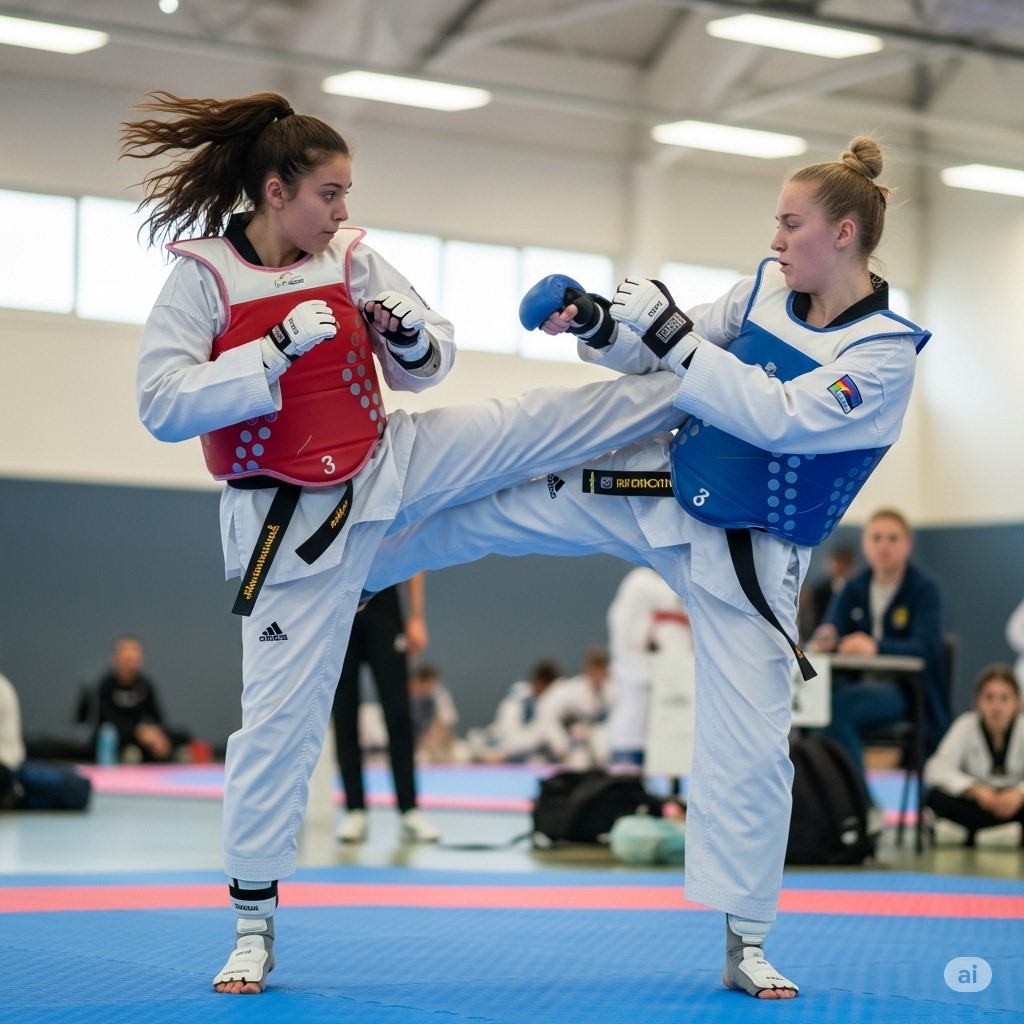
The Dynamic World of Taekwondo: A Deep Dive Into the Global Martial Art
Taekwondo is a sport, a martial art, and a way of life. Rooted in ancient Korean traditions, it has evolved into a modern competitive discipline. Practiced by millions across continents, Taekwondo instills discipline, strength, and focus. It appeals to youth, adults, and professional athletes alike. In this blog post, we will explore the history, global reach, amateur and professional scenes, social and political influence, and rules of Taekwondo.
The Origins and History of Taekwondo
Taekwondo’s roots date back over 2,000 years. In ancient Korea, martial arts were part of military training and spiritual development. The earliest forms can be traced to “Taekkyeon” and “Subak,” practiced during the Three Kingdoms period (57 BC–668 AD). These techniques emphasized kicks, strikes, and fluid movement.
During the Silla Dynasty, the elite Hwarang warriors trained in martial arts to develop character and combat skills. They combined physical discipline with Confucian philosophy. This helped shape the foundational principles of modern Taekwondo.
Following centuries of foreign influence, especially during Japanese occupation (1910–1945), Korean martial arts began to unify. Masters of various schools collaborated to create a national martial art. In 1955, the name “Taekwondo” was officially adopted. The term means “the way of the foot and hand.”
General Choi Hong Hi is considered the founder of modern Taekwondo. He played a key role in codifying its techniques and promoting it internationally. In 1973, the World Taekwondo Federation (now World Taekwondo or WT) was established in Seoul. This organization helped standardize rules and expand the sport globally.
Global Popularity of Taekwondo
Taekwondo is now practiced in over 200 countries. It is one of the most widely recognized martial arts in the world. Its inclusion in the Olympics in 2000 gave it a tremendous boost in visibility and legitimacy. Athletes from every continent now compete on international stages.
South Korea remains the spiritual and administrative home of the sport. However, countries like the United States, Iran, Mexico, Turkey, and Russia have emerged as powerhouses. In Africa, nations such as Egypt and Côte d’Ivoire produce elite-level competitors.
Federations across Europe and Asia run major tournaments year-round. National championships feed into regional and global events. As a result, fans from different cultures embrace the sport, creating a strong, interconnected community.
The rise of international streaming platforms has helped increase its exposure. Highlight reels, Olympic coverage, and viral sparring clips attract new audiences. Social media has also played a pivotal role in Taekwondo’s digital expansion.
Youth and School-Level Taekwondo
Taekwondo appeals strongly to young people. Its emphasis on discipline, respect, and goal-setting makes it ideal for school programs. Children as young as four can begin practicing at dojangs (training centers).
In many countries, Taekwondo is integrated into school curriculums. South Korea, in particular, includes it as a mandatory part of physical education. The sport teaches focus and self-control, often improving academic performance.
Local dojangs hold belt tests and host friendly tournaments. These events promote camaraderie and allow students to experience competition early. As students progress through belts, they learn perseverance and accountability.
Amateur circuits are robust. Regional, national, and international youth competitions provide structure and motivation. Organizations like World Taekwondo and the International Taekwondo Federation support youth development programs.
Taekwondo’s affordability also makes it accessible. Uniforms and training fees are usually manageable. Community programs and nonprofit initiatives make it even more inclusive.
Professional Taekwondo Leagues
Professional Taekwondo is still developing compared to sports like MMA or boxing. However, several leagues and tournaments have gained traction. The World Taekwondo Grand Prix Series showcases the best athletes in Olympic-style sparring. These high-level events feature state-of-the-art scoring systems and global competitors.
The World Taekwondo Championships occur biennially. They attract the sport’s top talent and offer ranking points that influence Olympic qualification. Athletes represent their nations and often become national icons.
Another significant development is the rise of commercial leagues. In South Korea, the Taekwondo Promotion Foundation supports televised events and team leagues. These professional setups bring fan engagement and media coverage.
Efforts to launch professional Taekwondo leagues in other regions are ongoing. In the United States and Europe, investors and former athletes are exploring sustainable models. The goal is to create franchises, regular seasons, and wider audiences.
Demonstration teams also play a role. Groups like the Kukkiwon Demo Team tour globally, performing acrobatic routines and engaging fans. Though not competitive, these events spread awareness and generate excitement.
Taekwondo’s Political and Social Significance
Beyond sport, Taekwondo holds deep cultural meaning. It reflects Korean heritage and promotes values like courtesy, integrity, perseverance, and self-control. These tenets form the backbone of Taekwondo training.
South Korea uses Taekwondo as a soft-power tool. Through global education programs and embassy-sponsored classes, it fosters diplomatic goodwill. Nations with diplomatic ties to Korea often host Korean instructors to lead training.
The sport has also bridged political divides. A historic moment occurred at the 2018 Winter Olympics when North and South Korean athletes marched under a unified flag. Joint Taekwondo demonstrations symbolized the potential for unity.
Socially, Taekwondo offers empowerment. Programs for underprivileged youth, refugees, and people with disabilities thrive around the world. These initiatives use martial arts to build confidence and life skills.
Female participation continues to rise. Instructors and champions are increasingly women, changing perceptions and expanding opportunities. The sport’s structure supports inclusion without sacrificing intensity.
Taekwondo contributes to peace-building. UNESCO and other NGOs have endorsed martial arts as tools for conflict resolution. In conflict-prone regions, training promotes discipline, dialogue, and cooperation.
The Rules and Structure of Taekwondo
It follows a structured set of rules depending on the governing body. World Taekwondo oversees Olympic-style competition. This format emphasizes full-contact sparring with points awarded for precision and technique.
A match consists of three two-minute rounds with a one-minute break in between. Competitors wear protective gear, including headgear, chest protectors, gloves, and shin guards.
Points are scored as follows:
- One point for a basic punch to the torso.
- Two points for a standard kick to the torso.
- Three points for a turning kick to the torso.
- Three points for a kick to the head.
- Four points for a turning kick to the head.
Electronic sensors in the gear help ensure fair scoring. Judges also watch for infractions and award penalties.
Fouls include grabbing, pushing, hitting below the waist, or falling intentionally. Repeated violations can lead to point deductions or disqualification.
Matches end with the highest score or a knockout. In the case of a tie, a sudden-death round (golden point) decides the winner.
Poomsae, or patterns, are another aspect of the sport. These are prearranged sequences of movements performed solo. They showcase precision, balance, and technique. Poomsae competitions judge based on accuracy, speed, and expression.
Belt ranks range from white (beginner) to black (expert). Advancement requires both physical testing and understanding of Taekwondo philosophy.
Conclusion
Taekwondo represents more than just physical combat. It is a vehicle for personal growth, cultural exchange, and global unity. With deep historical roots and a dynamic future, the sport continues to captivate people worldwide.
From schools to Olympic arenas, Taekwondo empowers individuals and builds communities. Its rules, structure, and values make it both accessible and challenging. As professional leagues grow and international interest deepens, the future of Taekwondo looks brighter than ever.
Whether practiced for fitness, competition, or self-discipline, Taekwondo remains a powerful force in sports and society. Its influence stretches across borders, bridging cultures and generations alike.




